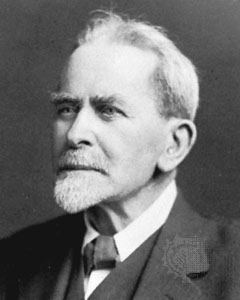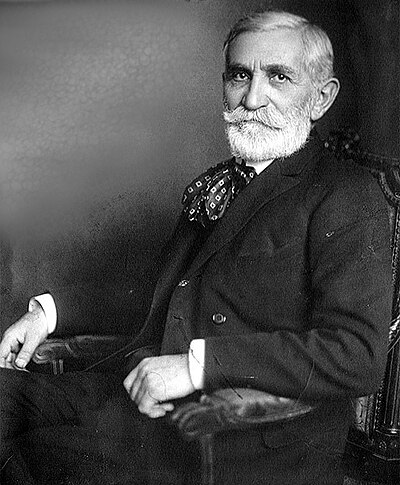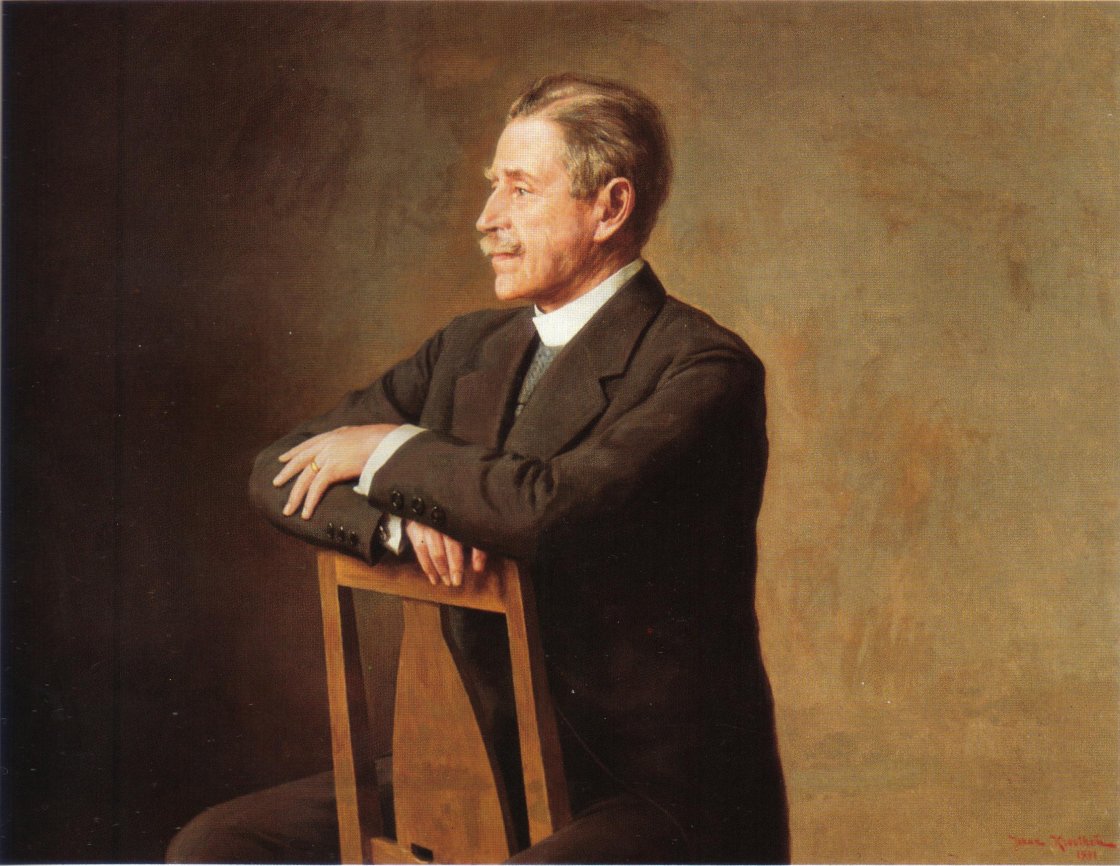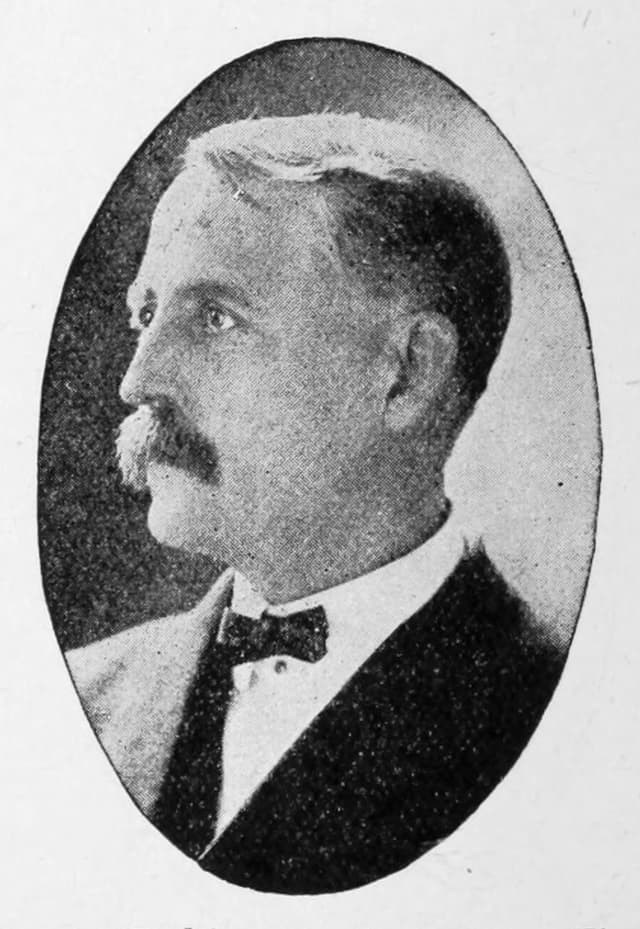
Doane Robinson
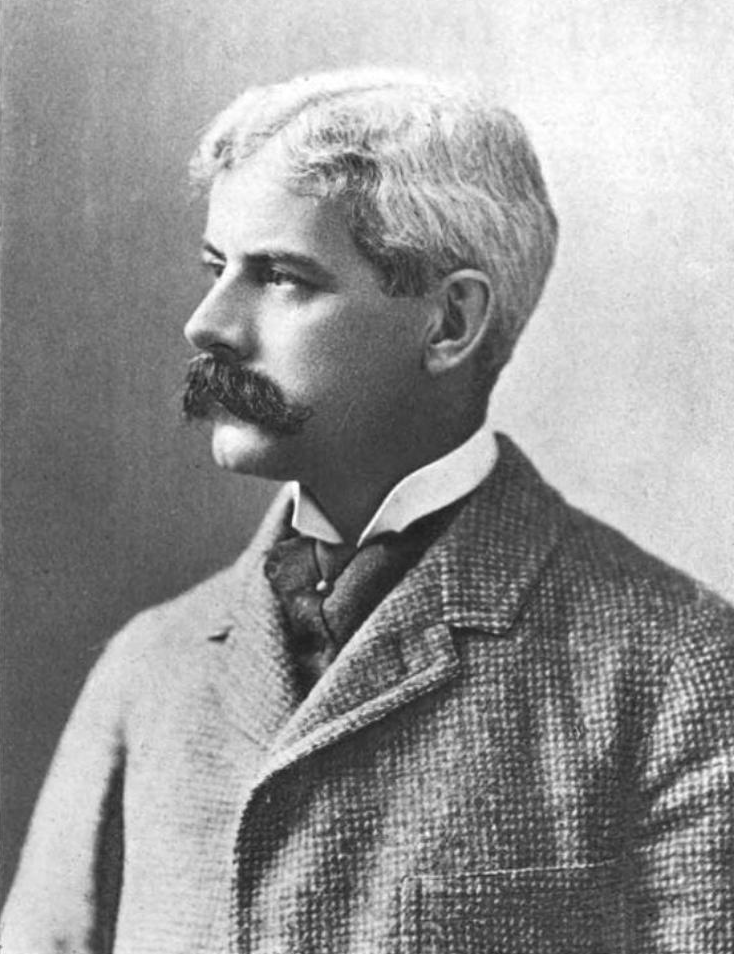
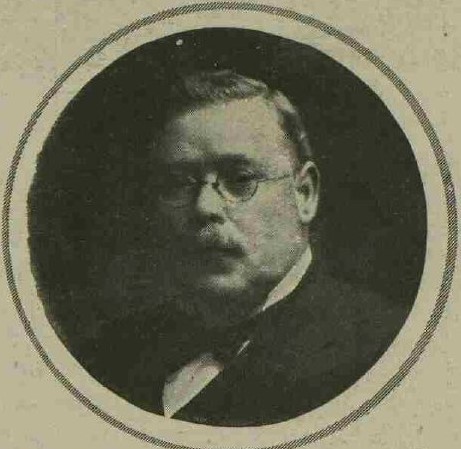
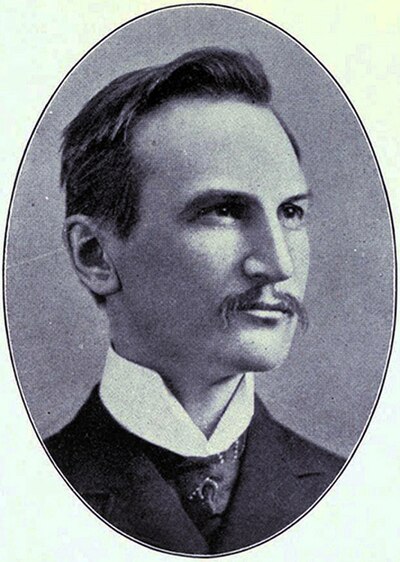
Doane Robinson was an influential American historian and the state historian of South Dakota, best remembered for his visionary concept of the Mount Rushmore National Memorial. Robinson believed that a monumental sculpture would not only celebrate notable figures from South Dakota's history but also serve as a catalyst for tourism in the region. He proposed a bill to the South Dakota Legislature seeking funding to scout a location for this ambitious project, initially suggesting the Needles area of the Black Hills, renowned for its striking granite formations. Although his funding request was denied, Robinson's determination and foresight laid the groundwork for what would eventually become one of the most iconic landmarks in the United States. Robinson's legacy extends beyond Mount Rushmore; he played a pivotal role in promoting South Dakota's history and culture through his writings and advocacy. His efforts in the early 20th century helped shape the state's historical narrative and fostered a sense of pride among its residents. While he may not have lived to see the completion of the monument, Robinson's contributions to the state's heritage and his role in the conception of Mount Rushmore have solidified his place in American history as a key figure in the preservation and celebration of regional identity.
Famous Quotes
View all 2 quotes“There was no reason for Doane to tie a ribbon on Marcelle's wrist, and that was why she laughed when he did it, and loved him for it.””
“It could be that the wildest, strangest things in the Bible were the places where it touched earth. Doane said once that he saw a cyclone cross a river. It took the water in its path up into itself and crossed on dry ground, and it was just as white as a cloud, white as snow. Something like that would only last for a minute, but it showed you what kind of thing can happen. It would shed that water and take up leaves and branches, cats and dogs, cows if it wanted to, grown men, and it would change everything they thought they knew.””