What would you like to read?Search books, authors, genres, shelves, users...
Search books, authors, genres, shelves, users...Search books, authors, genres, shelves, users...

What would you like to read?Search books, authors, genres, shelves, users...
Search books, authors, genres, shelves, users...Search books, authors, genres, shelves, users...
7 books
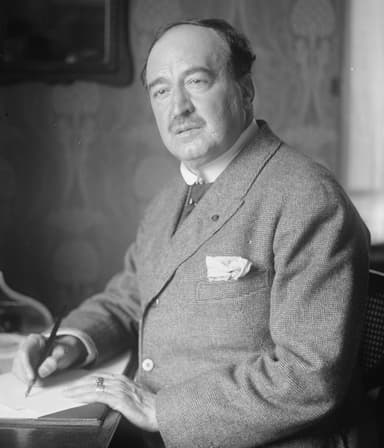
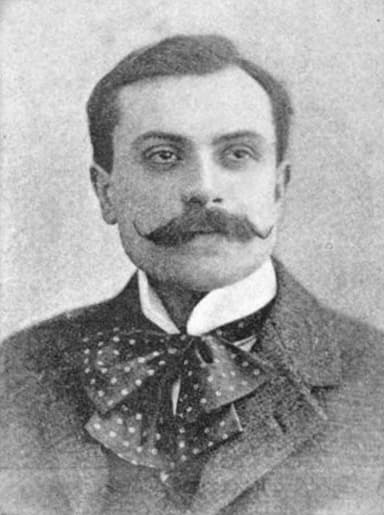
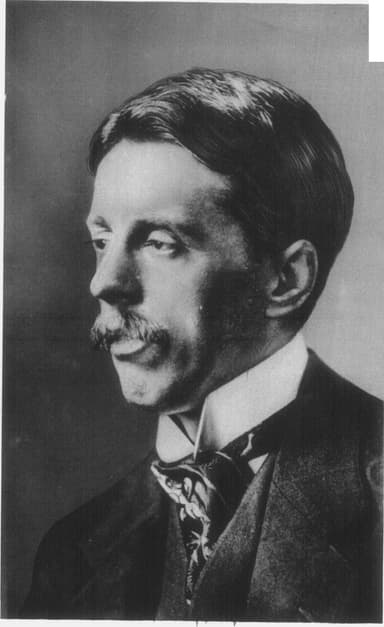
Dmitry Sergeyevich Merezhkovsky (Russian: Дми́трий Серге́евич Мережко́вский, IPA: [ˈdmʲitrʲɪj sʲɪrˈɡʲejɪvʲɪtɕ mʲɪrʲɪˈʂkofskʲɪj]; 14 August [O.S. 2 August] 1865 – 9 December 1941) was a Russian novelist, poet, religious thinker, and literary critic. A seminal figure of the Silver Age of Russian Poetry, regarded[by whom?] as a co-founder of the Symbolist movement, Merezhkovsky – with his wife, the poet Zinaida Gippius – was twice forced into political exile. During his second exile (1918–1941) he continued publishing successful novels and gained recognition[by whom?] as a critic of the Soviet Union. Known both as a self-styled religious prophet with his own slant on apocalyptic Christianity, and as the author of philosophical historical novels which combined fervent idealism with literary innovation, Merezhkovsky became a nine-time nominee for the Nobel Prize in Literature, which he came closest to winning in 1933. However, due to contested claims[dubious – discuss] that he expressed regard for Fascism as a lesser evil than Communism during the outbreak of war between Germany and the USSR shortly prior to his death, his work largely fell into neglect after World War II