
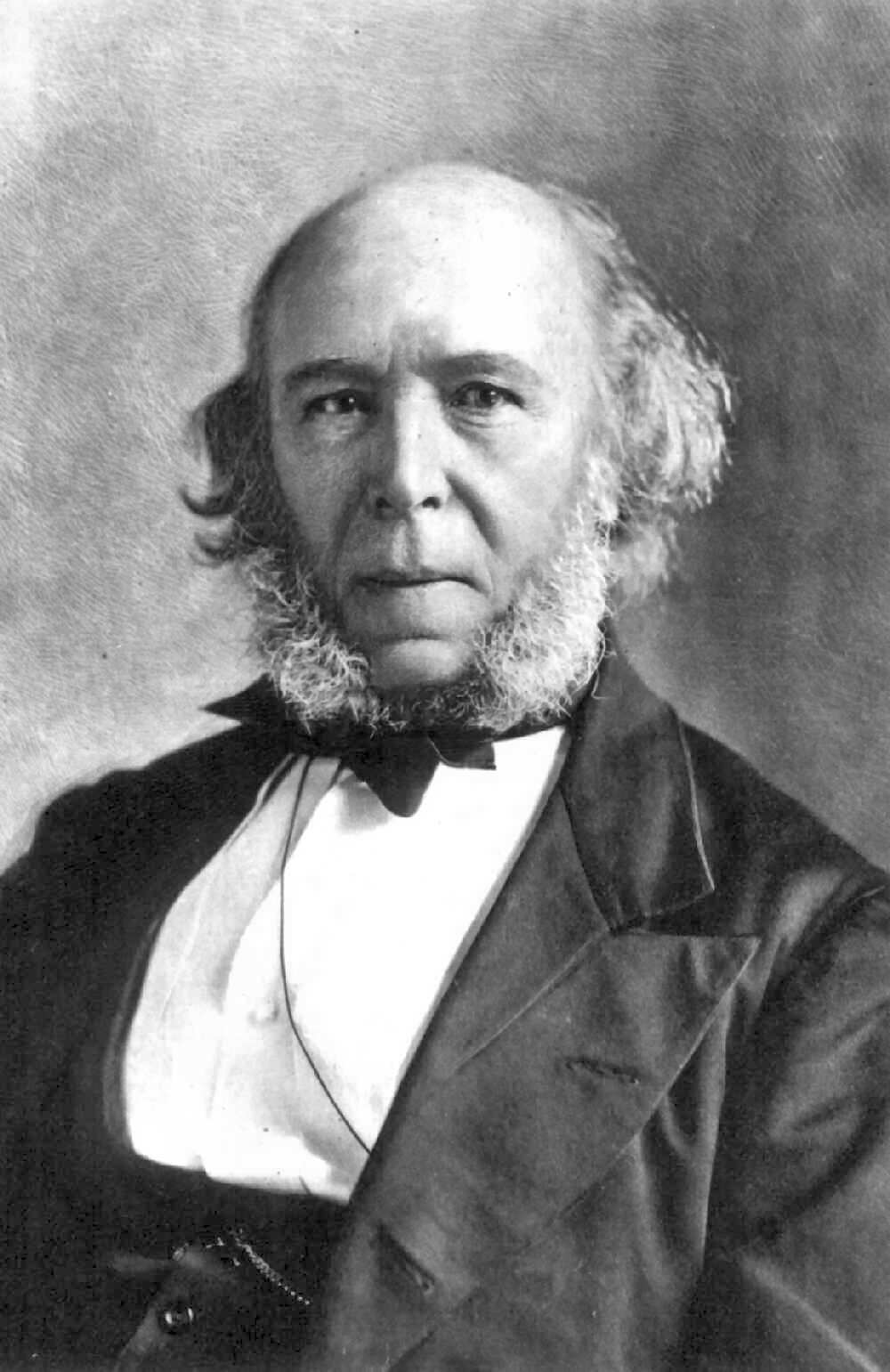
Daniel Bernoulli
Daniel Bernoulli was a Swiss mathematician and physicist, renowned for his significant contributions to fluid mechanics and probability theory. Born into the illustrious Bernoulli family in Basel, he was part of a lineage that produced several prominent mathematicians. His most notable achievement, Bernoulli's principle, elucidated the relationship between the speed of a fluid and its pressure, laying foundational concepts that would later influence the design of carburetors and airplane wings. This principle not only advanced the field of mechanics but also showcased the practical applications of mathematical theories in technology. In addition to his work in fluid dynamics, Bernoulli made substantial strides in the realm of probability and statistics, helping to establish these fields as essential components of mathematical study. His publication, "Hydrodynamica," presented groundbreaking ideas that bridged the gap between theoretical mathematics and real-world applications. Bernoulli's legacy is marked by his ability to apply mathematical concepts to solve complex physical problems, earning him a lasting place in the history of science and mathematics. His work continues to be a cornerstone in engineering and physics, influencing generations of scientists and mathematicians.
Famous Quotes
View all 3 quotes“Nature always tends to act in the simplest way.”
“All birds need to fly are the right-shaped wings, the right pressure and the right angle.”
“There is no philosophy which is not founded upon knowledge of the phenomena, but to get any profit from this knowledge it is absolutely necessary to be a mathematician.”
Books from the author






Link to this page
Add a free, dofollow link to Lex on your blog, forum, syllabus, or reading list.

<a href="https://lex-books.com/author/daniel-bernoulli"><img src="https://lex-books.com/badges/read-on-lex.svg" alt="Daniel Bernoulli on Lex" width="160" height="40"></a>[](https://lex-books.com/author/daniel-bernoulli)[url=https://lex-books.com/author/daniel-bernoulli][img]https://lex-books.com/badges/read-on-lex.svg[/img][/url]Daniel Bernoulli on Lex: https://lex-books.com/author/daniel-bernoulli