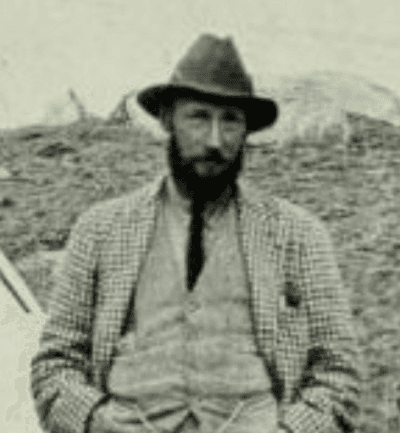
Charles Howard-Bury
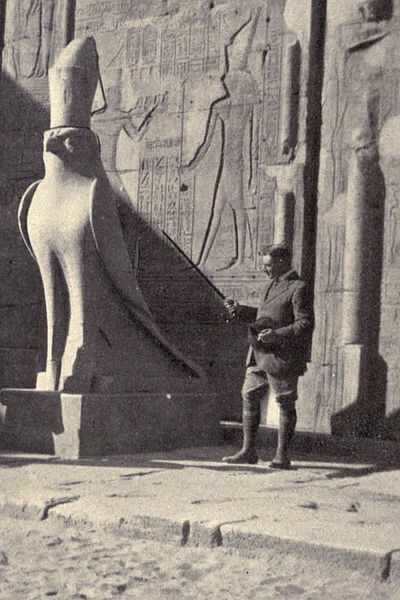
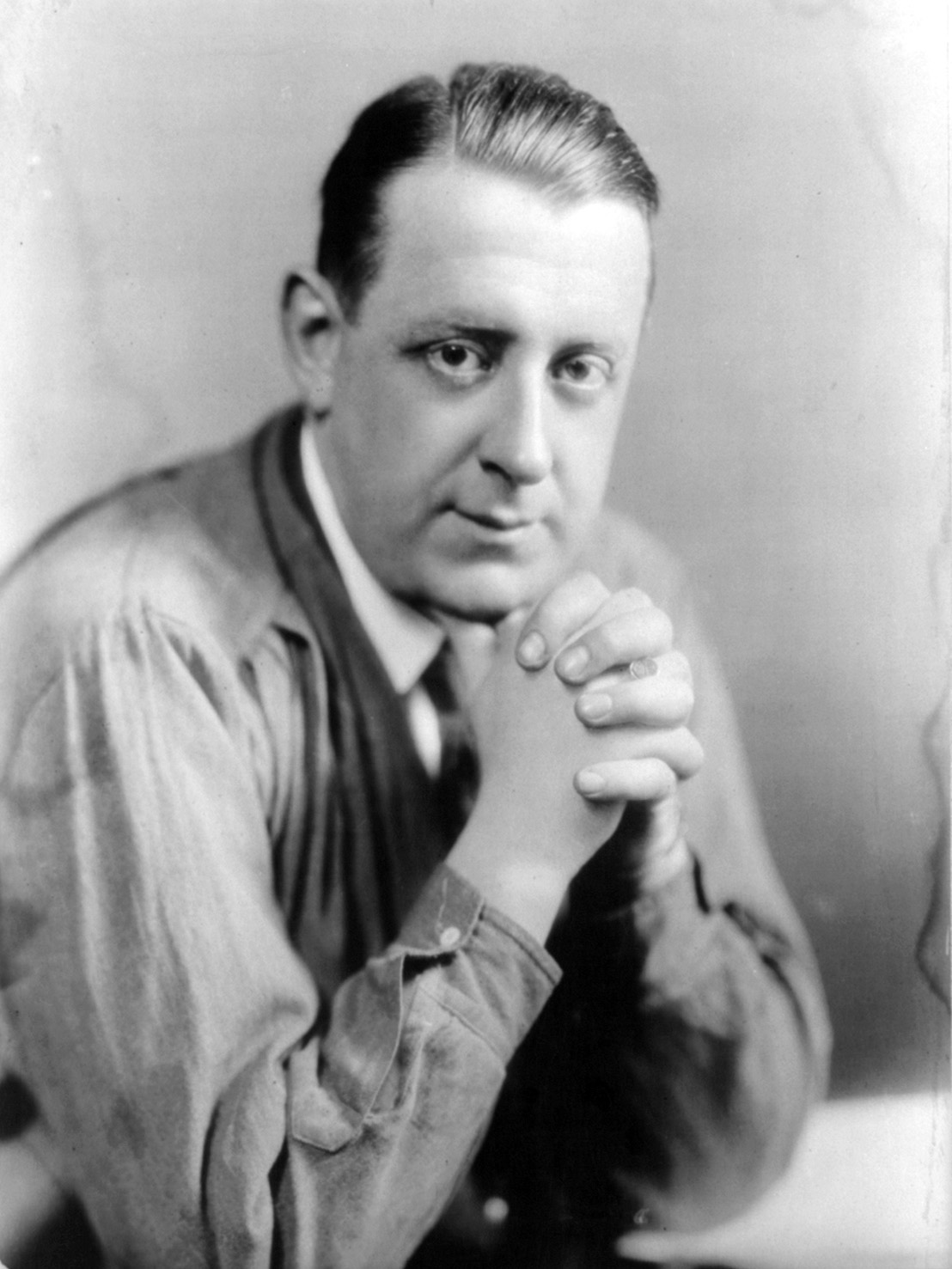
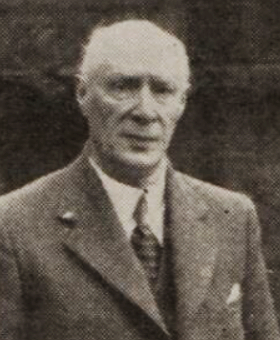
Lieutenant-Colonel Charles Howard-Bury was a multifaceted British soldier, explorer, botanist, and politician known for his significant contributions to exploration and natural history. He gained prominence as a member of the 1921 British expedition that first successfully ascended the daunting peak of Mount Everest, a feat that solidified his place in the annals of mountaineering history. His account of the expedition, 'Mount Everest: The Reconnaissance, 1921,' not only documented the challenges faced by the climbers but also provided valuable insights into the geography and culture of the region, showcasing his keen observational skills and passion for botany. In addition to his explorations, Howard-Bury's work in botany was notable; he collected numerous plant specimens during his travels, contributing to the scientific understanding of Himalayan flora. His dual career as a soldier and politician further highlighted his diverse interests and capabilities. Throughout his life, Howard-Bury exemplified the spirit of adventure and inquiry, leaving a legacy that influenced both the fields of exploration and natural sciences. His contributions continue to be recognized in the context of early 20th-century exploration and the study of high-altitude ecosystems.
Books from the author


Link to this page
Add a free, dofollow link to Lex on your blog, forum, syllabus, or reading list.

<a href="https://lex-books.com/author/charles-howard-bury"><img src="https://lex-books.com/badges/read-on-lex.svg" alt="Charles Howard-Bury on Lex" width="160" height="40"></a>[](https://lex-books.com/author/charles-howard-bury)[url=https://lex-books.com/author/charles-howard-bury][img]https://lex-books.com/badges/read-on-lex.svg[/img][/url]Charles Howard-Bury on Lex: https://lex-books.com/author/charles-howard-bury