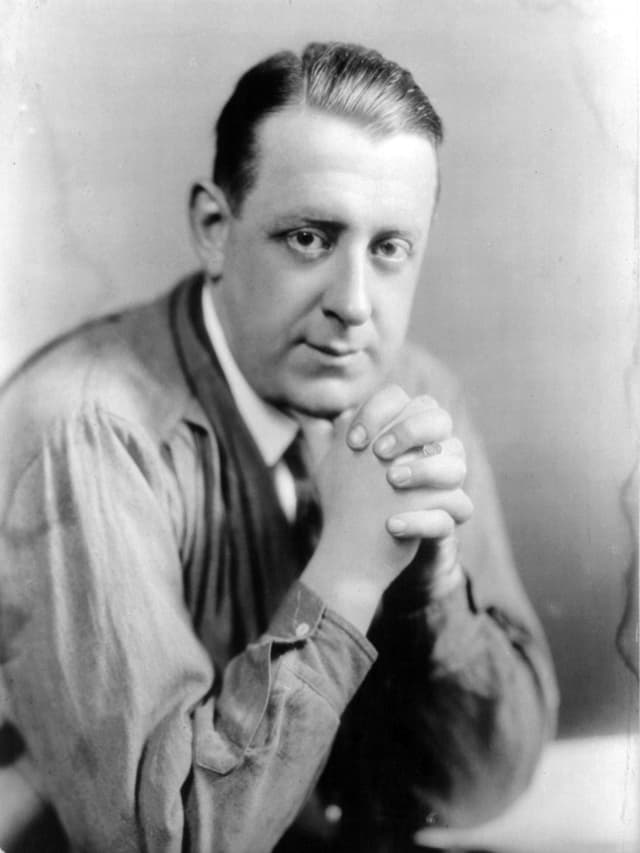
Hendrik Willem Van Loon
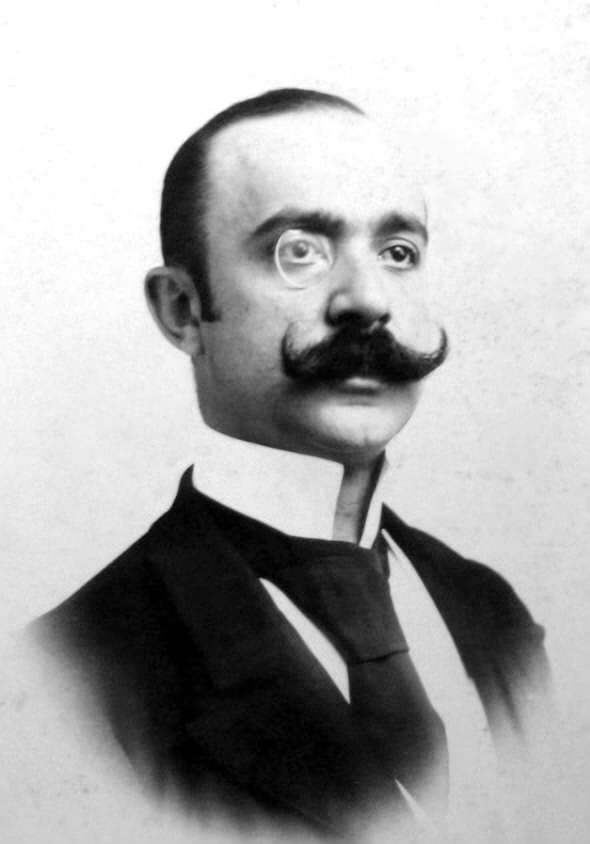
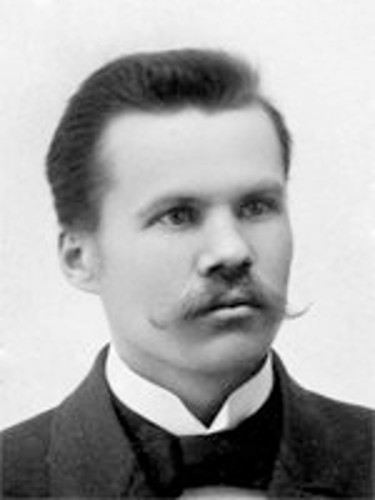
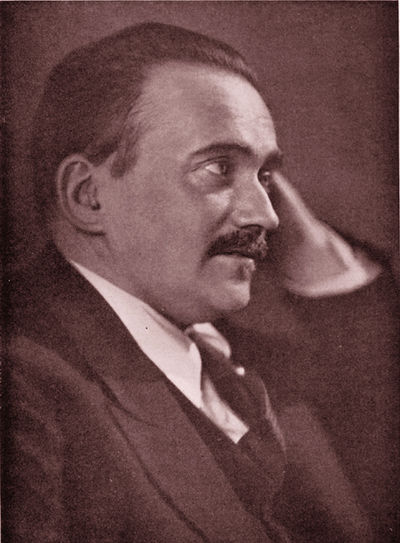
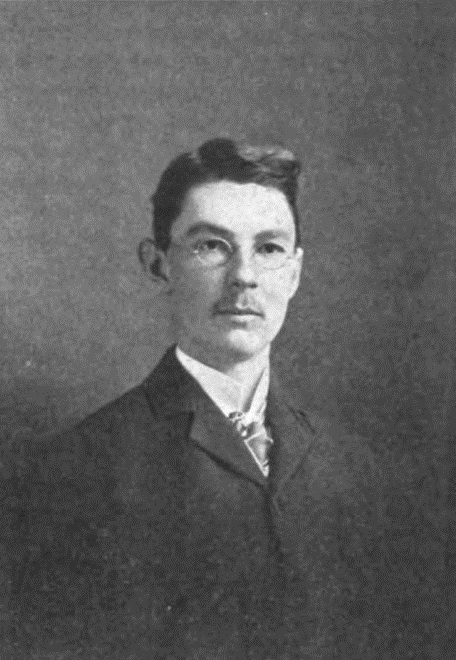
Hendrik Willem van Loon was a Dutch-American historian, journalist, and author known for his engaging children's books that combined history with vivid illustrations. Born in the Netherlands, he emigrated to the United States, where he became a prominent figure in educational literature. His most notable work, 'The Story of Mankind,' published in 1921, was groundbreaking as it presented world history in a narrative form accessible to young readers, earning the first Newbery Medal in 1922. Van Loon's ability to simplify complex historical events and figures made learning enjoyable for children and set a precedent for future educational texts. In addition to 'The Story of Mankind,' van Loon wrote several other influential works, including 'The Arts of Mankind' and 'The Story of the Netherlands.' His unique blend of storytelling and historical accuracy not only captivated young audiences but also contributed significantly to the field of children's literature. Van Loon's legacy endures through his innovative approach to history, inspiring generations of readers and writers to appreciate the past through engaging narratives.
Famous Quotes
View all 3 quotes“Any formal attack on ignorance is bound to fail because the masses are always ready to defend their most precious possession - their ignorance.”
“High in the North in a land called Svithjod there is a mountain. It is a hundred miles long and a hundred miles high and once every thousand years a little bird comes to this mountain to sharpen its beak. When the mountain has thus been worn away a single day of eternity will have passed.”
“On the other hand, when you grow up you will discover that some of the people in this world never passed beyond the stage of the cave-man.”
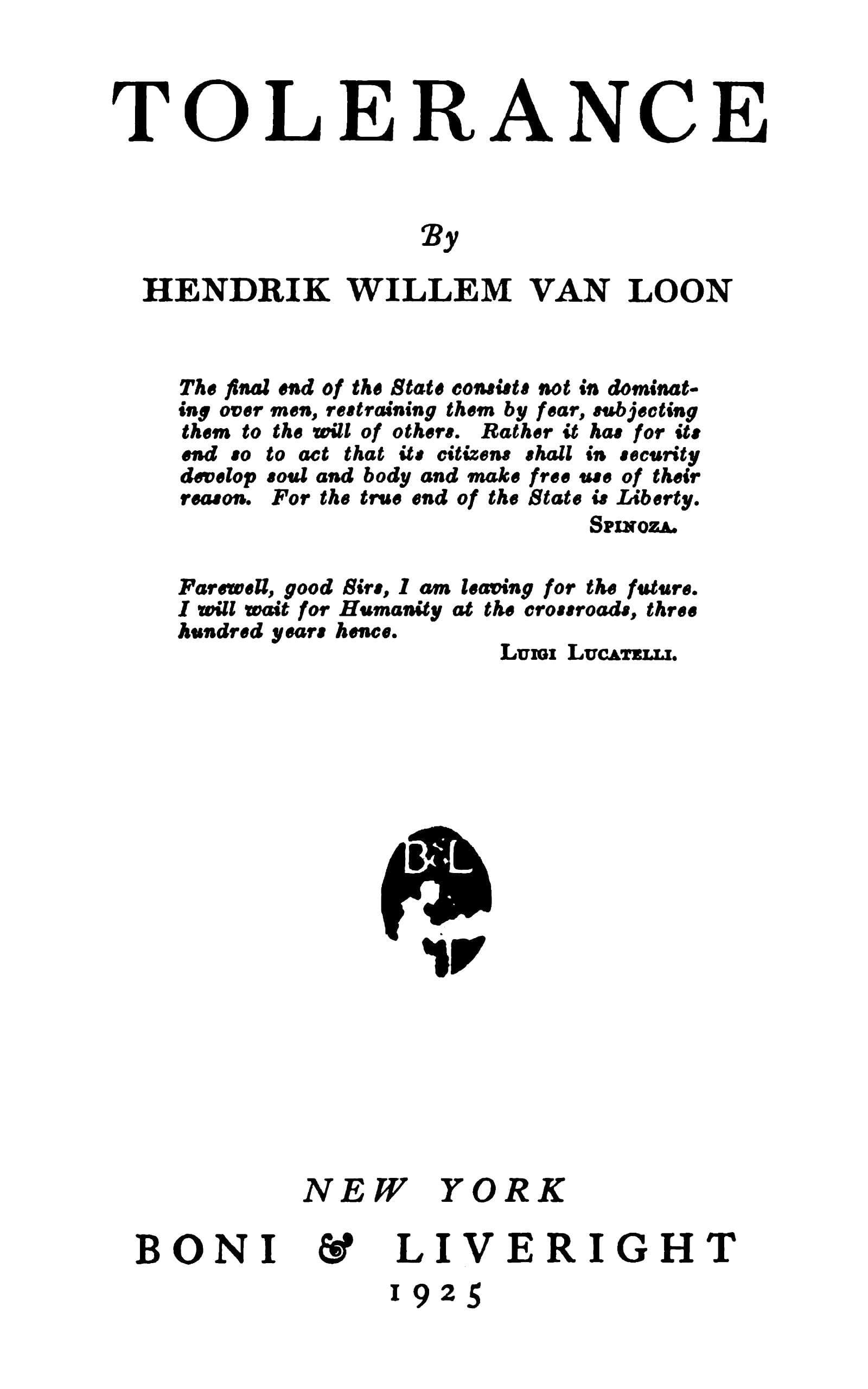
Books from the author





Link to this page
Add a free, dofollow link to Lex on your blog, forum, syllabus, or reading list.

<a href="https://lex-books.com/author/hendrik-willem-van-loon"><img src="https://lex-books.com/badges/read-on-lex.svg" alt="Hendrik Willem Van Loon on Lex" width="160" height="40"></a>[](https://lex-books.com/author/hendrik-willem-van-loon)[url=https://lex-books.com/author/hendrik-willem-van-loon][img]https://lex-books.com/badges/read-on-lex.svg[/img][/url]Hendrik Willem Van Loon on Lex: https://lex-books.com/author/hendrik-willem-van-loon