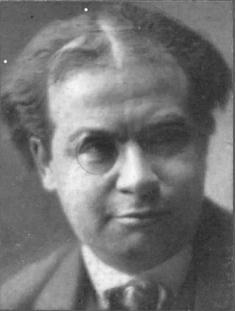
Ernest La Jeunesse
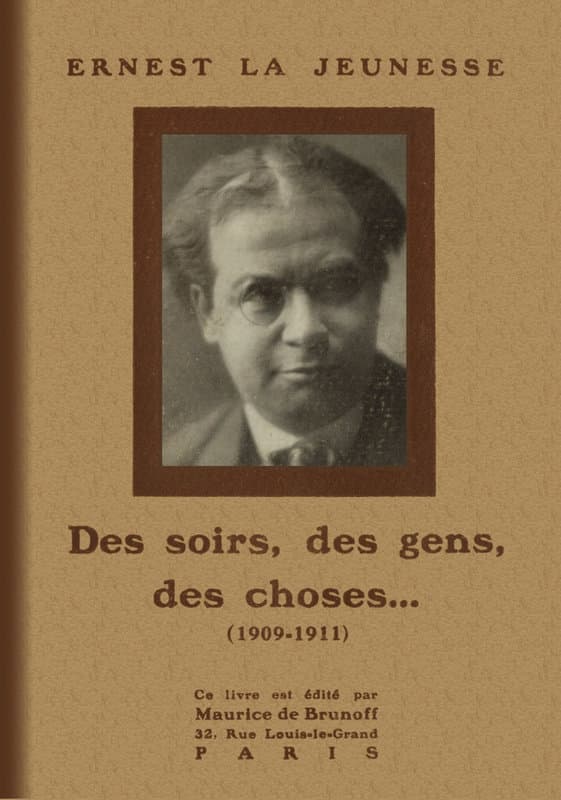
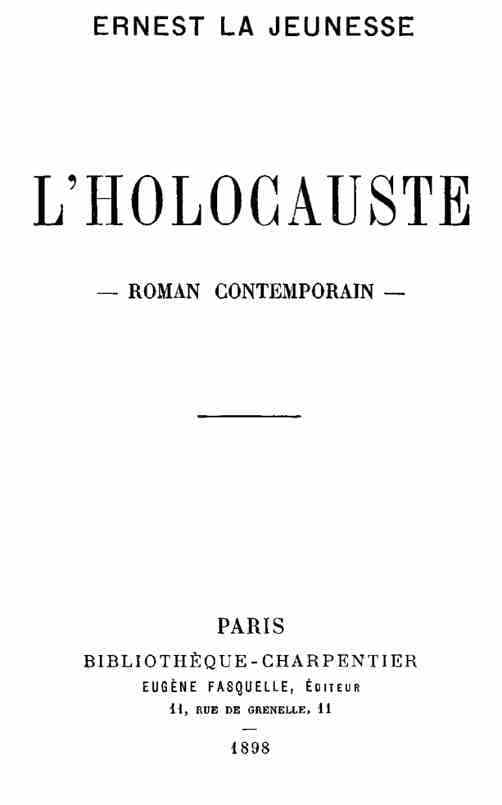
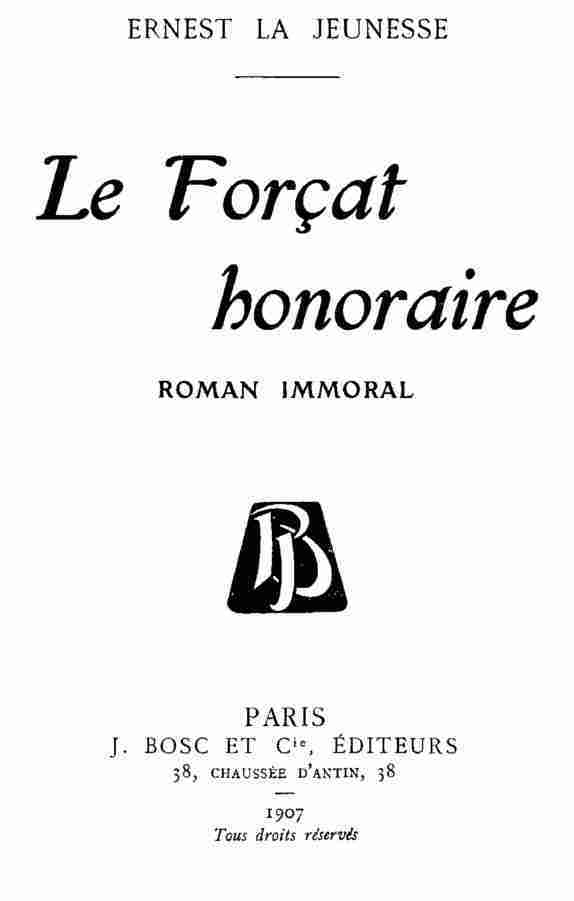
Ernest La Jeunesse was a French novelist and playwright known for his exploration of contemporary themes and social issues in early 20th-century France. His works often delved into the complexities of human relationships and the moral dilemmas faced by individuals in a rapidly changing society. La Jeunesse's writing style was marked by a blend of realism and psychological insight, which allowed him to capture the nuances of his characters' inner lives. Among his notable works, 'Des soirs, des gens, des choses...' stands out as a reflective piece that examines the fabric of everyday life and the connections between people. His novel 'L'Holocauste' is particularly significant for its bold engagement with themes of suffering and redemption, while 'Le Forçat Honoraire' challenges societal norms through its portrayal of moral ambiguity. La Jeunesse's literature not only provides a window into the cultural landscape of his time but also raises questions about ethics and the human condition that remain relevant today. Despite his relatively short life, La Jeunesse's contributions to French literature have earned him a place among the voices that shaped modern narrative forms. His works continue to be studied for their innovative approaches to character development and thematic depth, reflecting the struggles and aspirations of a generation caught between tradition and modernity.
Books from the author


Link to this page
Add a free, dofollow link to Lex on your blog, forum, syllabus, or reading list.

<a href="https://lex-books.com/author/ernest-la-jeunesse"><img src="https://lex-books.com/badges/read-on-lex.svg" alt="Ernest La Jeunesse on Lex" width="160" height="40"></a>[](https://lex-books.com/author/ernest-la-jeunesse)[url=https://lex-books.com/author/ernest-la-jeunesse][img]https://lex-books.com/badges/read-on-lex.svg[/img][/url]Ernest La Jeunesse on Lex: https://lex-books.com/author/ernest-la-jeunesse