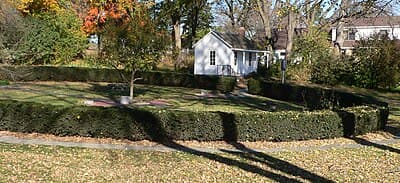
John G. Neihardt
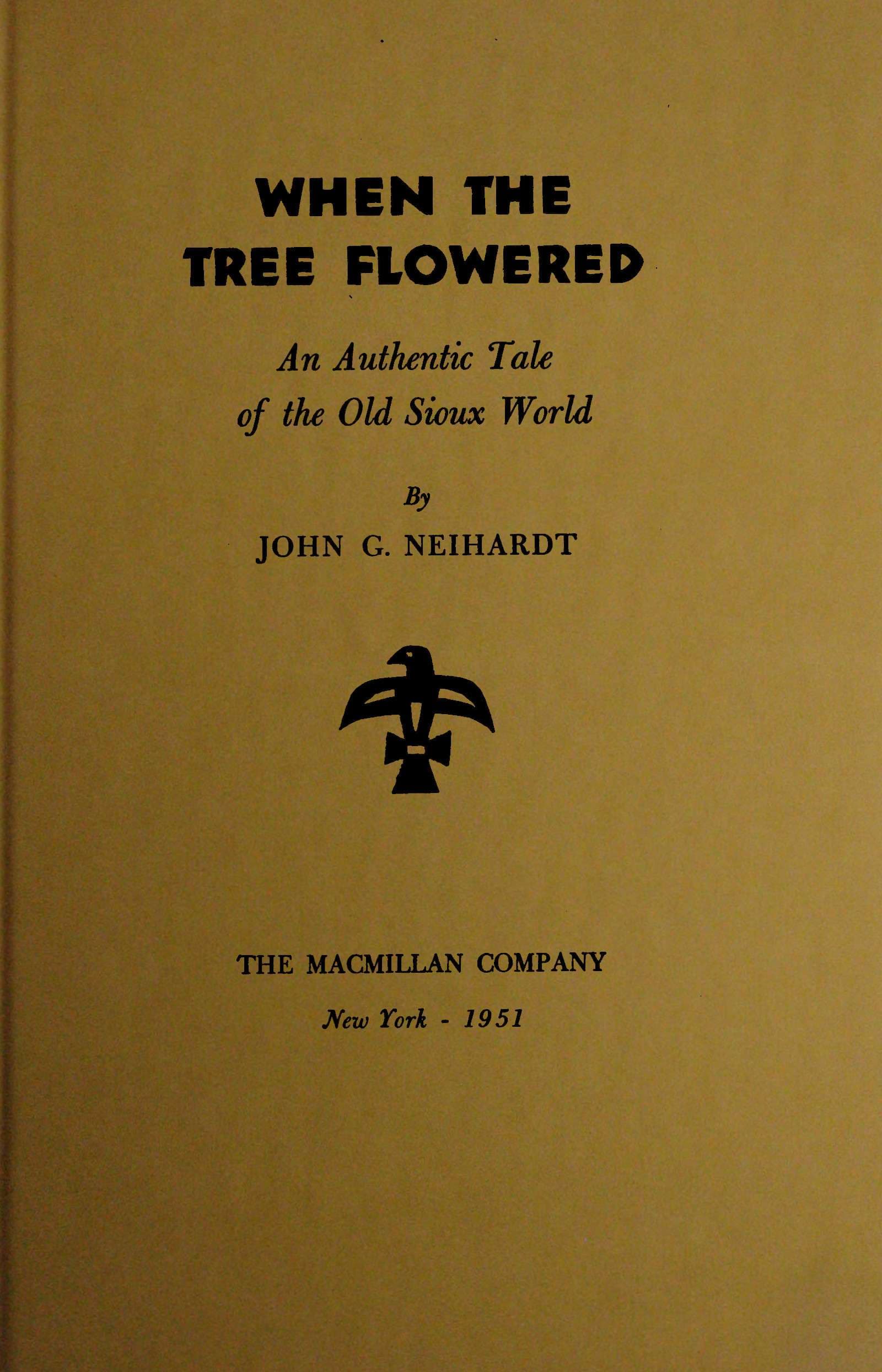
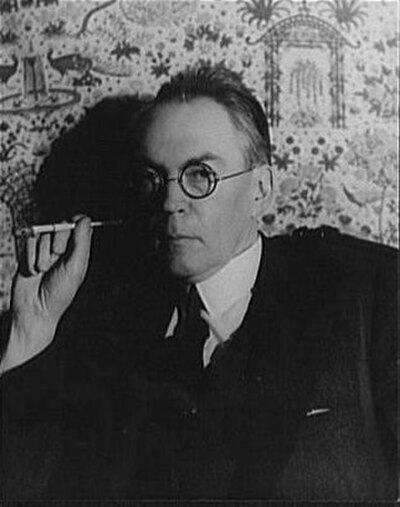
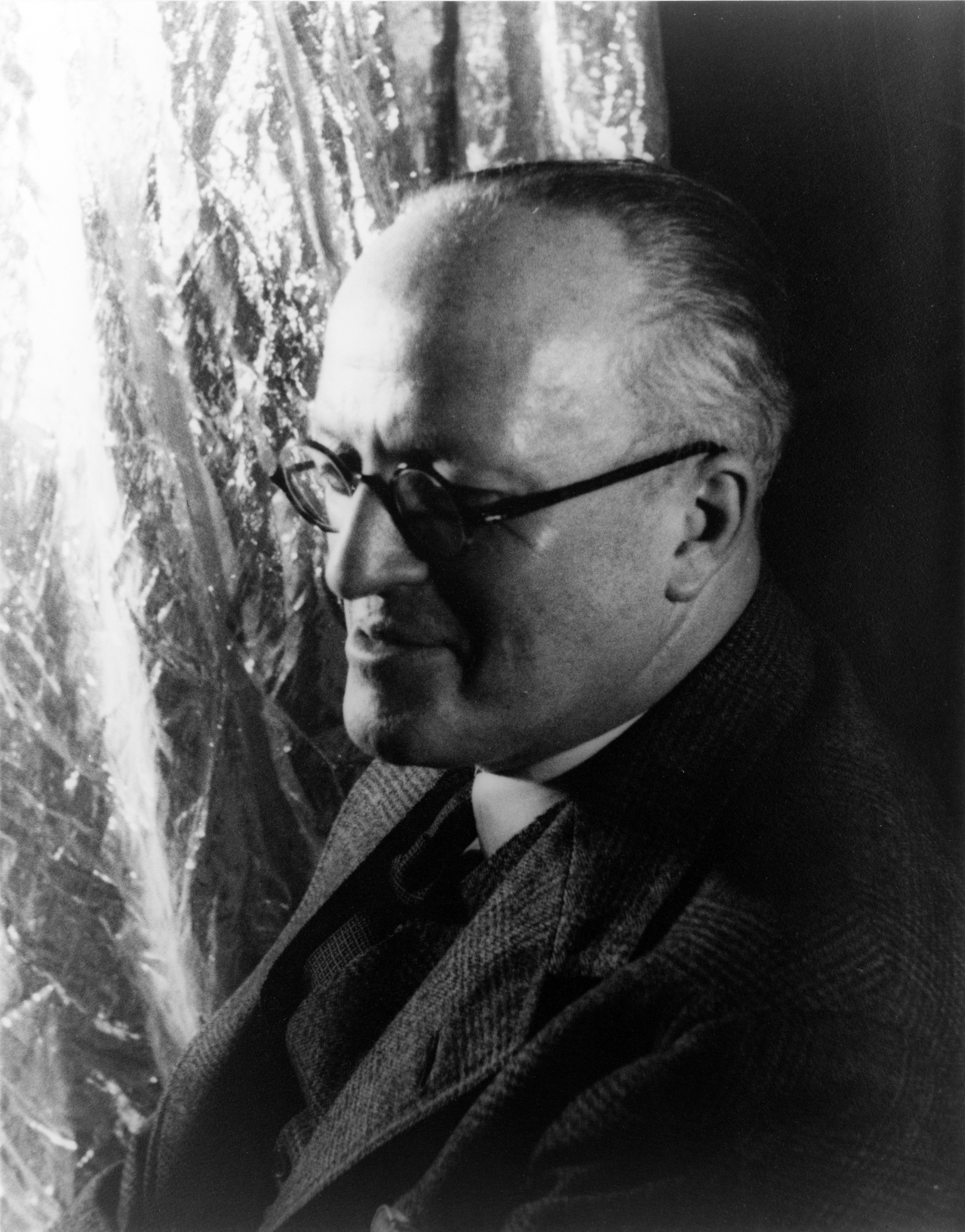
John G. Neihardt was an influential American writer and poet, known for his deep engagement with the cultural narratives of both European-American settlers and Indigenous peoples of the Plains. Born during the final stages of the American settlement of the West, Neihardt developed a keen interest in the complex histories and experiences of those who lived through this transformative period. His most notable work, 'Black Elk Speaks' (1932), presents the spiritual visions of the Lakota medicine man Black Elk, offering a unique perspective on Native American culture and spirituality. This work gained significant attention in the 1960s, coinciding with a growing interest in Indigenous narratives, and has been reprinted multiple times, including a notable annotated edition released in 2008 by the State University of New York. Despite its popularity, 'Black Elk Speaks' has sparked controversy regarding its accuracy and representation of Black Elk's life and beliefs, raising important questions about authorship and cultural interpretation. Neihardt's contributions extend beyond this seminal work, as he also explored themes of history and identity through poetry and prose, establishing himself as a significant figure in American literature. His legacy lies in his ability to bridge cultural divides and bring Indigenous voices to a broader audience, making him a pivotal figure in the understanding of American history and literature.
Famous Quotes
View all 3 quotes“And while I stood there I saw more than I can tell and I understood more than I saw; for I was seeing in a sacred manner the shapes of all things in the spirit, and the shape of all shapes as they must live together like one being.”
“Sometimes dreams are wiser than waking.”
“How could men get fat by being bad and starve by being good? I thought and thought about my vision, and it made me very sad.”
Books from the author


Link to this page
Add a free, dofollow link to Lex on your blog, forum, syllabus, or reading list.

<a href="https://lex-books.com/author/john-g-neihardt"><img src="https://lex-books.com/badges/read-on-lex.svg" alt="John G. Neihardt on Lex" width="160" height="40"></a>[](https://lex-books.com/author/john-g-neihardt)[url=https://lex-books.com/author/john-g-neihardt][img]https://lex-books.com/badges/read-on-lex.svg[/img][/url]John G. Neihardt on Lex: https://lex-books.com/author/john-g-neihardt