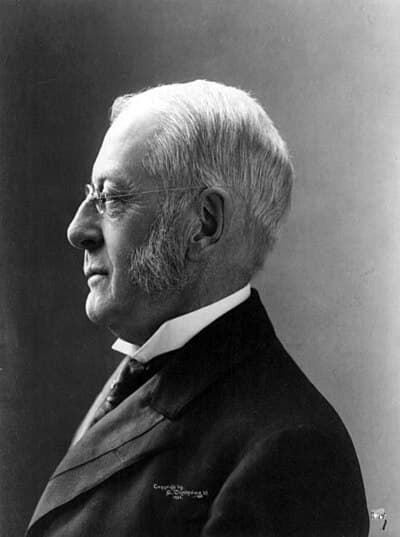
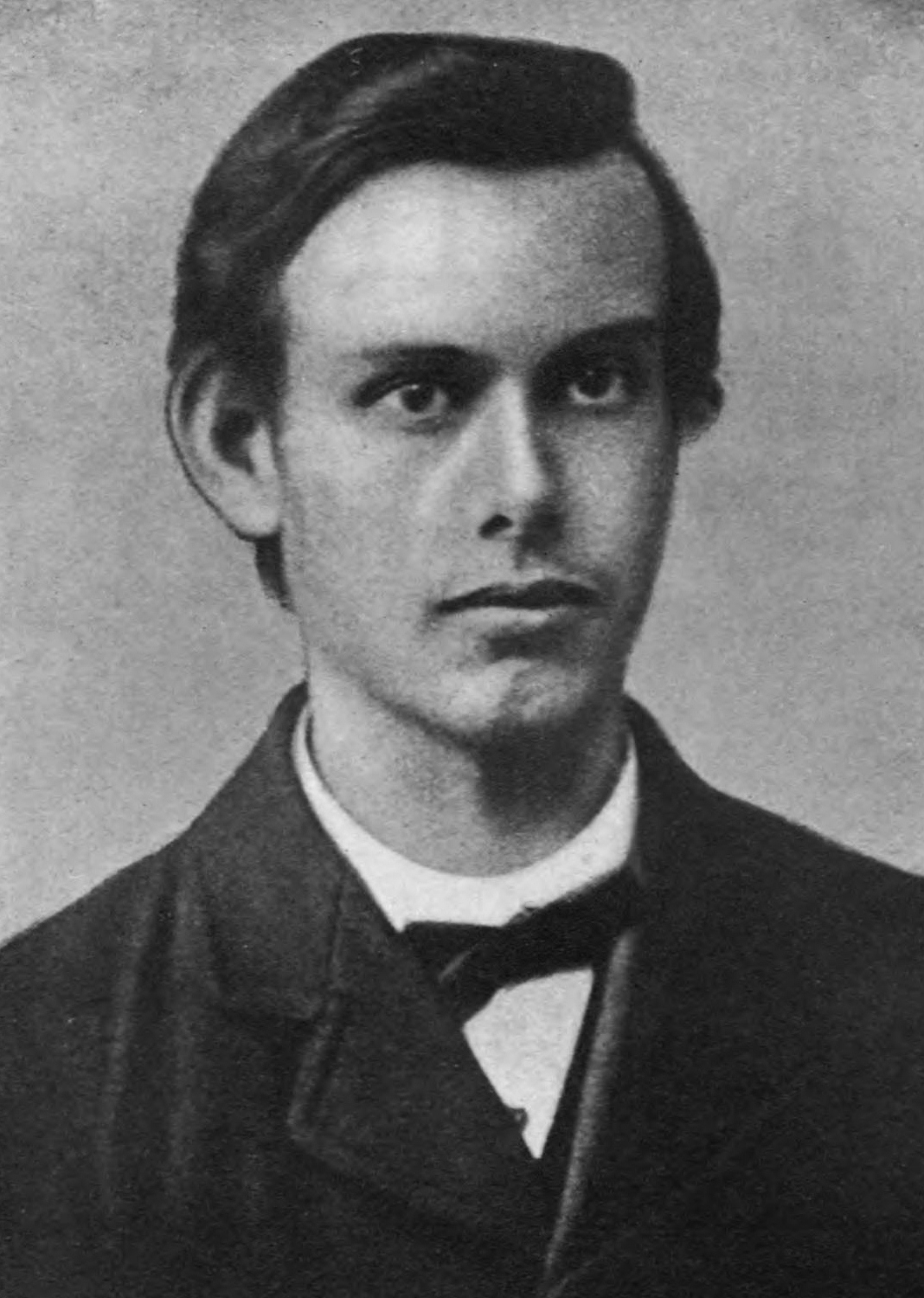
Charles Eliot
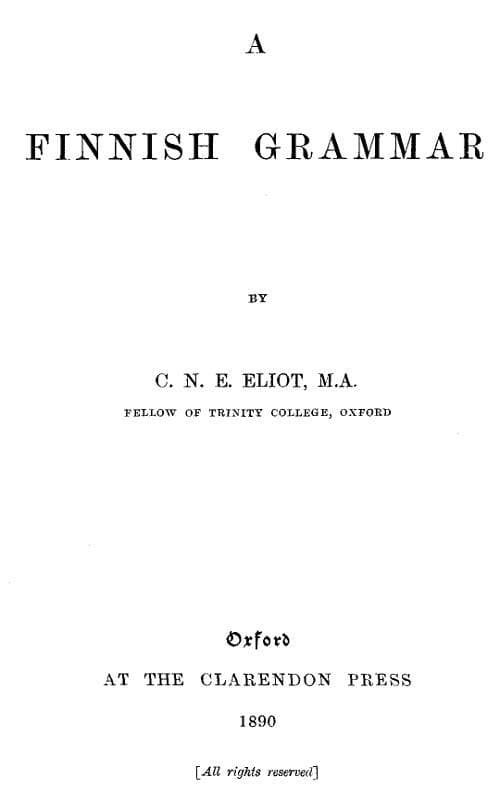
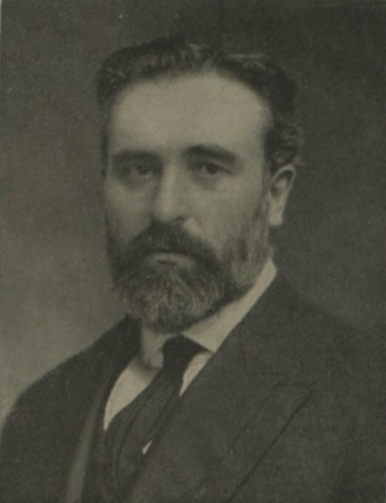
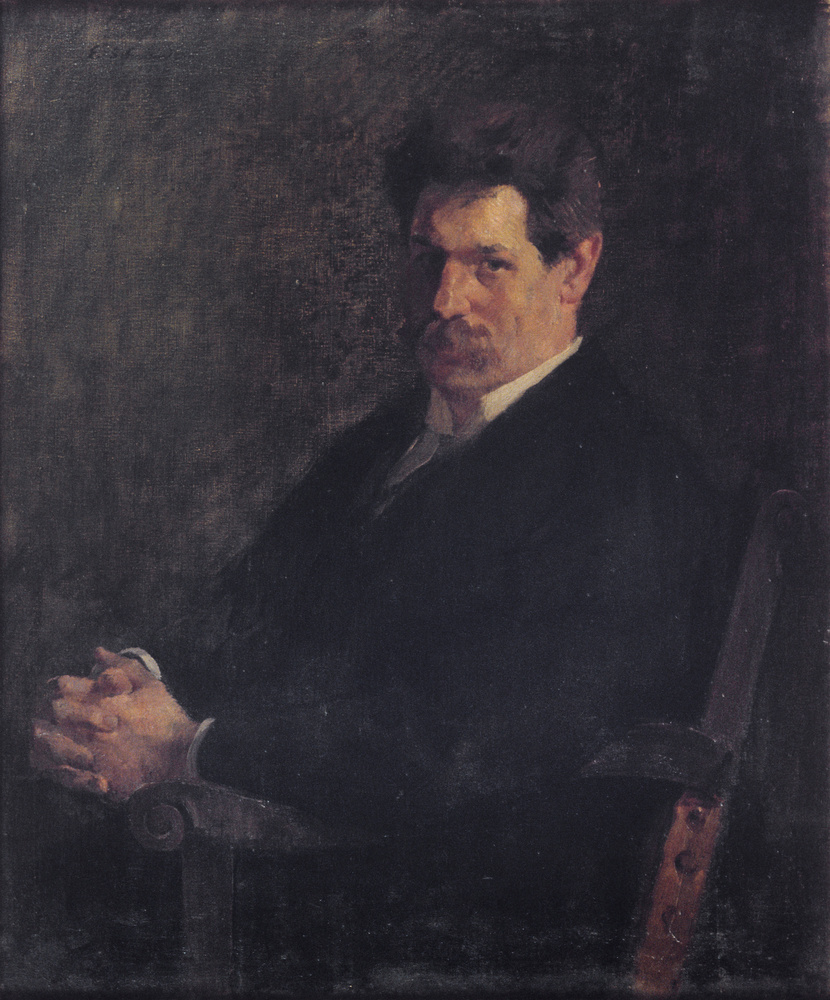
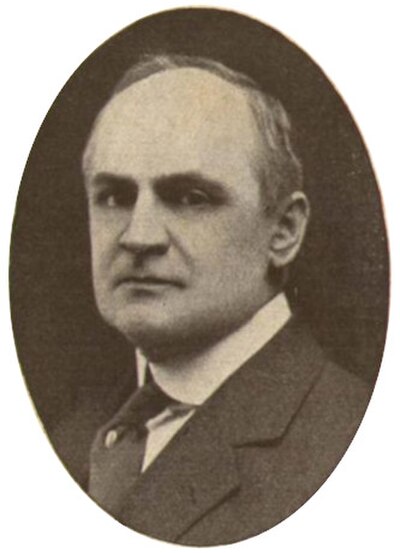
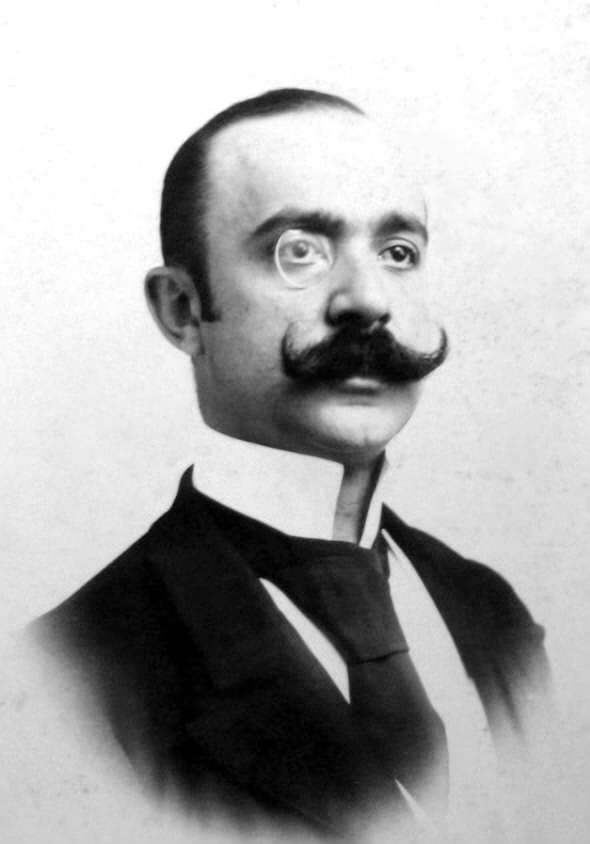
Charles Eliot was an influential American scholar and educator, best known for his comprehensive studies on Eastern religions, particularly Hinduism and Buddhism. His seminal work, 'Hinduism and Buddhism: An Historical Sketch,' published in three volumes, offered a detailed analysis of the historical development, philosophical tenets, and cultural significance of these two major religions. Eliot's approach was notable for its scholarly rigor and accessibility, making complex religious concepts understandable to a Western audience. His writings contributed significantly to the Western understanding of Eastern philosophies and helped bridge cultural divides during a time of growing interest in Asian spiritual traditions. In addition to his work on Eastern religions, Eliot also authored 'A Finnish Grammar,' showcasing his linguistic expertise and interest in the Finnish language. His diverse scholarly contributions reflect a deep commitment to education and cultural exchange. As a prominent figure in the early 20th century, Eliot's legacy lies in his role as a pioneer in the field of comparative religion, influencing both academic discourse and popular perceptions of Hinduism and Buddhism. His works remain valuable resources for students and scholars alike, continuing to inspire curiosity about the complexities of Eastern thought.
Famous Quotes
View all 5 quotes“Books are the quietest and most constant of friends; they are the most accessible and wisest of counselors, and the most patient of teachers.””
“they pulled Ezra through the streets in a wooden cage. Blake was sure of God. Villon was a mugger. Lorca sucked cock. T. S. Eliot worked a teller's cage””
“Just as I do not see how anyone can expect really to understand Kant and Hegel without knowing the German language and without such an understanding of the German mind as can only be acquired in the society of living Germans, so a fortiori I do not see how anyone can understand Confucius without some knowledge of Chinese and a long frequentation of the best Chinese society. I have the highest respect for the Chinese mind and for Chinese civilisation; and I am willing to believe that Chinese civilisation at its highest has graces and excellences which may make Europe seem crude. But I do not believe that I, for one, could ever come to understand it well enough to make Confucius a mainstay.I am led to this conclusion partly by an analogous experience. Two years spent in the study of Sanskrit under Charles Lanman, and a year in the mazes of Patanjali's metaphysics under the guidance of James Woods, left me in a state of enlightened mystification. A good half of the effort of understanding what the Indian philosophers were after and their subtleties make most of the great European philosophers look like schoolboys lay in trying to erase from my mind all the categories and kinds of distinction common to European philosophy from the time of the Greeks. My previous and concomitant study of European philosophy was hardly better than an obstacle. And I came to the conclusion seeing also that the 'influence' of Brahmin and Buddhist thought upon Europe, as in Schopenhauer, Hartmann, and Deussen, had largely been through romantic misunderstanding that my only hope of really penetrating to the heart of that mystery would lie in forgetting how to think and feel as an American or a European: which, for practical as well as sentimental reasons, I did not wish to do””
Books from the author





Link to this page
Add a free, dofollow link to Lex on your blog, forum, syllabus, or reading list.

<a href="https://lex-books.com/author/charles-eliot"><img src="https://lex-books.com/badges/read-on-lex.svg" alt="Charles Eliot on Lex" width="160" height="40"></a>[](https://lex-books.com/author/charles-eliot)[url=https://lex-books.com/author/charles-eliot][img]https://lex-books.com/badges/read-on-lex.svg[/img][/url]Charles Eliot on Lex: https://lex-books.com/author/charles-eliot