Le Temple De Gnide
1725
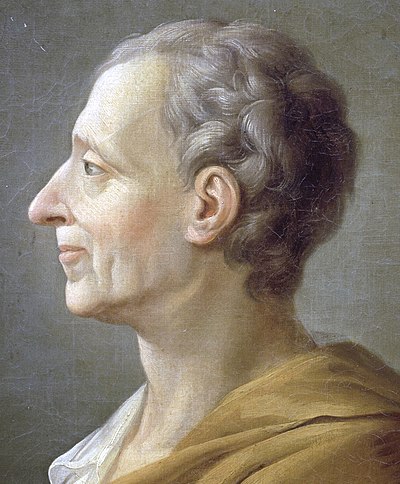
Long before he wrote The Spirit of the Laws, the young Montesquieu (just twenty-six) turned his attention to something more ancient and more dangerous: the temple of Venus at Knidos, where love is not metaphor but physics, not abstraction but presence. This prose poem imagines Aristaeus and Thémire as figures caught in the current of the goddess's attention, their desires not merely human feelings but participants in a cosmic order where beauty demands worship and withholding it is its own kind of sin. Montesquieu writes with the lushness of Rococo, all honeyed descriptions of groves and marble and the 'murmur of waters,' yet beneath the pastoral sweetness lies something genuinely subversive for its era: an unashamed celebration of sensual love as worthy of temples, of desire as neither weakness nor lesson but as the very texture of the divine. The work shows a philosopher still in love with the world before he began dissecting its laws. For readers who want to glimpse the poet beneath the political thinker, or who crave古典世界的感性 dimension of antiquity, this is a small, strange jewel.
Editions
Link to this book
Add a free, dofollow link to Lex on your blog, forum, syllabus, or reading list.

<a href="https://lex-books.com/book/le-temple-de-gnide-3ed00901-b368-4bea-9e8f-bd381969a609"><img src="https://lex-books.com/badges/read-on-lex.svg" alt="Read Le Temple De Gnide by Charles de Secondat, baron de Montesquieu free on Lex" width="160" height="40"></a>[](https://lex-books.com/book/le-temple-de-gnide-3ed00901-b368-4bea-9e8f-bd381969a609)[url=https://lex-books.com/book/le-temple-de-gnide-3ed00901-b368-4bea-9e8f-bd381969a609][img]https://lex-books.com/badges/read-on-lex.svg[/img][/url]Read Le Temple De Gnide by Charles de Secondat, baron de Montesquieu free on Lex: https://lex-books.com/book/le-temple-de-gnide-3ed00901-b368-4bea-9e8f-bd381969a609Cite this book
Reading this edition for a paper or guide? Copy a citation.
Charles de Secondat, baron de Montesquieu. Le Temple De Gnide. Lex, lex-books.com/book/le-temple-de-gnide-3ed00901-b368-4bea-9e8f-bd381969a609.Charles de Secondat, B. D. M. (1725). Le Temple De Gnide. Lex. https://lex-books.com/book/le-temple-de-gnide-3ed00901-b368-4bea-9e8f-bd381969a609Charles de Secondat, baron de Montesquieu. Le Temple De Gnide. Lex. https://lex-books.com/book/le-temple-de-gnide-3ed00901-b368-4bea-9e8f-bd381969a609.