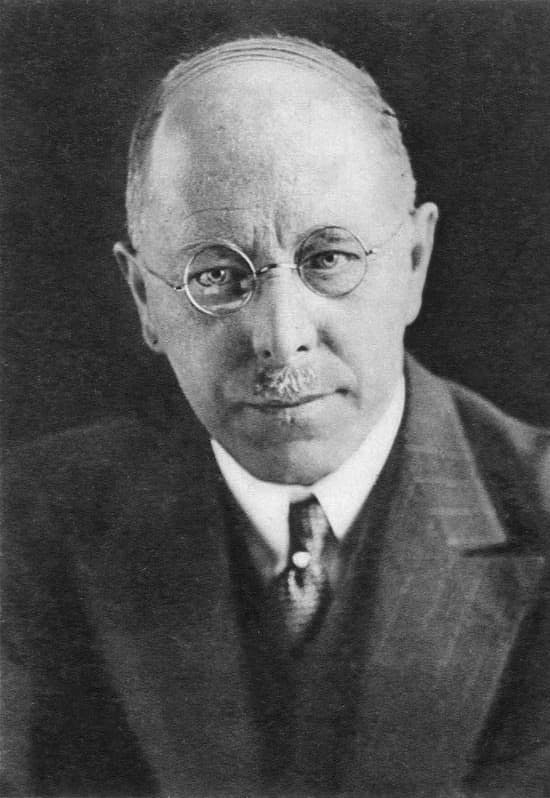
Carl Heinrich Becker
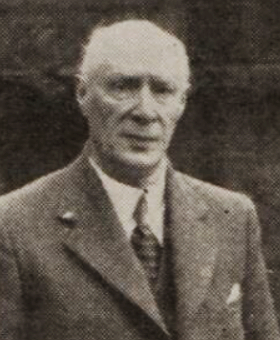
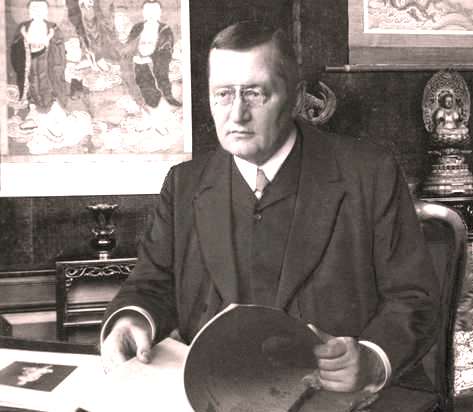
Carl Heinrich Becker was a prominent German orientalist and politician known for his significant contributions to the study of the contemporary Middle East. Born in 1876, he became a key figure in the academic landscape of the Weimar Republic, where he advocated for reforms in higher education. His tenure as Minister for Culture in Prussia from 1921 and again from 1925 to 1930 allowed him to influence cultural policies and promote the importance of oriental studies in Germany. Becker's scholarly work laid the groundwork for modern Middle Eastern studies, emphasizing the need for a nuanced understanding of the region's history and culture. He was instrumental in establishing academic programs that focused on the languages, societies, and politics of the Middle East, positioning these studies as essential for a comprehensive education. His legacy endures through the institutions he helped shape and the academic discourse he fostered, marking him as a pivotal figure in both the fields of orientalism and educational reform during a transformative period in German history.
Famous Quotes
View all 1 quotes“Muhammed's original view that earlier religions had been founded by God's will and through divine revelation, led both him and his successors to make an important concession: adherents of other religions were not compelled to adopt Islam.”
Books from the author


Link to this page
Add a free, dofollow link to Lex on your blog, forum, syllabus, or reading list.

<a href="https://lex-books.com/author/carl-heinrich-becker"><img src="https://lex-books.com/badges/read-on-lex.svg" alt="Carl Heinrich Becker on Lex" width="160" height="40"></a>[](https://lex-books.com/author/carl-heinrich-becker)[url=https://lex-books.com/author/carl-heinrich-becker][img]https://lex-books.com/badges/read-on-lex.svg[/img][/url]Carl Heinrich Becker on Lex: https://lex-books.com/author/carl-heinrich-becker