
Camille Saint-Saëns
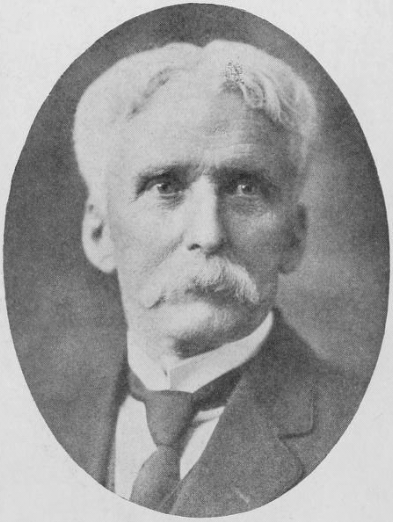
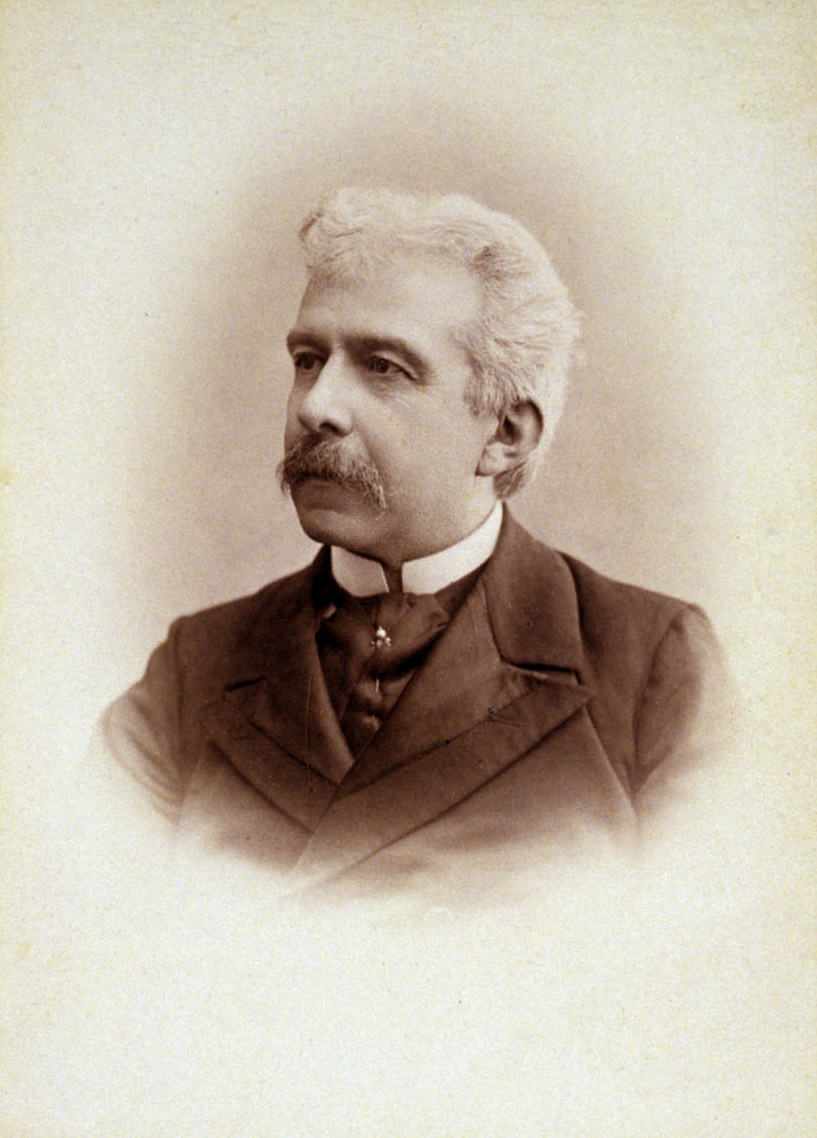
Camille Saint-Saëns was a prominent French composer, pianist, and conductor, renowned for his contributions to the world of classical music during the late 19th and early 20th centuries. Born in Paris, he displayed prodigious musical talent from a young age, eventually becoming one of the first significant composers to embrace the emerging trends of modern music while still drawing on the rich traditions of the past. His diverse body of work includes symphonies, operas, chamber music, and piano concertos, with notable pieces such as 'Danse Macabre' and 'Carnival of the Animals' showcasing his innovative orchestration and melodic flair. In addition to his compositions, Saint-Saëns was an astute musicologist and writer, contributing significantly to music literature through works like 'Musical Memories' and 'Portraits et souvenirs.' His essays, including 'On the Execution of Music' and 'Harmonie et mélodie,' reflect his deep understanding of music theory and his views on performance practice. Saint-Saëns was also known for his outspoken opinions on contemporary music, advocating for a balance between tradition and innovation. His legacy endures not only through his compositions but also through his writings that continue to influence musicians and scholars alike, marking him as a key figure in the transition to modern music.
Books from the author



Link to this page
Add a free, dofollow link to Lex on your blog, forum, syllabus, or reading list.

<a href="https://lex-books.com/author/camille-saint-saëns"><img src="https://lex-books.com/badges/read-on-lex.svg" alt="Camille Saint-Saëns on Lex" width="160" height="40"></a>[](https://lex-books.com/author/camille-saint-saëns)[url=https://lex-books.com/author/camille-saint-saëns][img]https://lex-books.com/badges/read-on-lex.svg[/img][/url]Camille Saint-Saëns on Lex: https://lex-books.com/author/camille-saint-saëns