
Calvin Thomas
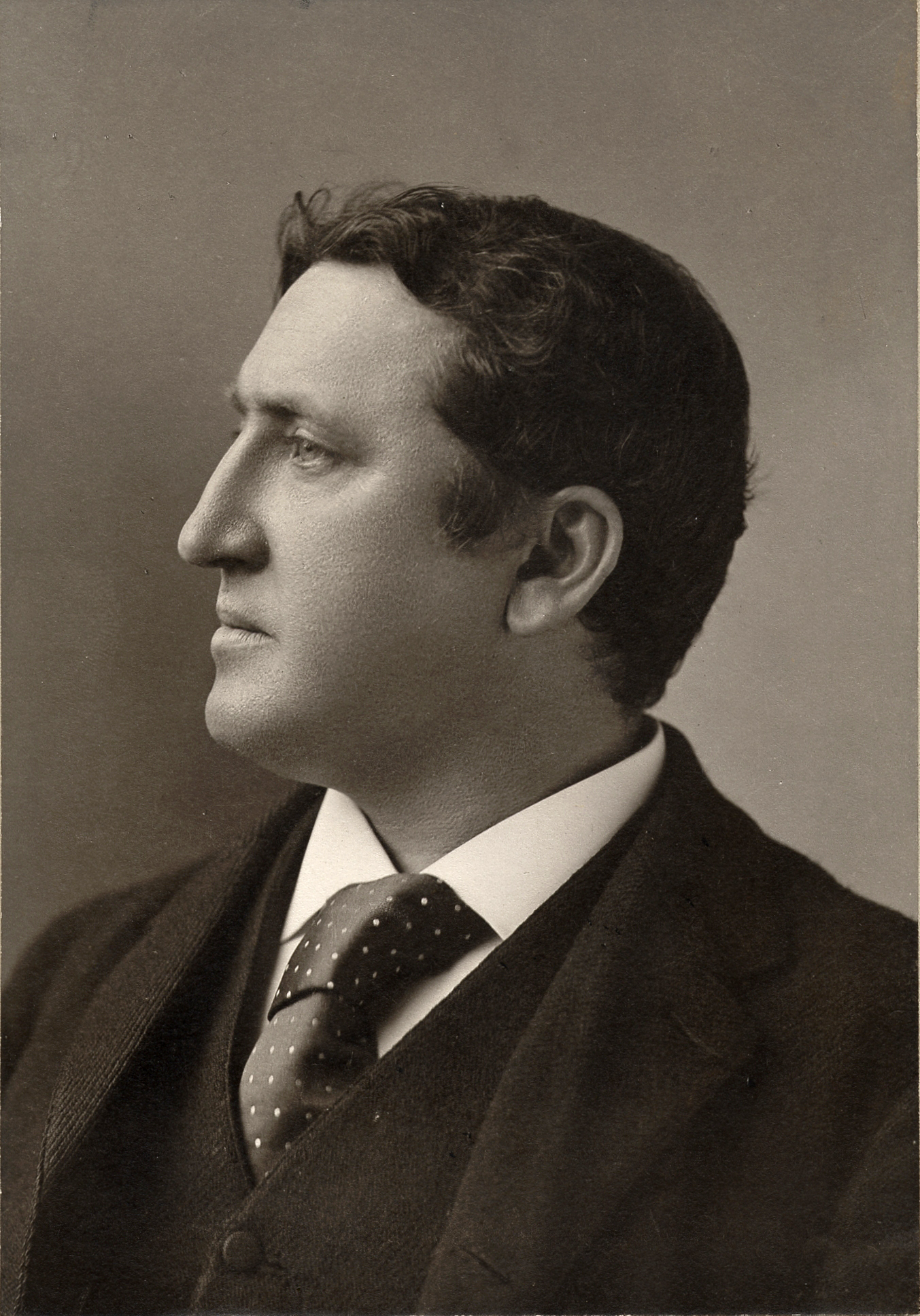
Calvin Thomas was an influential American scholar and translator, renowned for his contributions to the study of German literature. Born in 1854, he dedicated his career to exploring and disseminating the works of prominent German writers, significantly enhancing the understanding of their literary heritage in the English-speaking world. His notable works include 'An Anthology of German Literature,' which served as a comprehensive introduction to German literary traditions, and 'The Life and Works of Friedrich Schiller,' a detailed examination of one of Germany's most celebrated playwrights and poets. Thomas's 'A History of German Literature' further solidified his reputation as a key figure in literary scholarship, offering insights into the evolution of German literature from its origins to the modern era. Throughout his academic career, Thomas emphasized the importance of cultural exchange and the impact of German literature on global literary movements. His translations and analyses not only made German texts accessible to a broader audience but also highlighted the thematic complexities and stylistic innovations of German authors. Calvin Thomas's legacy lies in his role as a bridge between German and American literary cultures, fostering a greater appreciation for the richness of German literary contributions and influencing future generations of scholars and readers alike.
Famous Quotes
View all 10 quotes“If God absolutely and pretemporally decrees that particular persons shall be saved and others damned, apart from any cooperation of human freedom, then God cannot in any sense intend that all shall be saved, as 1 Timothy 4:10 declares. The promise of glory is conditional on grace being received by faith active in love.””
“An uncle continued to pay the fees for Calvin to attend school, but it was a long walk from his hut to St. Patrick’s Elementary School. Since he rarely had dinner the night before, his feet felt heavy as he trudged along. “If only I could go to school in the United States,” Calvin often thought on these long walks. And again, he prayed. When Calvin revealed his prayer to his older brother and an aunt, they laughed.””
“If dominant views in science and philosophy are correct in their affirmation of randomness and chance, theologians such as Augustine, Calvin and Sproul are wrong. God does not control all things; randomness is real.””
Books from the author





Link to this page
Add a free, dofollow link to Lex on your blog, forum, syllabus, or reading list.

<a href="https://lex-books.com/author/calvin-thomas"><img src="https://lex-books.com/badges/read-on-lex.svg" alt="Calvin Thomas on Lex" width="160" height="40"></a>[](https://lex-books.com/author/calvin-thomas)[url=https://lex-books.com/author/calvin-thomas][img]https://lex-books.com/badges/read-on-lex.svg[/img][/url]Calvin Thomas on Lex: https://lex-books.com/author/calvin-thomas