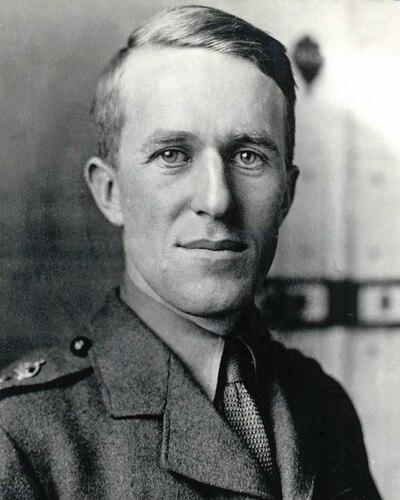
C. E. Lawrence
C. E. Lawrence was a writer known for exploring themes of spirituality and morality through the lens of religious texts. One of their notable works, "The Wisdom of the Apocrypha," delves into the often-overlooked writings that exist outside the canonical scriptures, offering insights into the diverse beliefs and practices that shaped early religious thought. Lawrence's approach combines scholarly analysis with a reflective narrative style, inviting readers to reconsider the significance of these texts in contemporary discussions about faith and ethics. Through their work, Lawrence contributed to a broader understanding of the Apocrypha, highlighting its relevance and the rich historical context surrounding these writings. This exploration not only sheds light on lesser-known religious literature but also encourages a dialogue about the complexities of belief systems and the human experience. Lawrence's literary contributions remain significant for those interested in theology, philosophy, and the intersections of culture and spirituality.
Famous Quotes
View all 2 quotes“Stoic moral training depends upon the defensibility of these schematic propositions: (a) Rational deliberative power (rational agency) is a defining feature of mature human consciousness. (b) Every agent’s rational powers, whenever exercised, operate in a particular and intricate deliberative field, in Barbara Herman’s felicitous phrase, that is laden with projects, preferences, affects, and attachments. (c) Each person’s deliberative field evolves continuously. Its initial information gathering and deliberative routines are givens (as if programmed) and, together with the initial situation, yield explicable beliefs. Initial sensibilities, sensitivities, values, aims, commitments, and preferences are also givens and, together with beliefs and deliberative routines, yield normative propositions for conduct. The circumstances in which such normative propositions are acted out or abandoned (that is, the relative strength or weakness of the will) are given, and actions follow. Each process from information gathering to action then becomes information for the next process. (d) The agent’s awareness of and reflection upon these iterated processes varies. But when awareness is high, it is fair to say rational agency is a self-transformative power: over time, its reflexive, recursive operations can transform its own powers, deliberative field, and operations”
“Ma il simbolo chiave della hijra di Bin Laden era la grotta. Il primo incontro del Profeta con l'angelo Gabriele, che gli rivelò: "Tu sei il messaggero di Dio", avvenne in una grotta alla Mecca. E quando, a Medina, i nemici di Mohammed gli stavano alle costole, egli si nascose in una grotta magicamente occultata alla vista da una ragnatela. L'arte islamica è piena di immagini di stalattiti: un riferimento da un lato al santuario e dall'altro alle grotte in cui il Profeta incontrò il divino. Per Bin Laden la grotta era l'ultimo luogo puro. Soltanto ritirandosi dalla società - e dal tempo, dalla storia, dalla modernità, dalla corruzione, dalla presa soffocante dell'Occidente - poteva presumere di parlare per la vera religione. C'era il genio per le pubbliche relazioni di Bin Laden dietro la scelta di sfruttare la presenza delle grotte-depositi di munizioni di Tora Bora come un mezzo per identificare se stesso con il Profeta nelle menti di molti musulmani che anelavano a purificare la società islamica e a ripristinare la posizione dominante che aveva avuto in passato.””
Books from the author



Link to this page
Add a free, dofollow link to Lex on your blog, forum, syllabus, or reading list.

<a href="https://lex-books.com/author/c-e-lawrence"><img src="https://lex-books.com/badges/read-on-lex.svg" alt="C. E. Lawrence on Lex" width="160" height="40"></a>[](https://lex-books.com/author/c-e-lawrence)[url=https://lex-books.com/author/c-e-lawrence][img]https://lex-books.com/badges/read-on-lex.svg[/img][/url]C. E. Lawrence on Lex: https://lex-books.com/author/c-e-lawrence