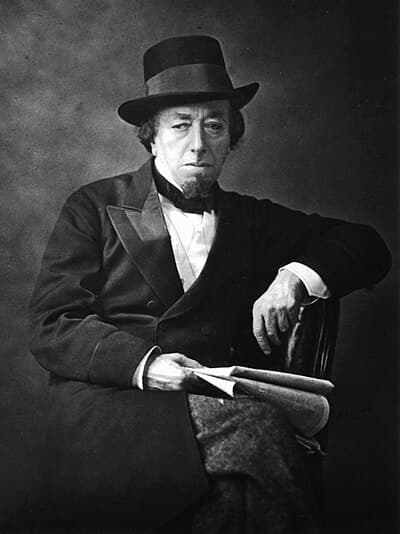
Benjamin, Earl of Beaconsfield Disraeli
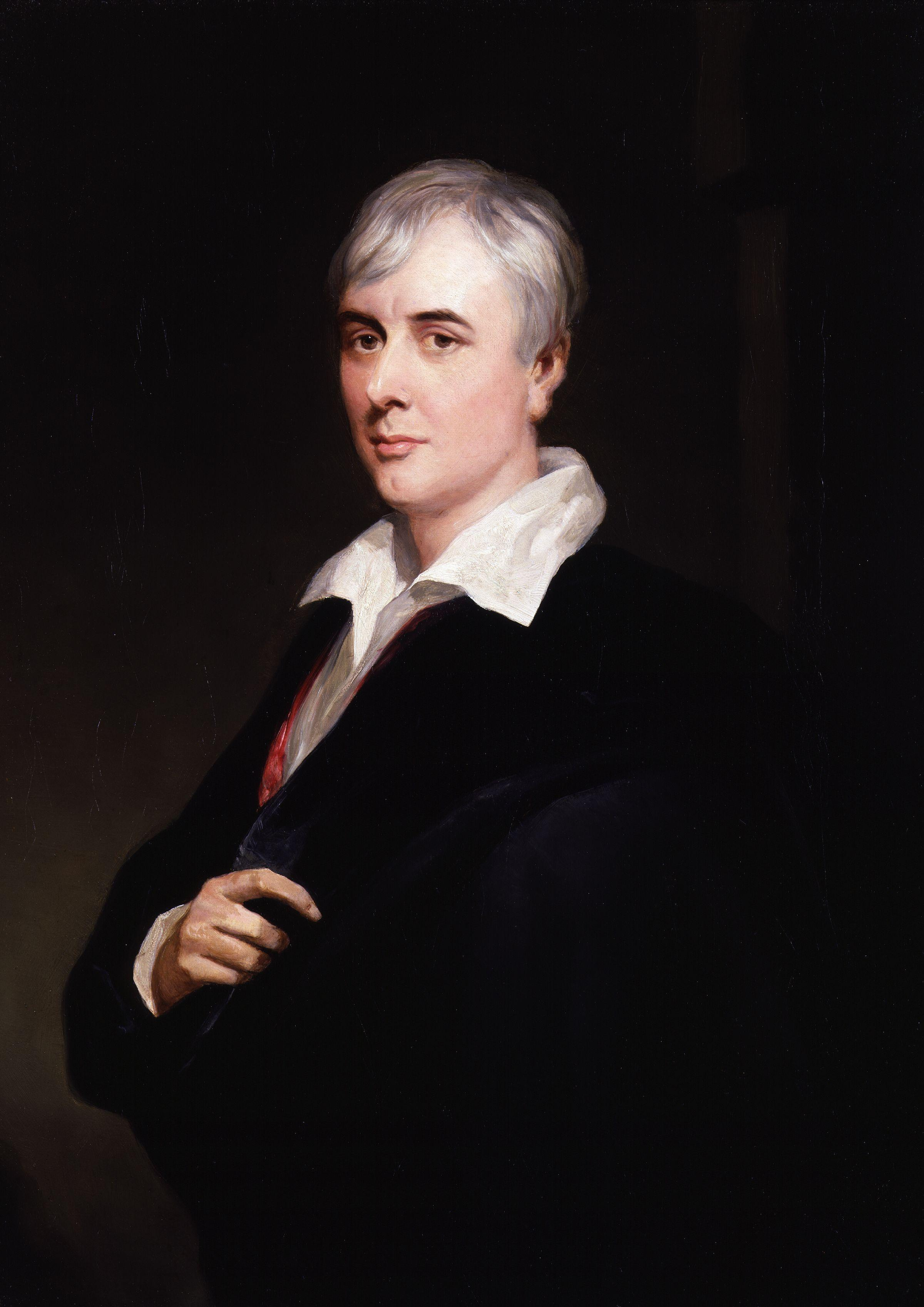
Benjamin Disraeli, the Earl of Beaconsfield, was a prominent British politician and novelist whose literary and political careers were deeply intertwined. Born into a Jewish family in London, Disraeli faced the challenges of his heritage in a predominantly Christian society. He began his career as a novelist, with works such as 'Vivian Grey' and 'The Wondrous Tale of Alroy,' which showcased his flair for romanticism and social commentary. His novels often reflected his political ideals, emphasizing the importance of national identity and the role of the aristocracy in society. Disraeli's political career was marked by his tenure as Prime Minister, where he championed the interests of the British Empire and advocated for social reforms. His policies and speeches, particularly during the expansion of the British Empire, were influential in shaping the Conservative Party's identity. Notably, he played a key role in the purchase of the Suez Canal shares, which solidified Britain's control over this vital trade route. Disraeli's legacy endures not only through his political achievements but also through his literary contributions, which continue to be studied for their insights into Victorian society and politics. His unique blend of literature and statesmanship has left an indelible mark on both fields, making him a significant figure in British history.
Famous Quotes
View all 3 quotes“Patience is a necessary ingredient of genius.””
“Departures should be sudden.””
“Never explain. Never complain.””
Books from the author

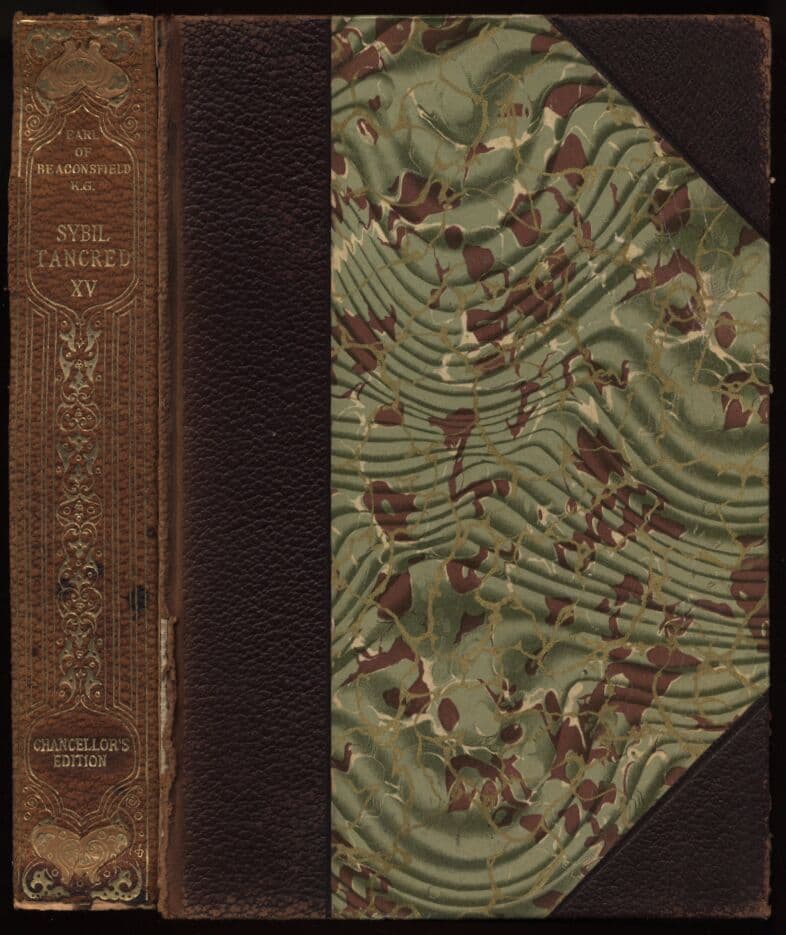


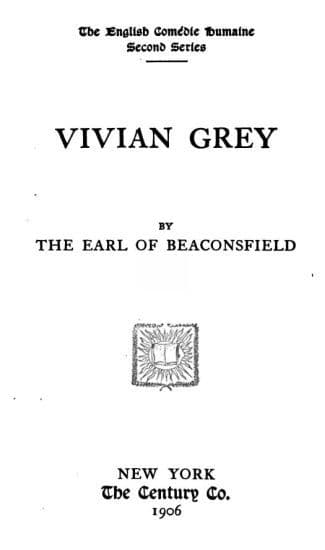




Link to this page
Add a free, dofollow link to Lex on your blog, forum, syllabus, or reading list.

<a href="https://lex-books.com/author/benjamin-earl-of-beaconsfield-disraeli"><img src="https://lex-books.com/badges/read-on-lex.svg" alt="Benjamin, Earl of Beaconsfield Disraeli on Lex" width="160" height="40"></a>[](https://lex-books.com/author/benjamin-earl-of-beaconsfield-disraeli)[url=https://lex-books.com/author/benjamin-earl-of-beaconsfield-disraeli][img]https://lex-books.com/badges/read-on-lex.svg[/img][/url]Benjamin, Earl of Beaconsfield Disraeli on Lex: https://lex-books.com/author/benjamin-earl-of-beaconsfield-disraeli