The Infernal Marriage
1834
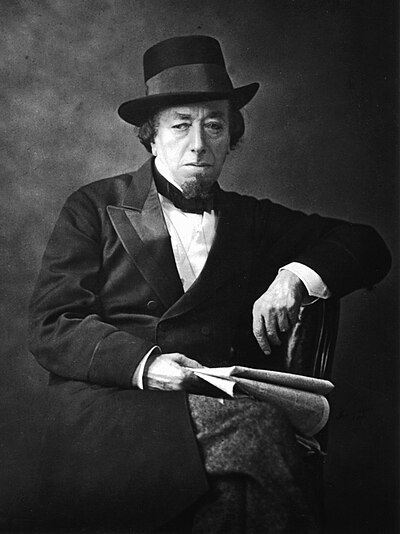
What happens when a future prime minister reimagines Greek mythology as parliamentary comedy? Benjamin Disraeli, just twenty-nine and decades away from power, crafted this wildly ambitious satirical romp as a vehicle for skewering the political class of his day. Pluto isn't just a god - he's a calculating monarch, Proserpine a reluctant bride whose terror slowly softens into something more complicated, and every figure in Hades mirrors a recognizable titan of English and European politics. Lord Byron appears as Bacchus, Wellington as a war-mongering god, Talleyrand as a serpentine diplomat - the allegory is pointed and personal. Proserpine's abduction becomes a darkly funny meditation on marriage as political transaction, the Underworld a镜象 of the corridors of power Disraeli would one day walk. The comedy emerges from the collision between ancient myth and modern vanity, with the Furies as court functionaries and the Fates as gossiping insiders. Disraeli's father considered this his son's finest work - and one can see why. It's a young writer's declaration of wit, ambition, and sharp-eyed cynicism about the powerful.
Editions
Link to this book
Add a free, dofollow link to Lex on your blog, forum, syllabus, or reading list.

<a href="https://lex-books.com/book/the-infernal-marriage-34a71444-7345-4adc-9943-37b3741679b7"><img src="https://lex-books.com/badges/read-on-lex.svg" alt="Read The Infernal Marriage by Benjamin, Earl of Beaconsfield Disraeli free on Lex" width="160" height="40"></a>[](https://lex-books.com/book/the-infernal-marriage-34a71444-7345-4adc-9943-37b3741679b7)[url=https://lex-books.com/book/the-infernal-marriage-34a71444-7345-4adc-9943-37b3741679b7][img]https://lex-books.com/badges/read-on-lex.svg[/img][/url]Read The Infernal Marriage by Benjamin, Earl of Beaconsfield Disraeli free on Lex: https://lex-books.com/book/the-infernal-marriage-34a71444-7345-4adc-9943-37b3741679b7Cite this book
Reading this edition for a paper or guide? Copy a citation.
Benjamin, Earl of Beaconsfield Disraeli. The Infernal Marriage. Lex, lex-books.com/book/the-infernal-marriage-34a71444-7345-4adc-9943-37b3741679b7.Benjamin, E. O. B. D. (1834). The Infernal Marriage. Lex. https://lex-books.com/book/the-infernal-marriage-34a71444-7345-4adc-9943-37b3741679b7Benjamin, Earl of Beaconsfield Disraeli. The Infernal Marriage. Lex. https://lex-books.com/book/the-infernal-marriage-34a71444-7345-4adc-9943-37b3741679b7.