Alroy: The Prince of the Captivity
1833
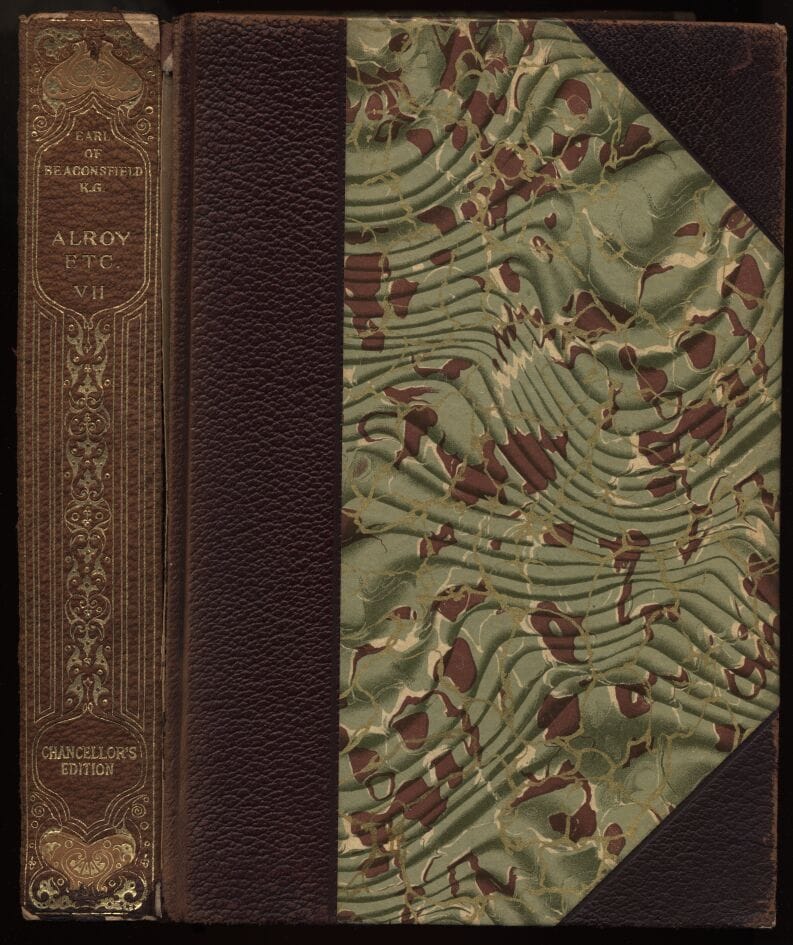
Alroy: The Prince of the Captivity
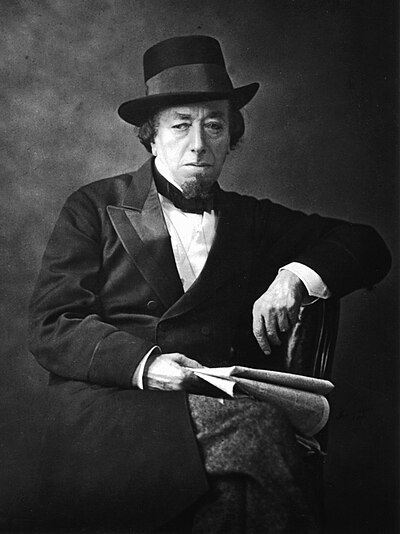
Benjamin, Earl of Beaconsfield Disraeli
1833
Published when its author was just twenty-eight, this is the earliest English novel to imagine Jewish national restoration, and it reads like a fever dream of passion and prophecy. Set in the 12th century among the Jewish communities living under the crumbling Caliphate, it follows David Alroy, a descendant of Israel's ancient kings, as he awakens to his people's degradation and his own royal destiny. His uncle Bostenay pleads with him to accept his heritage; Alroy instead chooses defiance, slaying a tyrannical overlord and sparking toward something larger than himself. Disraeli, writing decades before entering Parliament and becoming Britain's first (and only) Jewish-origin Prime Minister, pours his own combustible identity into these pages. The prose veers between biblical grandeur and Byronic melancholy, capturing a young man's anguish at watching his people live in captivity while his blood remembers crowns. Whether you come for history, Zionism's literary origins, or the portrait of a brilliant mind still finding its voice, Alroy remains startling: a romantic historical fiction that was, impossibly, trying to write the future.
Editions
Link to this book
Add a free, dofollow link to Lex on your blog, forum, syllabus, or reading list.

<a href="https://lex-books.com/book/alroy-the-prince-of-the-captivity-e4bb51b1-0826-4ed6-82f3-ba467834f1da"><img src="https://lex-books.com/badges/read-on-lex.svg" alt="Read Alroy: The Prince of the Captivity by Benjamin, Earl of Beaconsfield Disraeli free on Lex" width="160" height="40"></a>[](https://lex-books.com/book/alroy-the-prince-of-the-captivity-e4bb51b1-0826-4ed6-82f3-ba467834f1da)[url=https://lex-books.com/book/alroy-the-prince-of-the-captivity-e4bb51b1-0826-4ed6-82f3-ba467834f1da][img]https://lex-books.com/badges/read-on-lex.svg[/img][/url]Read Alroy: The Prince of the Captivity by Benjamin, Earl of Beaconsfield Disraeli free on Lex: https://lex-books.com/book/alroy-the-prince-of-the-captivity-e4bb51b1-0826-4ed6-82f3-ba467834f1daCite this book
Reading this edition for a paper or guide? Copy a citation.
Benjamin, Earl of Beaconsfield Disraeli. Alroy: The Prince of the Captivity. Lex, lex-books.com/book/alroy-the-prince-of-the-captivity-e4bb51b1-0826-4ed6-82f3-ba467834f1da.Benjamin, E. O. B. D. (1833). Alroy: The Prince of the Captivity. Lex. https://lex-books.com/book/alroy-the-prince-of-the-captivity-e4bb51b1-0826-4ed6-82f3-ba467834f1daBenjamin, Earl of Beaconsfield Disraeli. Alroy: The Prince of the Captivity. Lex. https://lex-books.com/book/alroy-the-prince-of-the-captivity-e4bb51b1-0826-4ed6-82f3-ba467834f1da.