The Rise of Iskander
1833
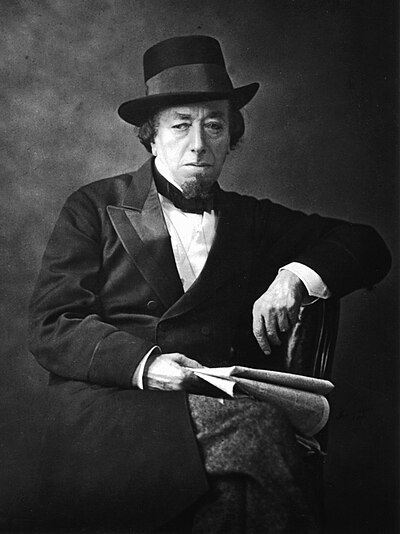
In 1833, a young Benjamin Disraeli, years before becoming Britain's Prime Minister, turned his pen to the Greek independence movement. The Rise of Iskander drops us into Athens on the eve of revolution, where a noble Turkish warrior discovers his heart belongs to a people not his own. Iskander bears a warrior's weapons and a Greek prince's blood, raised in the Sultan's court yet drawn to the homeland that whispers in his veins. As Ottoman rule tightens across the Peloponnese, he must choose: loyalty to the master who shaped him, or the patriotic fire that burns for Greece. The novel crackles with this fundamental tension, what happens when the sword you carry is raised against your own people? Disraeli writes with romantic fervor, capturing an era when Greece's struggle against the Ottomans captured European imagination. This is historical fiction as identity crisis, a young writer working out questions of loyalty, blood, and belonging that would echo through his later political career.
Editions
Link to this book
Add a free, dofollow link to Lex on your blog, forum, syllabus, or reading list.

<a href="https://lex-books.com/book/the-rise-of-iskander-43fa5336-75d3-47ca-ade8-66727fd8f418"><img src="https://lex-books.com/badges/read-on-lex.svg" alt="Read The Rise of Iskander by Benjamin, Earl of Beaconsfield Disraeli free on Lex" width="160" height="40"></a>[](https://lex-books.com/book/the-rise-of-iskander-43fa5336-75d3-47ca-ade8-66727fd8f418)[url=https://lex-books.com/book/the-rise-of-iskander-43fa5336-75d3-47ca-ade8-66727fd8f418][img]https://lex-books.com/badges/read-on-lex.svg[/img][/url]Read The Rise of Iskander by Benjamin, Earl of Beaconsfield Disraeli free on Lex: https://lex-books.com/book/the-rise-of-iskander-43fa5336-75d3-47ca-ade8-66727fd8f418Cite this book
Reading this edition for a paper or guide? Copy a citation.
Benjamin, Earl of Beaconsfield Disraeli. The Rise of Iskander. Lex, lex-books.com/book/the-rise-of-iskander-43fa5336-75d3-47ca-ade8-66727fd8f418.Benjamin, E. O. B. D. (1833). The Rise of Iskander. Lex. https://lex-books.com/book/the-rise-of-iskander-43fa5336-75d3-47ca-ade8-66727fd8f418Benjamin, Earl of Beaconsfield Disraeli. The Rise of Iskander. Lex. https://lex-books.com/book/the-rise-of-iskander-43fa5336-75d3-47ca-ade8-66727fd8f418.