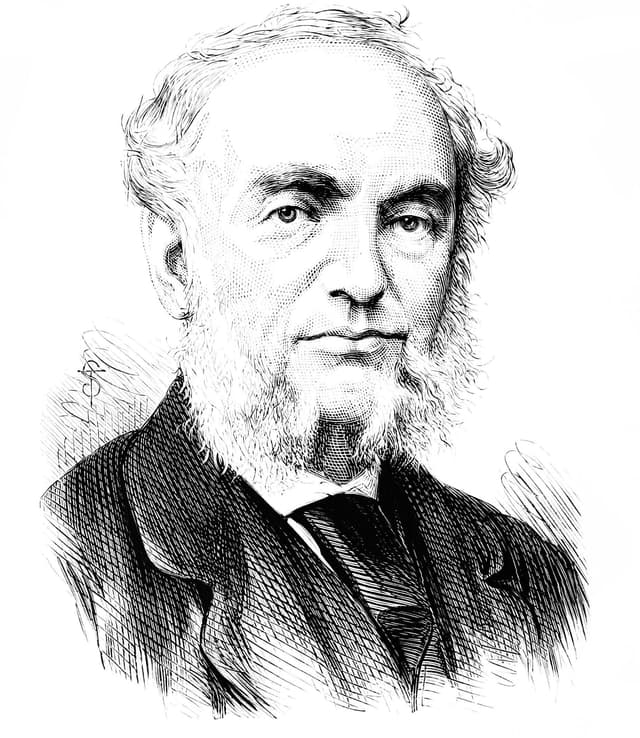
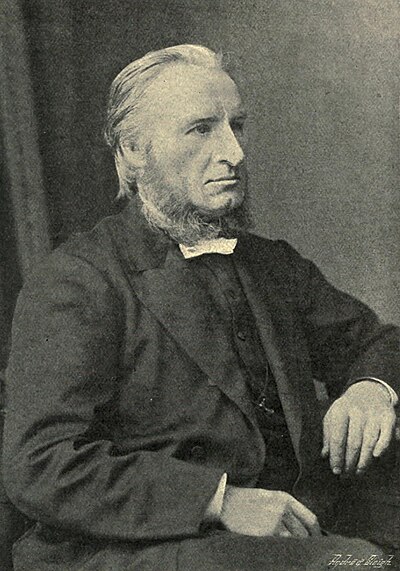
Balfour Stewart
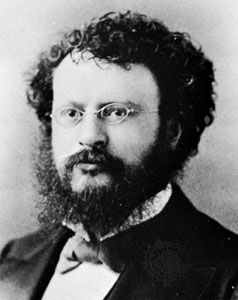
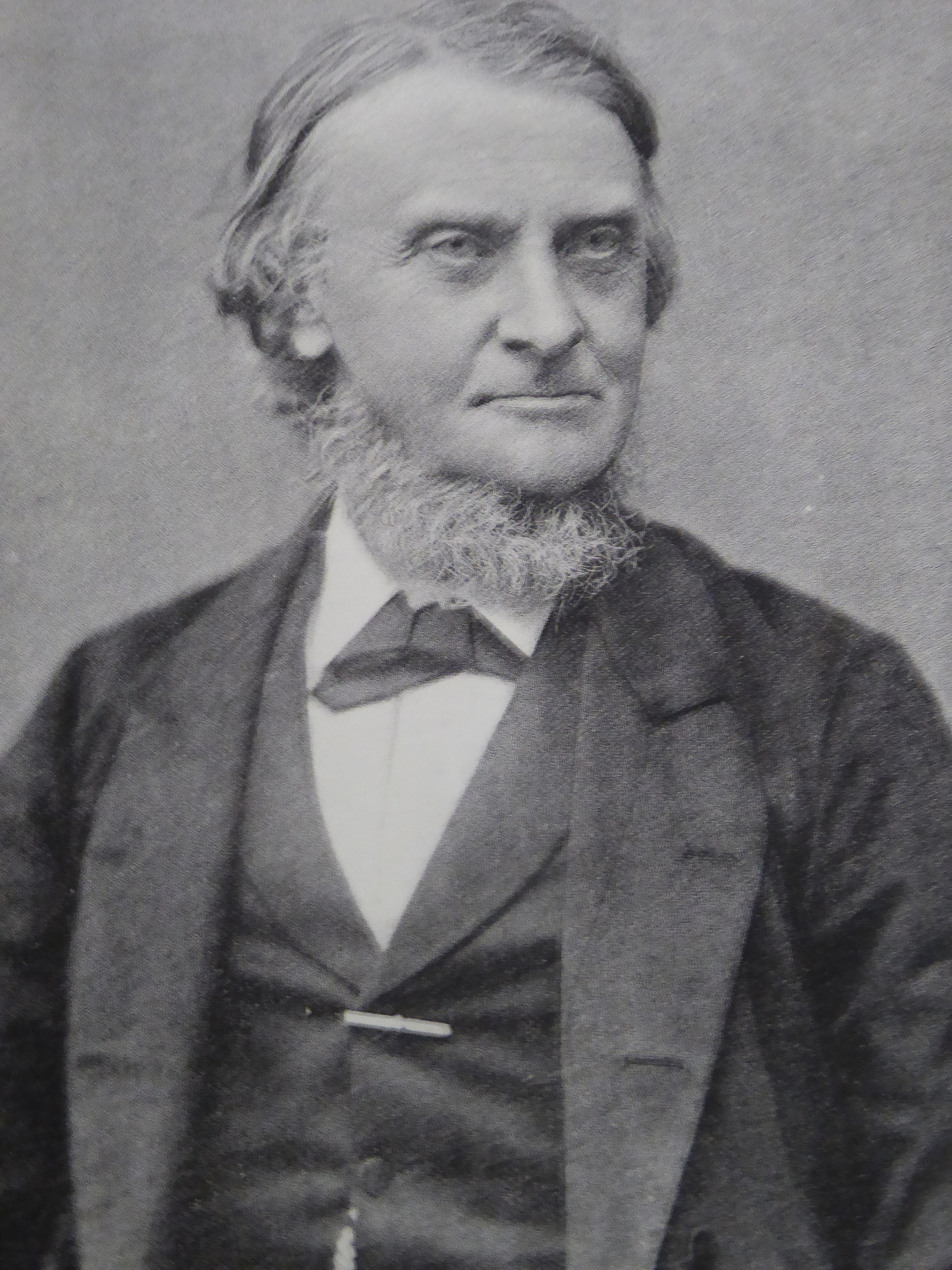
Balfour Stewart was a prominent Scottish physicist and meteorologist known for his significant contributions to the study of radiant heat. His research in this area earned him the prestigious Rumford Medal from the Royal Society in 1868, recognizing his impact on the scientific community. In 1859, Stewart took on the role of director at Kew Observatory, where he furthered his investigations into meteorological phenomena. His academic career flourished when he was appointed the first Langworthy Professor of Physics at Owens College, Manchester, a position he held until his death in 1887. Stewart was not only a dedicated researcher but also a prolific author, producing several influential science textbooks that helped educate future generations. Among his notable contributions was his article on "Terrestrial Magnetism" in the ninth edition of the Encyclopædia Britannica, which showcased his expertise and ability to communicate complex scientific concepts. His work laid important groundwork in the fields of physics and meteorology, and he is remembered for his role in advancing scientific understanding during the 19th century.
Famous Quotes
View all 1 quotes“I do not think the division of the subject into two parts - into applied mathematics and experimental physics a good one, for natural philosophy without experiment is merely mathematical exercise, while experiment without mathematics will neither sufficiently discipline the mind or sufficiently extend our knowledge in a subject like physics.”
Books from the author
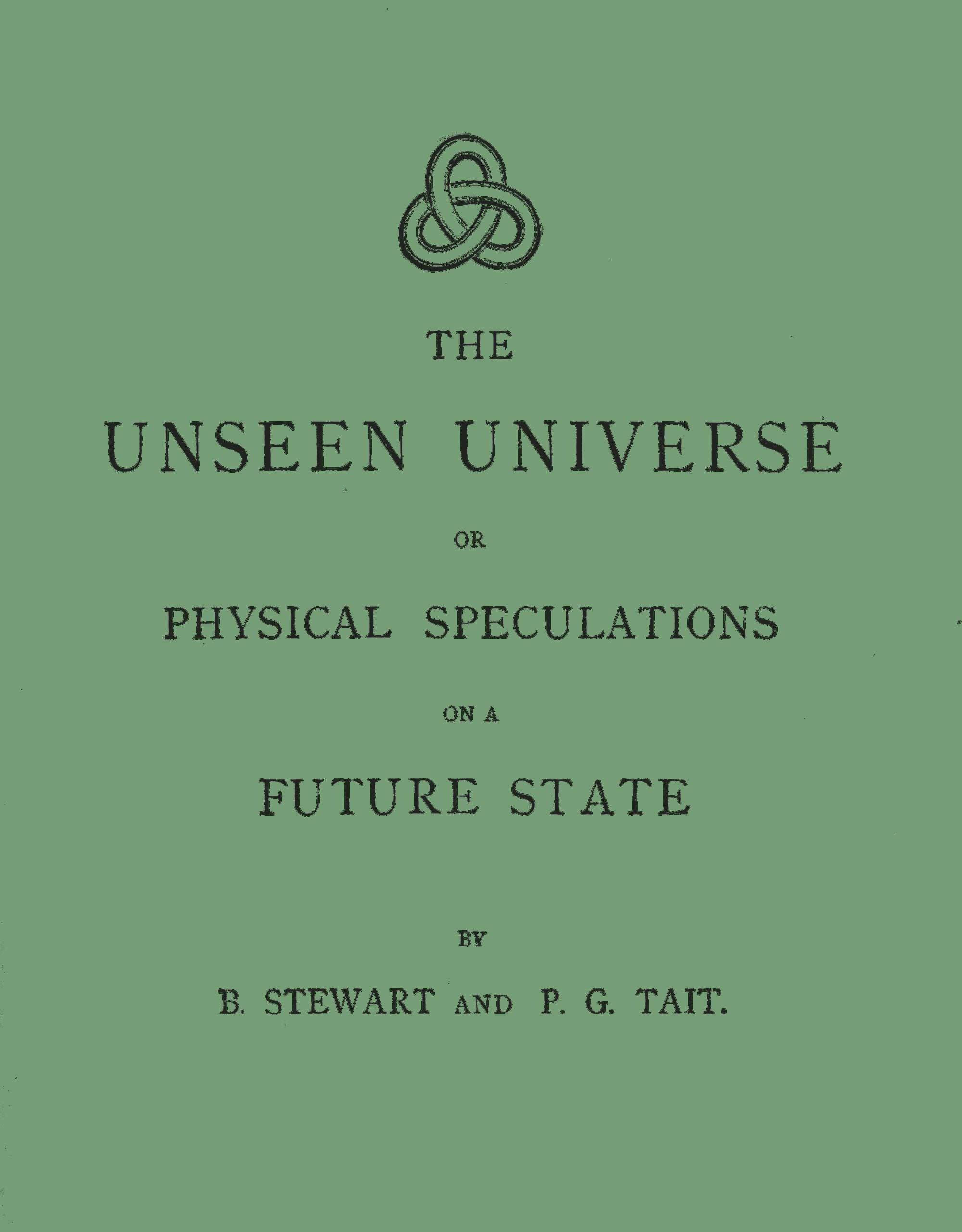





Link to this page
Add a free, dofollow link to Lex on your blog, forum, syllabus, or reading list.

<a href="https://lex-books.com/author/balfour-stewart"><img src="https://lex-books.com/badges/read-on-lex.svg" alt="Balfour Stewart on Lex" width="160" height="40"></a>[](https://lex-books.com/author/balfour-stewart)[url=https://lex-books.com/author/balfour-stewart][img]https://lex-books.com/badges/read-on-lex.svg[/img][/url]Balfour Stewart on Lex: https://lex-books.com/author/balfour-stewart