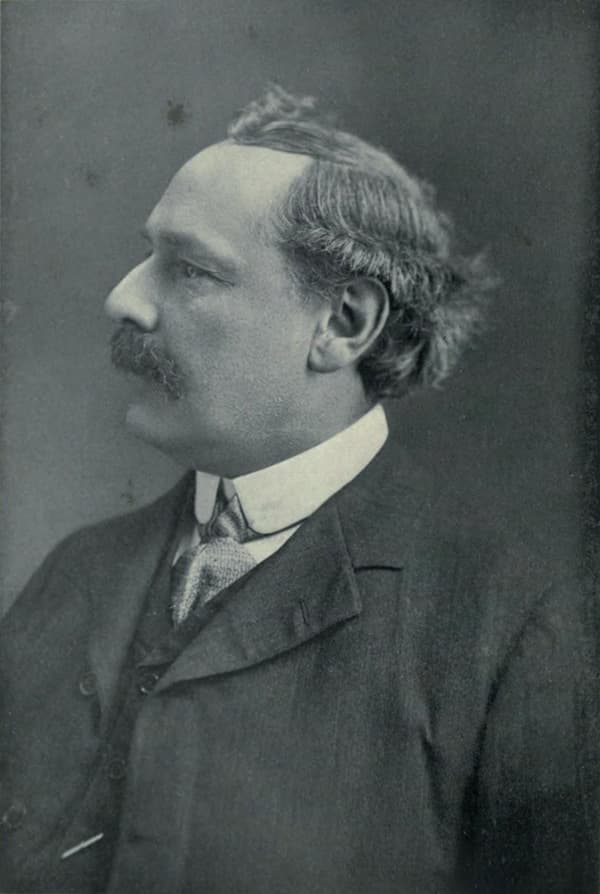
Arthur Edward Waite
Arthur Edward Waite was a British poet and scholarly mystic whose work significantly shaped the study of Western esotericism. He is best known as the co-creator of the Rider-Waite Tarot deck, which remains one of the most popular and widely used tarot decks in the world. Waite's contributions to the occult were not limited to tarot; he was a prolific writer who sought to explore and document the history of Western occultism as a spiritual tradition, distinguishing it from mere superstition or the pathology of religion. His scholarly approach laid the groundwork for future studies in the field, making him a pivotal figure in the understanding of esoteric practices and beliefs. Throughout his life, Waite was deeply involved in various mystical organizations, including the Hermetic Order of the Golden Dawn and the Societas Rosicruciana in Anglia. He also edited a magazine called The Unknown World, which further disseminated his ideas and those of his contemporaries. Waite's legacy endures not only through his writings and the tarot deck but also through his influence on modern occultism and the continued interest in esoteric traditions. His systematic approach to the study of these subjects has made him a respected figure among scholars and practitioners alike.
Famous Quotes
View all 3 quotes“pictures are like doors which open into unexpected chambers,”
“A winged angel, with the sign of the sun upon his forehead and on his breast the square and triangle of the septenary. I speak of him in the masculine sense, but the figure is neither male nor female. It is held to be pouring the essences of life from chalice to chalice. It has one foot upon the earth and one upon waters, thus illustrating the nature of the essences. A direct path goes up to certain heights on the verge of the horizon, and above there is a great light, through which a crown is seen vaguely. Hereof is some part of the Secret of Eternal Life, as it is possible to man in his incarnation. All the conventional emblems are renounced herein.”
“the strength which is raised to such a degree that a man dares lose himself shall shew him how God is found,”
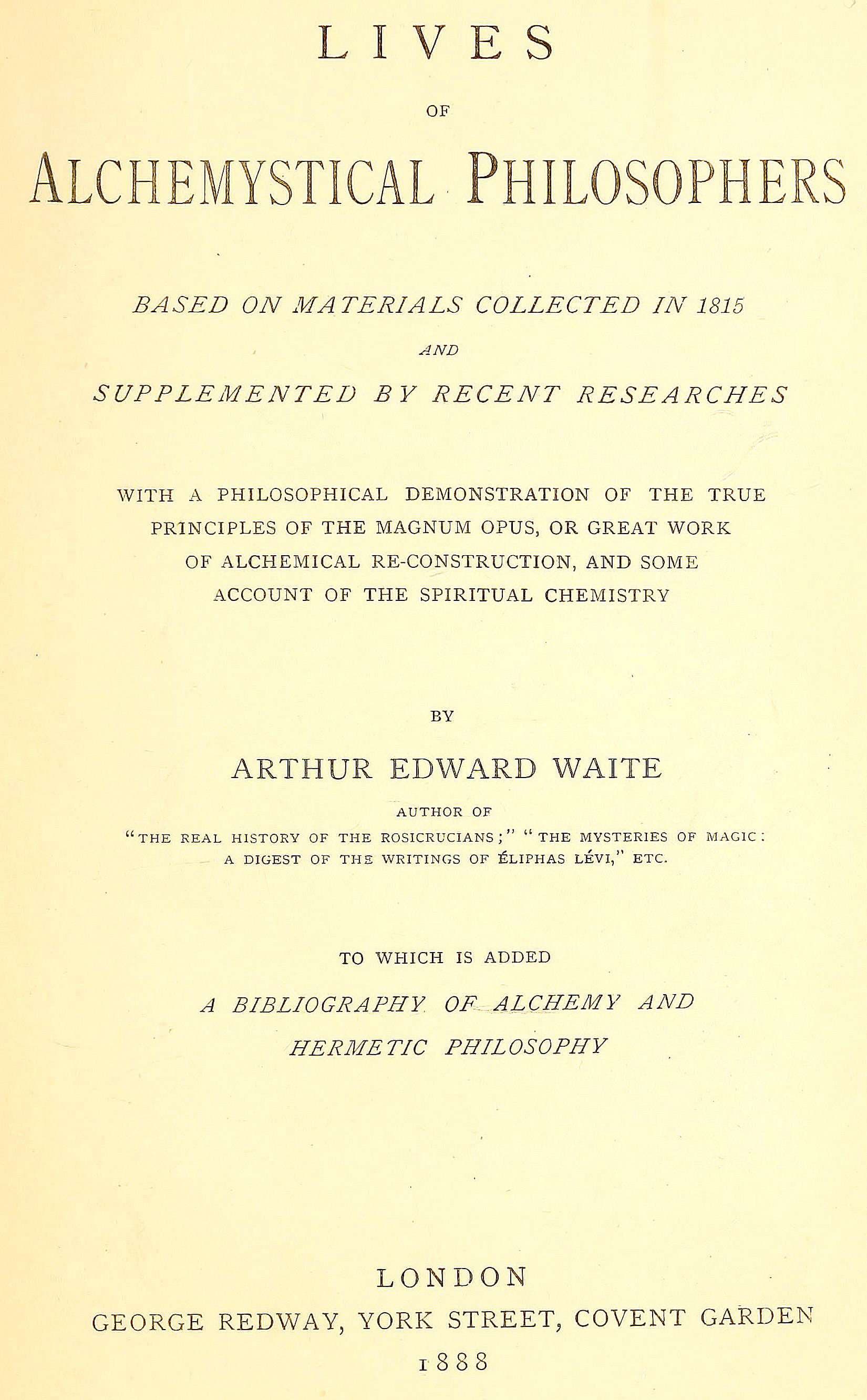
Books from the author




Link to this page
Add a free, dofollow link to Lex on your blog, forum, syllabus, or reading list.

<a href="https://lex-books.com/author/arthur-edward-waite"><img src="https://lex-books.com/badges/read-on-lex.svg" alt="Arthur Edward Waite on Lex" width="160" height="40"></a>[](https://lex-books.com/author/arthur-edward-waite)[url=https://lex-books.com/author/arthur-edward-waite][img]https://lex-books.com/badges/read-on-lex.svg[/img][/url]Arthur Edward Waite on Lex: https://lex-books.com/author/arthur-edward-waite