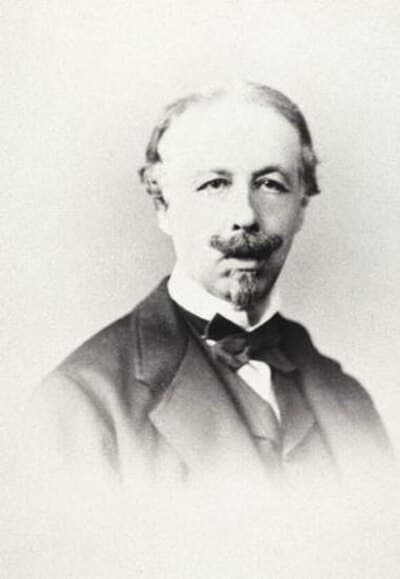
Arthur, comte de Gobineau
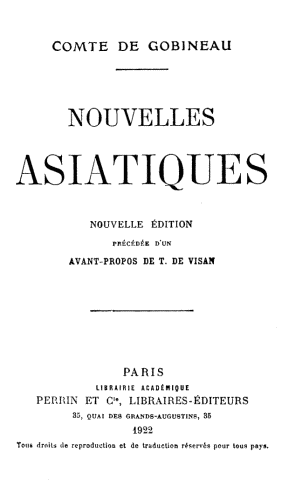
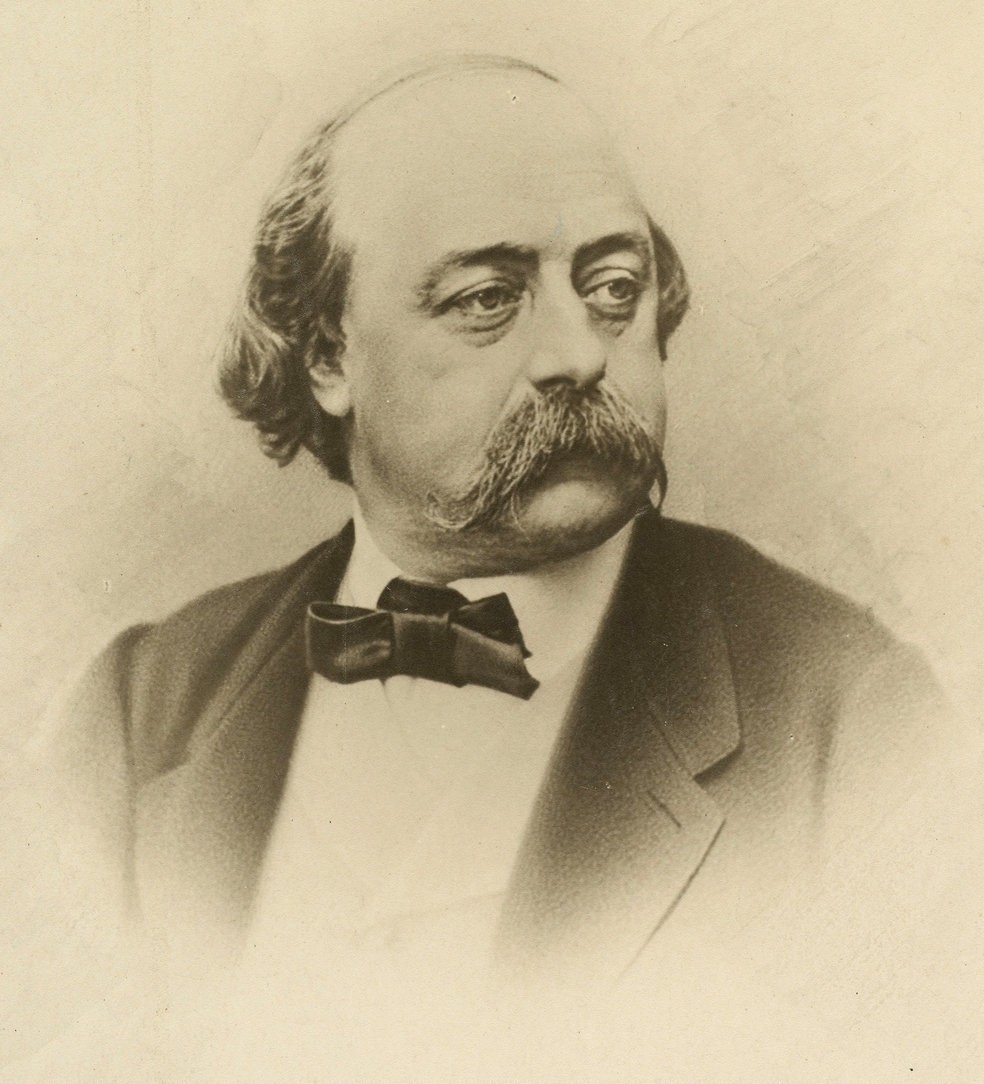
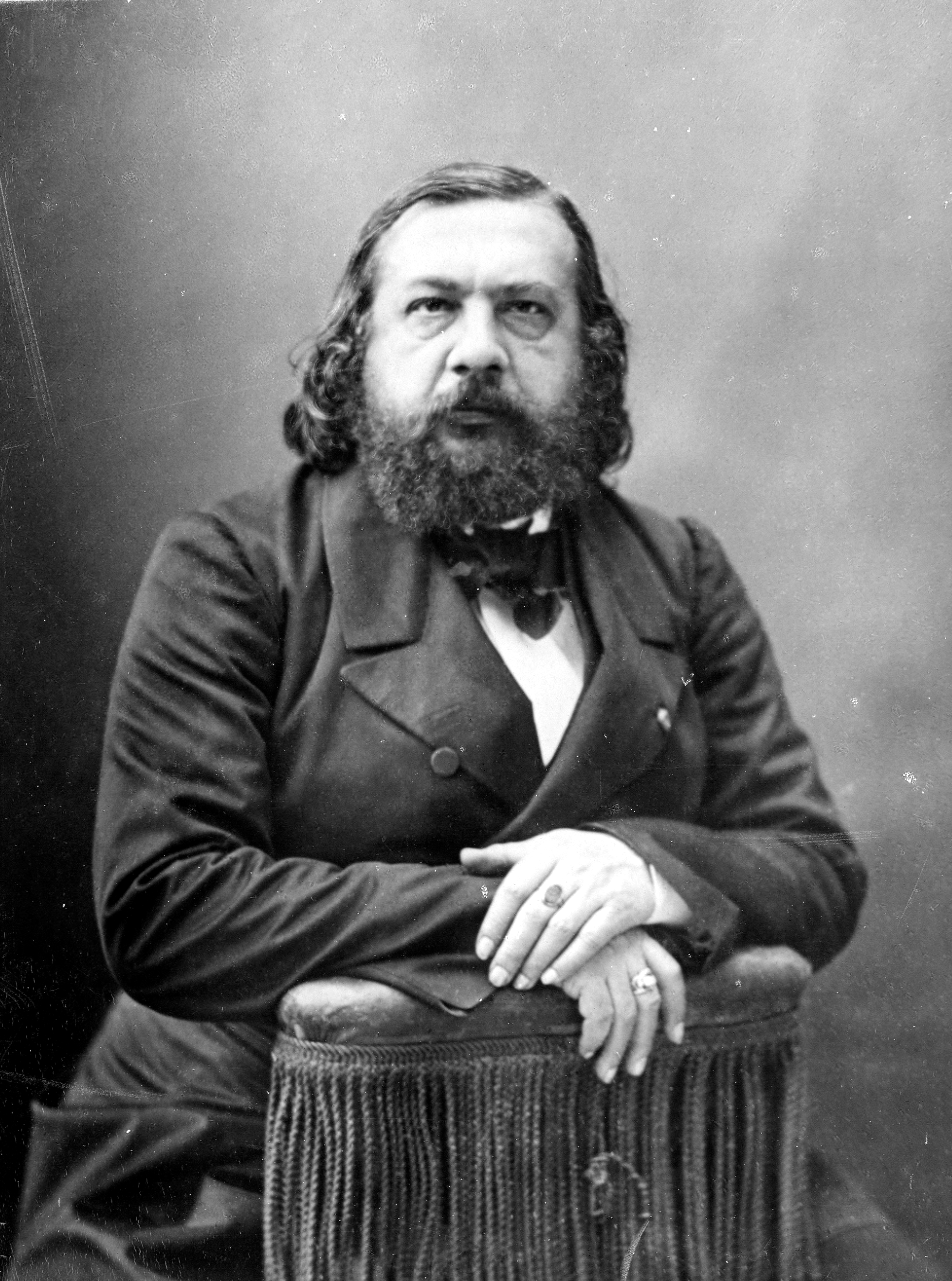
Arthur, comte de Gobineau was a French aristocrat, novelist, and diplomat, best known for his controversial theories on race and civilization. His most significant work, 'The Inequality of Human Races,' published in 1853, argued that the decline of civilizations was linked to racial mixing and posited a hierarchy of races, which would later influence various ideologies, including those of the Nazis. Gobineau's writings reflected the anxieties of his time regarding race and culture, and he became a pivotal figure in the development of racial theory in the 19th century. In addition to his racial theories, Gobineau was a prolific writer of fiction and essays. His works, such as 'Nouvelles Asiatiques' and 'La Fleur D'or,' showcased his interest in Eastern cultures and philosophies, while 'Voyage à Terre-Neuve' reflected his experiences and observations during his travels. His historical writings, including 'Die Renaissance,' explored the complexities of historical figures and events, revealing his deep engagement with history and culture. Despite his controversial views, Gobineau's work has had a lasting impact on social and political thought, and he remains a significant, if contentious, figure in the study of race and civilization in the modern era.
Books from the author








Link to this page
Add a free, dofollow link to Lex on your blog, forum, syllabus, or reading list.

<a href="https://lex-books.com/author/arthur-comte-de-gobineau"><img src="https://lex-books.com/badges/read-on-lex.svg" alt="Arthur, comte de Gobineau on Lex" width="160" height="40"></a>[](https://lex-books.com/author/arthur-comte-de-gobineau)[url=https://lex-books.com/author/arthur-comte-de-gobineau][img]https://lex-books.com/badges/read-on-lex.svg[/img][/url]Arthur, comte de Gobineau on Lex: https://lex-books.com/author/arthur-comte-de-gobineau