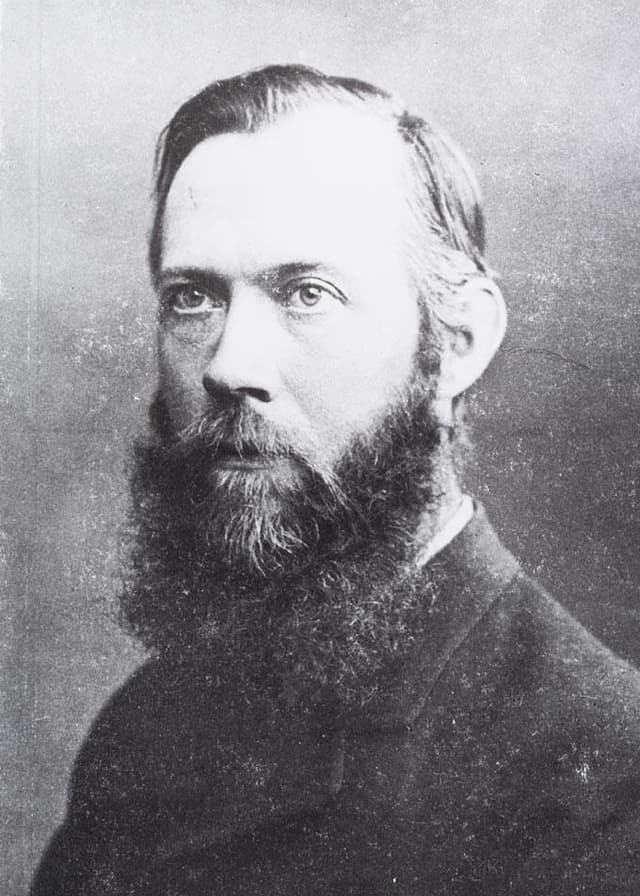
Anton Pannekoek
Anton Pannekoek was a multifaceted Dutch intellectual known for his contributions to astronomy, history, philosophy, and Marxist theory. Born in the Netherlands, he initially made a name for himself as an astronomer, conducting significant research on the structure of the Milky Way and the nature of stars. His scientific work was complemented by a deep engagement with political theory, where he emerged as a prominent figure in the council communism movement, advocating for a form of socialism that emphasized direct worker control and self-management through councils. Pannekoek's writings, including notable works such as 'Workers' Councils' and 'The Theory of the Proletarian Revolution,' articulated a vision of revolutionary socialism that diverged from traditional Marxist thought. He argued for the importance of grassroots organization and the role of the working class in shaping their own destinies. His theories not only influenced contemporaneous socialist movements but also left a lasting legacy in leftist thought, particularly in discussions around democracy and autonomy within socialist frameworks. Pannekoek's blend of scientific inquiry and political activism exemplified the interconnectedness of knowledge and social change, marking him as a significant figure in both the scientific and political landscapes of the 20th century.
Famous Quotes
View all 3 quotes“The German experience brings us face to face with the major problem of the revolution in Western Europe. In these countries, the old bourgeois mode of production and the centuries-old civilisation which has developed with it have completely impressed themselves upon the thoughts and feelings of the popular masses. Hence, the mentality and inner character of the masses here is quite different from that in the countries of the East, who have not experienced the rule of bourgeois culture; and this is what distinguishes the different courses that the revolution has taken in the East and the West.”
“What has been gained by hard fight in times of prosperity is often lost in times of depression. Unemployment was always the chief impediment to a continuous raising of the life standard of the working class.”
“Is war inevitable? Is not war an anachronism? Why should man, able to discover atomic processes, not be able to establish world peace? Those who pose this question do not know what capitalism means. Can there be world peace when in Russia millions of slaves are worked to death in concentration camps, and the entire population lacks freedom? Can there be world peace when in America the kings of capital keep the entire society in subjection and exploitation without being faced by any trace of a fight for social freedom? Where capitalist greed and capitalist exploitation dominate world peace must remain a pious wish. When we say that, hence, war is inseparable from capitalism, that war can only disappear with capitalism itself, this does not mean that war against war is of no use and that we have to wait till capitalism has been destroyed. It means that the fight against war is inseparable from fight against capitalism. War against war can be effective only as part of the workers' class war against capitalism.”
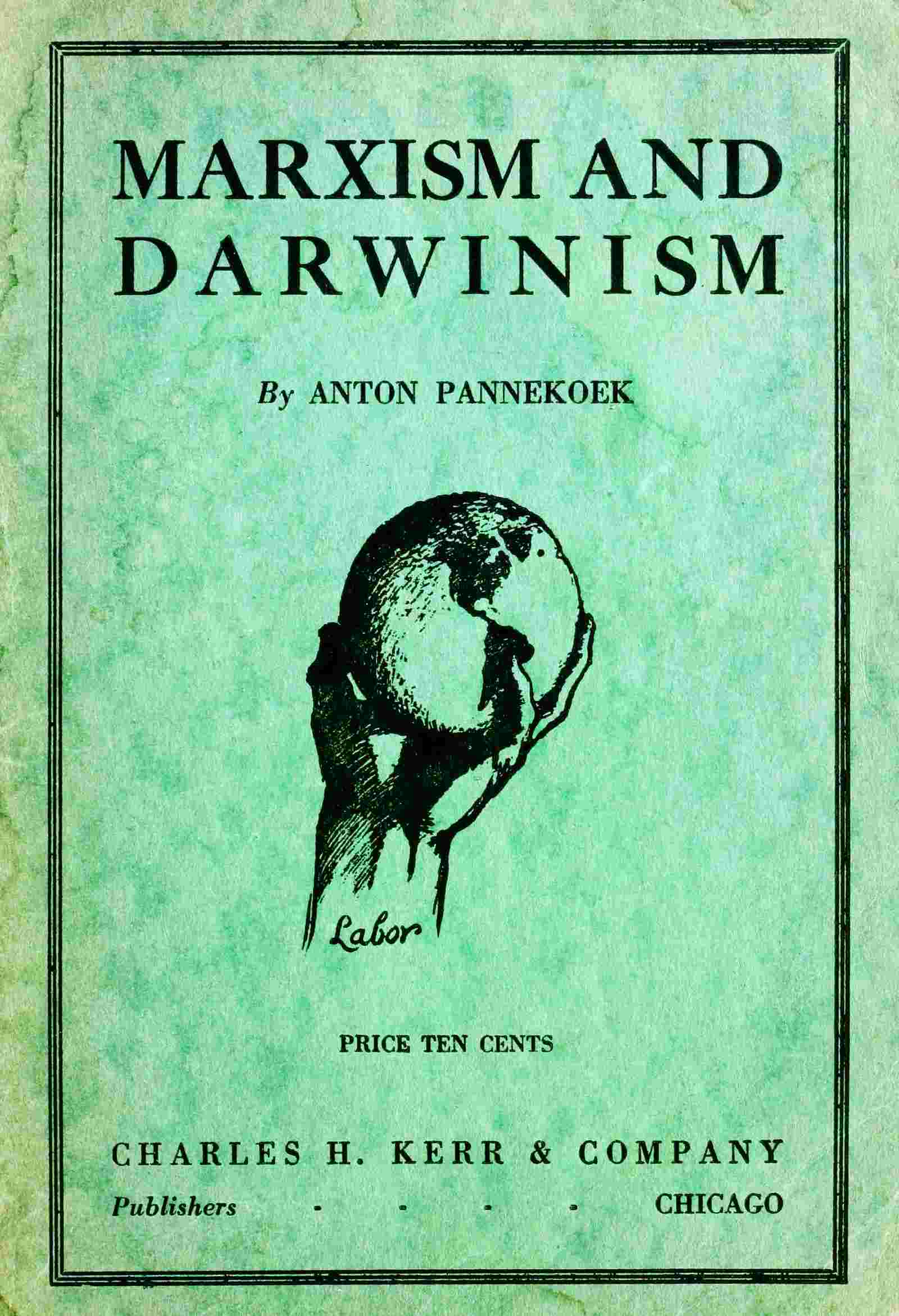
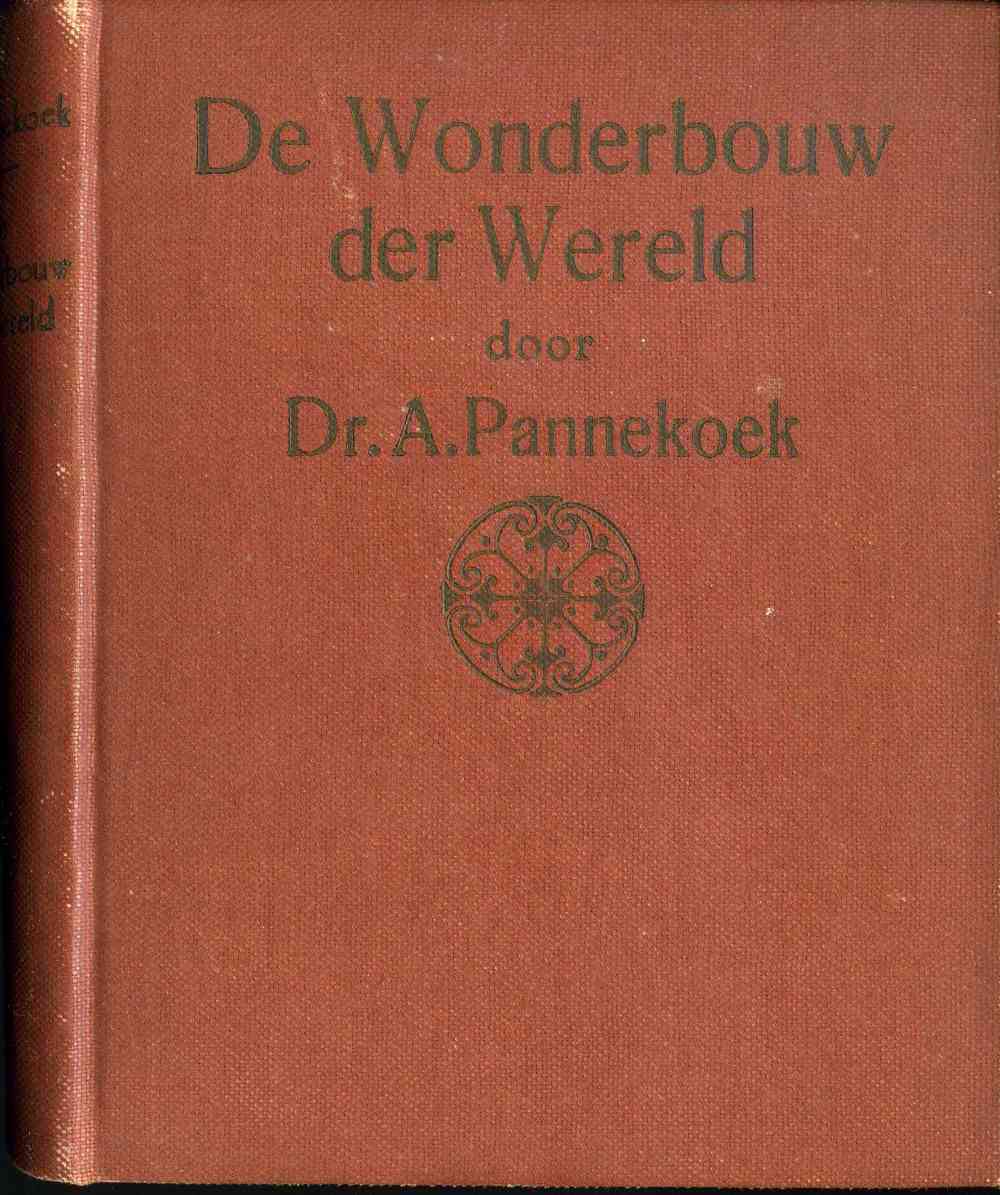
Books from the author


Link to this page
Add a free, dofollow link to Lex on your blog, forum, syllabus, or reading list.

<a href="https://lex-books.com/author/anton-pannekoek"><img src="https://lex-books.com/badges/read-on-lex.svg" alt="Anton Pannekoek on Lex" width="160" height="40"></a>[](https://lex-books.com/author/anton-pannekoek)[url=https://lex-books.com/author/anton-pannekoek][img]https://lex-books.com/badges/read-on-lex.svg[/img][/url]Anton Pannekoek on Lex: https://lex-books.com/author/anton-pannekoek