Atheism Among the People
1850
Atheism Among the People
1850
Translated by Edward Everett Hale
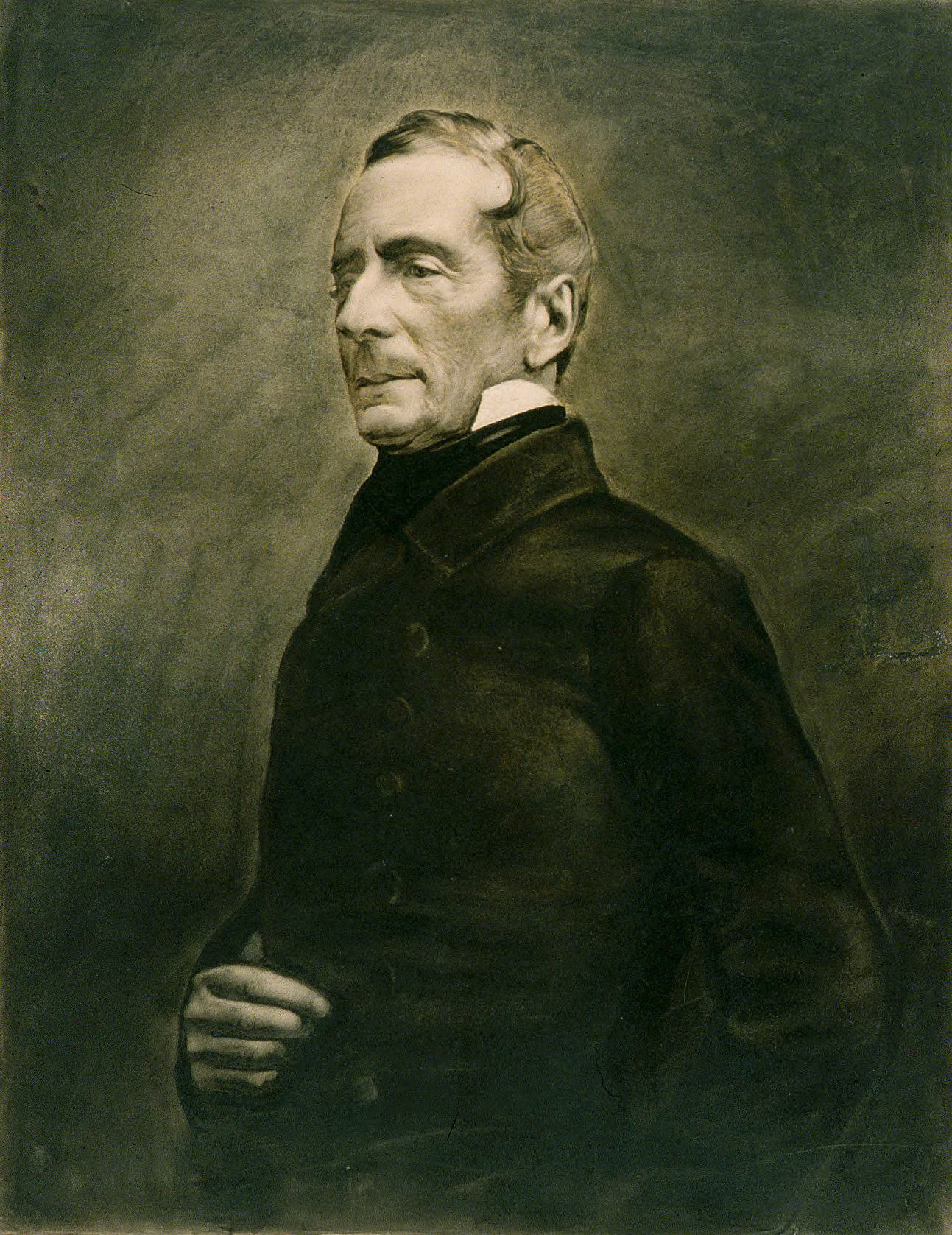
Alphonse de Lamartine, the celebrated Romantic poet and brief Foreign Minister of the 1848 French Republic, wrote this impassioned philosophical essay in the turbulent aftermath of that revolution. His argument is characteristically direct: democracy cannot survive without virtue, and virtue cannot exist without faith. Drawing on the French Revolution's bloody descent from idealism into the Terror, Lamartine contends that the rejection of divine moral law creates a vacuum that selfishness and cruelty rush to fill. He warns that an atheist society, stripped of accountability to any higher power, will inevitably collapse into despotism, because power itself becomes the only god remaining. What elevates this beyond mere polemic is Lamartine's genuine anguish. He is not simply defending religious tradition; he is mourning what he perceives as the spiritual bankruptcy of modern political life. His aristocratic sensibility and poetic gifts give the prose an elegiac quality, a elegy for a civilization he believes is slipping away. The essay remains unsettling because it asks a question liberal democracies have never fully settled: what actually prevents us from devouring each other?
Editions
Link to this book
Add a free, dofollow link to Lex on your blog, forum, syllabus, or reading list.

<a href="https://lex-books.com/book/atheism-among-the-people-5550f0f4-409f-4cf5-a778-96be920bcbd9"><img src="https://lex-books.com/badges/read-on-lex.svg" alt="Read Atheism Among the People by Alphonse de Lamartine free on Lex" width="160" height="40"></a>[](https://lex-books.com/book/atheism-among-the-people-5550f0f4-409f-4cf5-a778-96be920bcbd9)[url=https://lex-books.com/book/atheism-among-the-people-5550f0f4-409f-4cf5-a778-96be920bcbd9][img]https://lex-books.com/badges/read-on-lex.svg[/img][/url]Read Atheism Among the People by Alphonse de Lamartine free on Lex: https://lex-books.com/book/atheism-among-the-people-5550f0f4-409f-4cf5-a778-96be920bcbd9Cite this book
Reading this edition for a paper or guide? Copy a citation.
Lamartine, Alphonse de. Atheism Among the People. Lex, lex-books.com/book/atheism-among-the-people-5550f0f4-409f-4cf5-a778-96be920bcbd9.Lamartine, A. D. (1850). Atheism Among the People. Lex. https://lex-books.com/book/atheism-among-the-people-5550f0f4-409f-4cf5-a778-96be920bcbd9Lamartine, Alphonse de. Atheism Among the People. Lex. https://lex-books.com/book/atheism-among-the-people-5550f0f4-409f-4cf5-a778-96be920bcbd9.