Allan Nevins
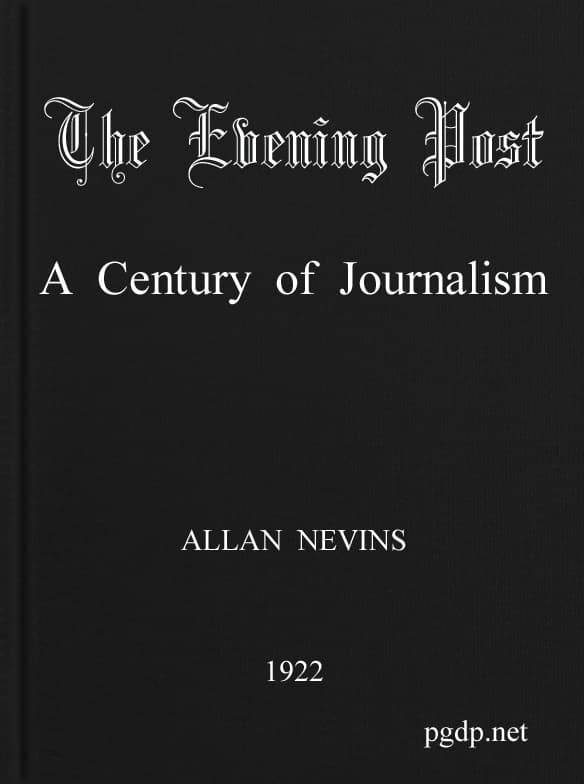
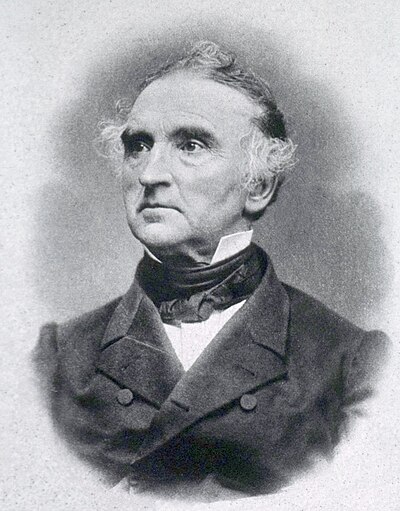
Allan Nevins was a prominent American historian and journalist, recognized for his significant contributions to the understanding of American history, particularly the Civil War era. His extensive body of work includes influential biographies of notable figures such as Grover Cleveland, Hamilton Fish, Henry Ford, and John D. Rockefeller. Nevins was a pioneering advocate for business history and oral history, emphasizing the importance of personal narratives in understanding historical events. His scholarly approach combined rigorous research with engaging storytelling, making complex historical subjects accessible to a broader audience. Throughout his career, Nevins served as a professor at Columbia University and was actively involved in public service, contributing to various historical organizations and initiatives. His works not only enriched the field of history but also provided insights into the interplay between business and politics in American society. By documenting the lives of influential figures and the events of their times, Nevins helped shape the narrative of American history, leaving a lasting legacy that continues to influence historians and readers alike.
Famous Quotes
View all 3 quotes“By 1846 no country in the world was so interesting to other nations as the United States; none attracted so many visitors with pen in hand and an observant gleam in the eye. Since Alexis de Tocqueville’s book had made such a noise on the continent of Europe and had been caught up by influential Liberals in England, the verdict had been more and more favorable.”
“The level attained by a nation in material well-being, education, public health, religion, morals, recreation, and literature may be high; and yet if disruptive tendencies are undermining the whole structure, it is in an unhappier position than some neighboring land whose culture and wealth may be inferior, but the trend of whose national life is upward.”
“Despite all its difficulties and errors, the country was steadily growing in economic power, cultural vigor, and social stability. In letters and science, the United States was already presenting the world with fruits in which it might take pride. In its economic development, a business enterprise of identifiably American type was beginning to emerge with technologies unlike those of Europe. In a hundred other fields, the initiative, self-reliance, and optimism of the people were writing a record of almost unexampled vigor and color. Energy, versatility, progressiveness — these were the traits of the young republic.”
Books from the author



Link to this page
Add a free, dofollow link to Lex on your blog, forum, syllabus, or reading list.

<a href="https://lex-books.com/author/allan-nevins"><img src="https://lex-books.com/badges/read-on-lex.svg" alt="Allan Nevins on Lex" width="160" height="40"></a>[](https://lex-books.com/author/allan-nevins)[url=https://lex-books.com/author/allan-nevins][img]https://lex-books.com/badges/read-on-lex.svg[/img][/url]Allan Nevins on Lex: https://lex-books.com/author/allan-nevins