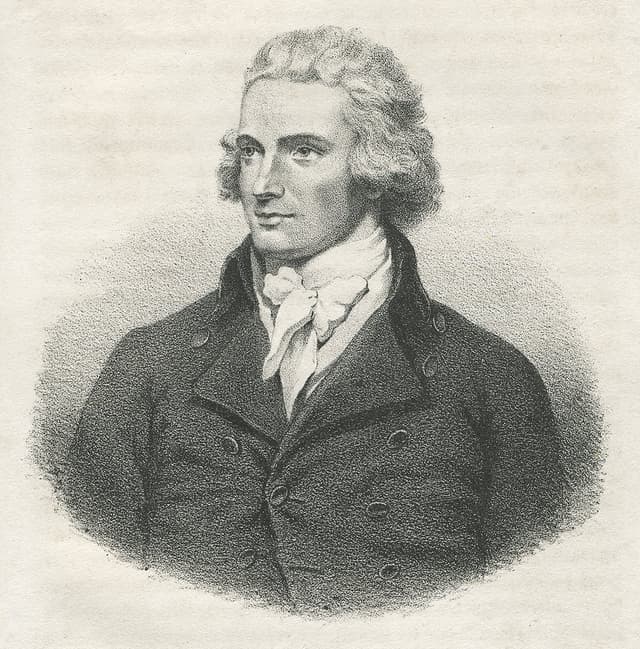
Mungo Park
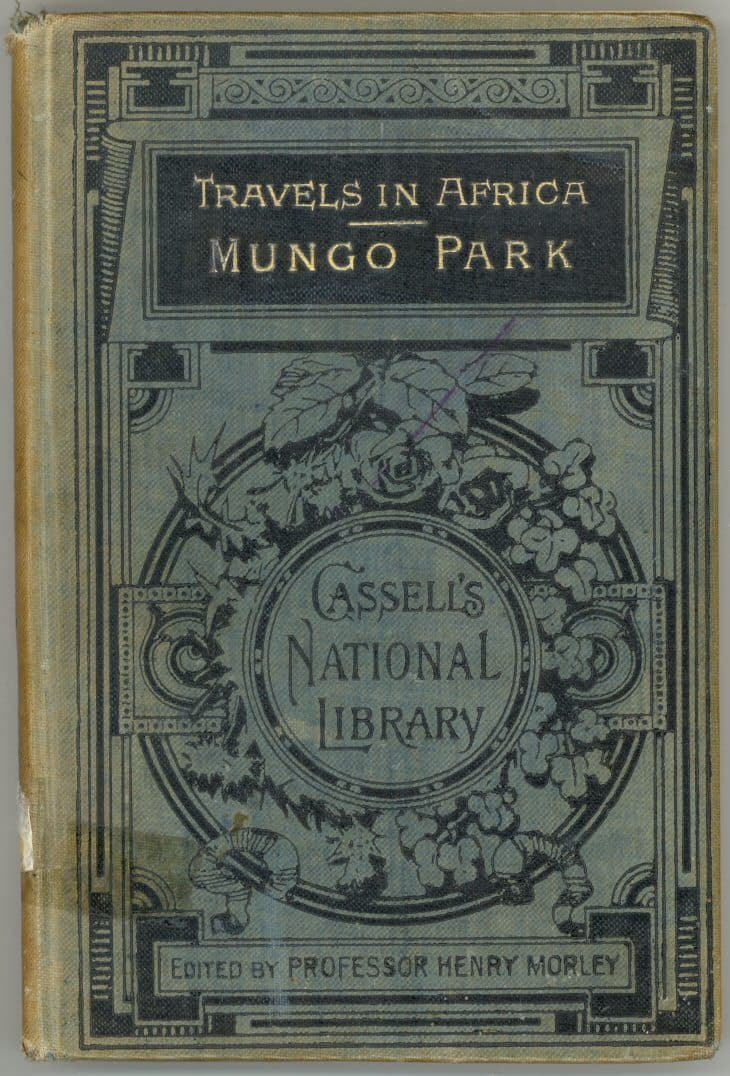
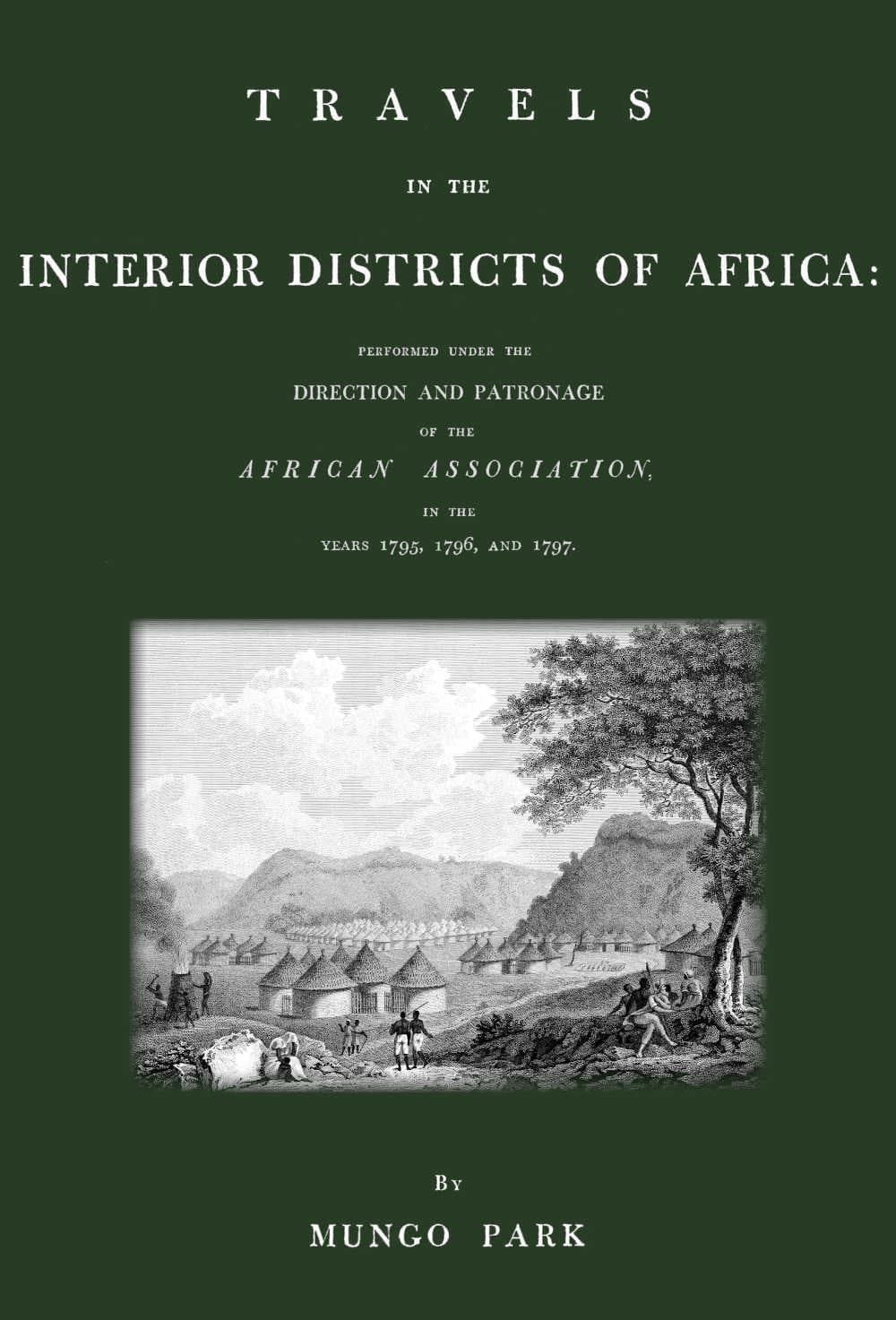
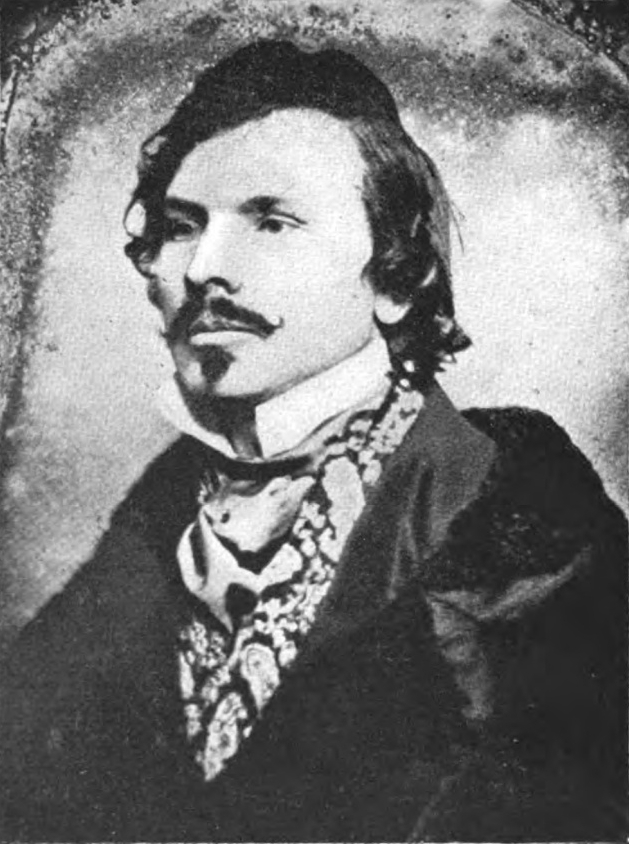
Mungo Park was a Scottish explorer and physician, renowned for his pioneering expeditions into the uncharted regions of West Africa in the late 18th century. His most significant works, 'Travels in the Interior of Africa' (1799) and 'The Journal of a Mission to the Interior of Africa' (1806), documented his journeys along the Niger River and provided one of the earliest European accounts of the African interior. Park's detailed observations of the geography, cultures, and peoples he encountered were groundbreaking, offering insights that were previously unknown to the Western world. His travels were marked by both adventure and hardship, including encounters with local tribes and the challenges of navigating the harsh African landscape. Park's legacy lies not only in his contributions to exploration but also in his role in shaping European perceptions of Africa. His writings influenced subsequent explorers and sparked interest in African geography and cultures. Despite facing significant dangers, including illness and hostility, Park's determination and curiosity drove him to explore regions that had remained largely unexplored by Europeans. His tragic death in 1806 during a later expedition underscored the perilous nature of exploration at the time, but his accounts continue to be a vital resource for understanding the complexities of Africa's history and the impact of European exploration on the continent.
Books from the author



Link to this page
Add a free, dofollow link to Lex on your blog, forum, syllabus, or reading list.

<a href="https://lex-books.com/author/mungo-park"><img src="https://lex-books.com/badges/read-on-lex.svg" alt="Mungo Park on Lex" width="160" height="40"></a>[](https://lex-books.com/author/mungo-park)[url=https://lex-books.com/author/mungo-park][img]https://lex-books.com/badges/read-on-lex.svg[/img][/url]Mungo Park on Lex: https://lex-books.com/author/mungo-park