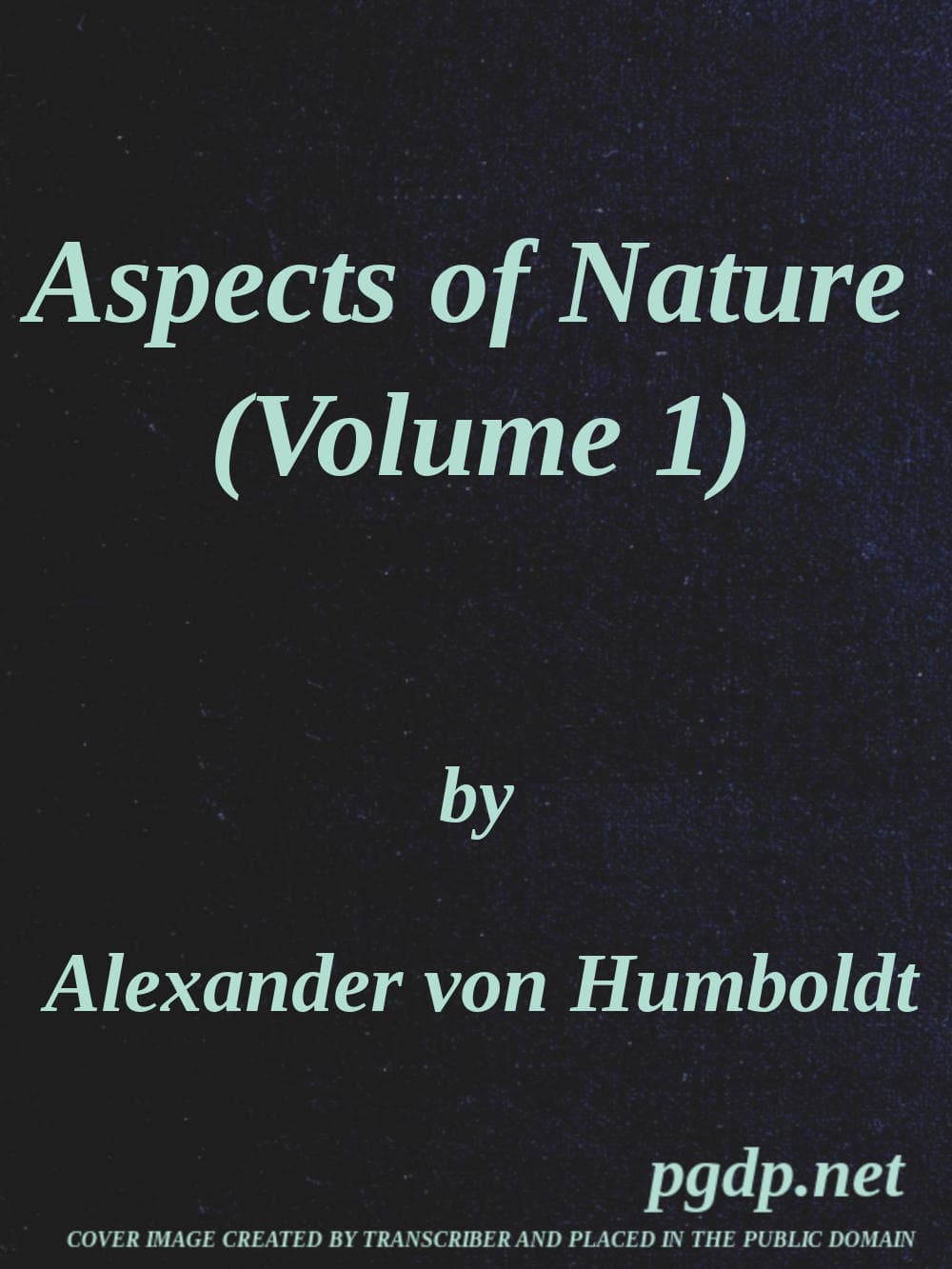
Personal Narrative of Travels to the Equinoctial Regions of America, During the Year 1799-1804 — Volume 1
Personal Narrative of Travels to the Equinoctial Regions of America, During the Year 1799-1804 — Volume 1
Translated by Thomasina Ross
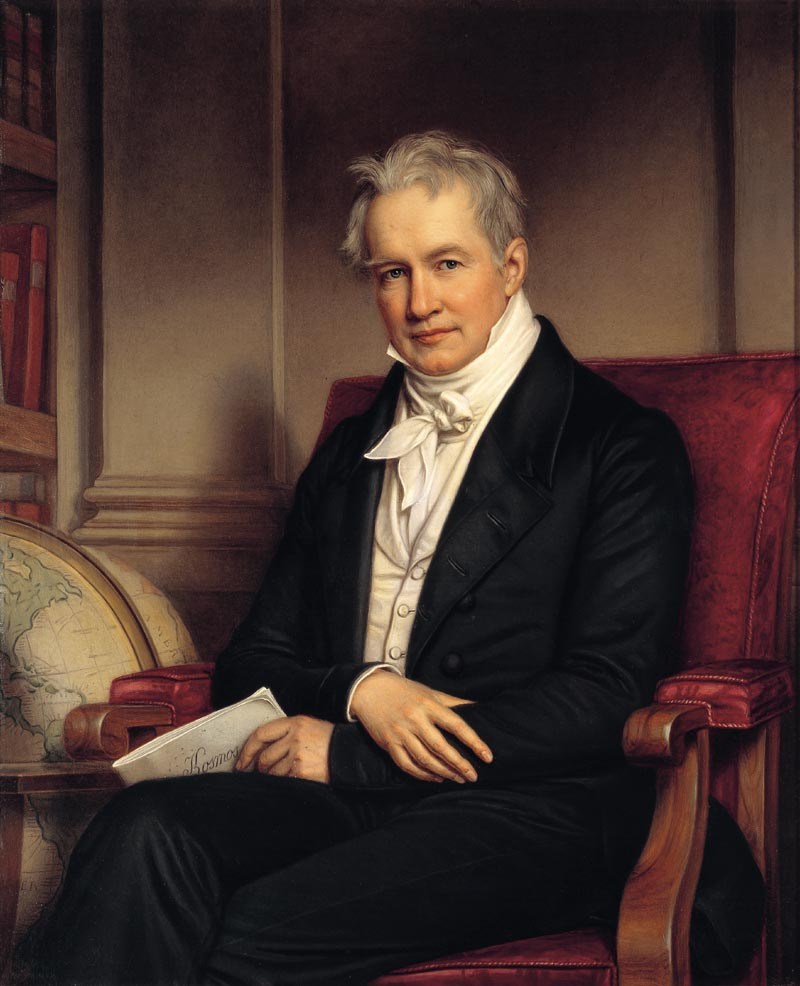
In an age when much of South America remained unmapped by European science, a young Prussian baron named Alexander von Humboldt set out to inventory the natural world itself. This is the first volume of his monumental account of a five-year expedition (1799-1804) that would redefine how we understand the planet. Armed with dozens of scientific instruments and driven by a radical vision, that nature is a web of interconnected forces, Humboldt and his companion Aimé Bonpland crossed the Orinoco, scaled the Andes, and documented more species and geological phenomena than any journey before it. This volume traces their voyage from Spain to the Canary Islands, then onward to Venezuela and Colombia, laying the groundwork for a new science of the earth. What emerges is not mere data collection but a profound argument: that to understand any part of nature, you must see it in relation to everything else. Darwin called Humboldt "the greatest scientific traveller ever." Two centuries later, this narrative remains the birth certificate of ecology and a damn good adventure.
Editions
X-Ray
“I saw with regret, (and all scientific men have shared this feeling) that whilst the number of accurate instruments was daily increasing, we were still ignorant””
— Alexander von Humboldt
“Nature has the appearance of greatness to man in proportion as she is veiled in mystery; and the ignorant are prone to put faith in everything that borders on the marvellous.””
— Alexander von Humboldt
Link to this book
Add a free, dofollow link to Lex on your blog, forum, syllabus, or reading list.

<a href="https://lex-books.com/book/personal-narrative-of-travels-to-the-equinoctial-regions-of-america-during-the-y-f7c180da-a0a2-4e3e-86fb-48618dec1e92"><img src="https://lex-books.com/badges/read-on-lex.svg" alt="Read Personal Narrative of Travels to the Equinoctial Regions of America, During the Year 1799-1804 — Volume 1 by Alexander von Humboldt free on Lex" width="160" height="40"></a>[](https://lex-books.com/book/personal-narrative-of-travels-to-the-equinoctial-regions-of-america-during-the-y-f7c180da-a0a2-4e3e-86fb-48618dec1e92)[url=https://lex-books.com/book/personal-narrative-of-travels-to-the-equinoctial-regions-of-america-during-the-y-f7c180da-a0a2-4e3e-86fb-48618dec1e92][img]https://lex-books.com/badges/read-on-lex.svg[/img][/url]Read Personal Narrative of Travels to the Equinoctial Regions of America, During the Year 1799-1804 — Volume 1 by Alexander von Humboldt free on Lex: https://lex-books.com/book/personal-narrative-of-travels-to-the-equinoctial-regions-of-america-during-the-y-f7c180da-a0a2-4e3e-86fb-48618dec1e92Cite this book
Reading this edition for a paper or guide? Copy a citation.
Humboldt, Alexander von. Personal Narrative of Travels to the Equinoctial Regions of America, During the Year 1799-1804 — Volume 1. Lex, lex-books.com/book/personal-narrative-of-travels-to-the-equinoctial-regions-of-america-during-the-y-f7c180da-a0a2-4e3e-86fb-48618dec1e92.Humboldt, A. V. (n.d.). Personal Narrative of Travels to the Equinoctial Regions of America, During the Year 1799-1804 — Volume 1. Lex. https://lex-books.com/book/personal-narrative-of-travels-to-the-equinoctial-regions-of-america-during-the-y-f7c180da-a0a2-4e3e-86fb-48618dec1e92Humboldt, Alexander von. Personal Narrative of Travels to the Equinoctial Regions of America, During the Year 1799-1804 — Volume 1. Lex. https://lex-books.com/book/personal-narrative-of-travels-to-the-equinoctial-regions-of-america-during-the-y-f7c180da-a0a2-4e3e-86fb-48618dec1e92.