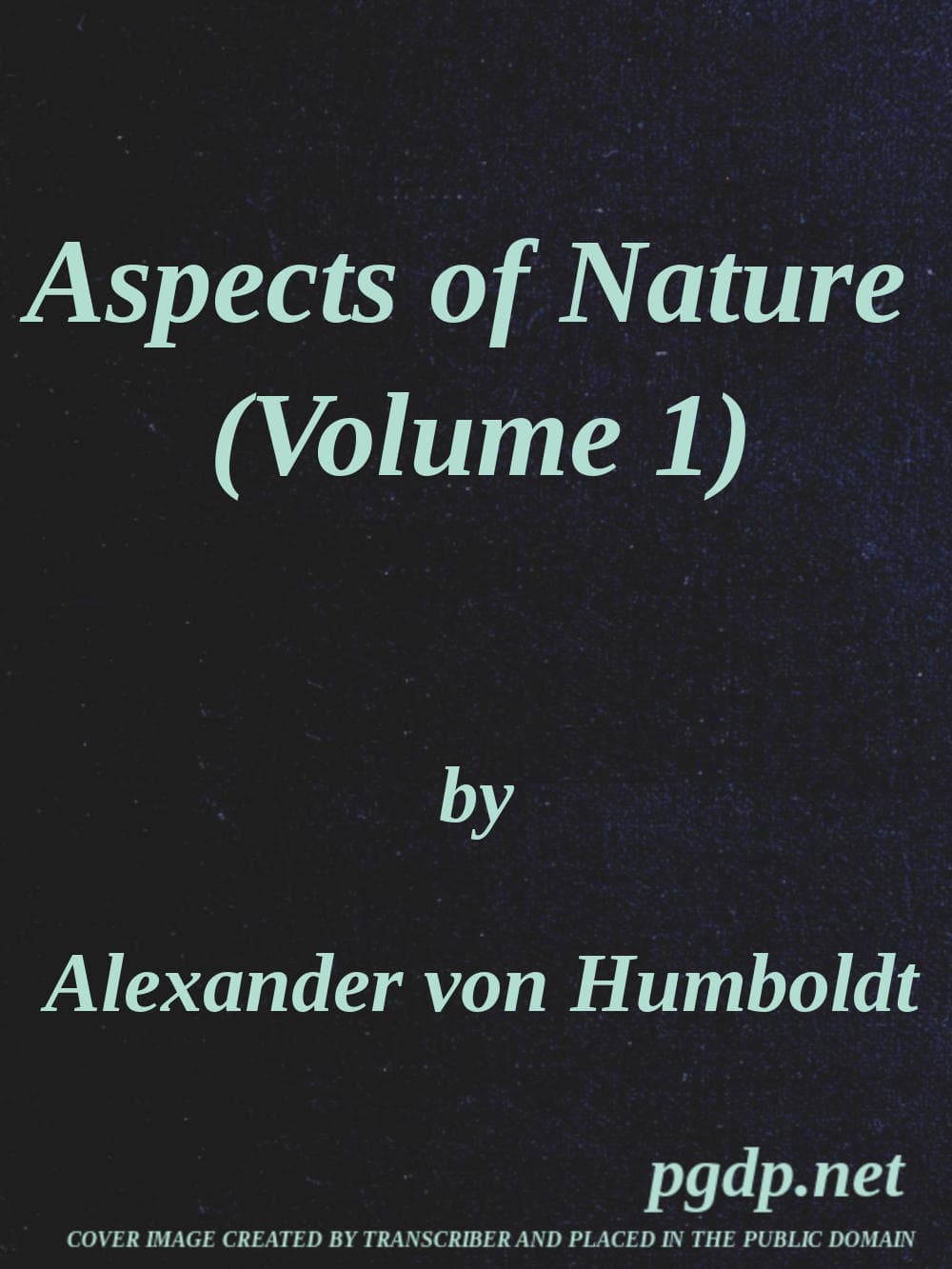
Cosmos: A Sketch of the Physical Description of the Universe, Vol. 1
Cosmos: A Sketch of the Physical Description of the Universe, Vol. 1
Translated by E. C. (Elise C.) Otté
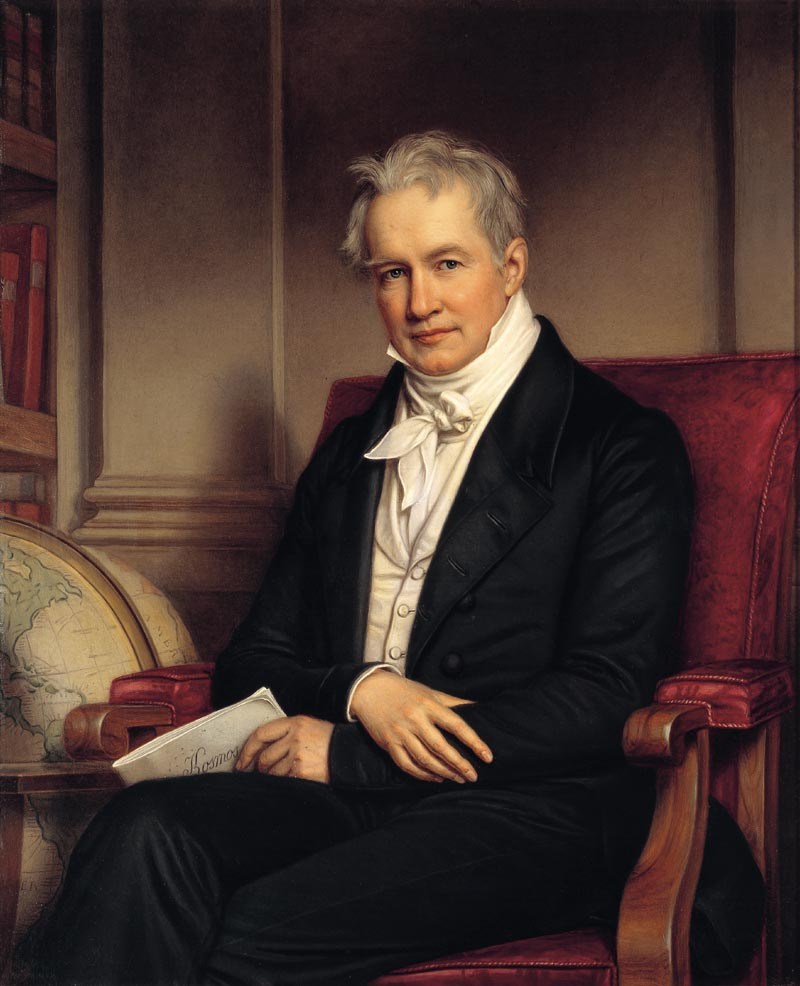
Before there was a single word for 'ecology' or 'environment,' there was Alexander von Humboldt. In this monumental work, first published in 1845, the great explorer and naturalist attempted something no one had dared: a unified description of everything in the physical universe, from the distant stars to the tiniest organisms on Earth. Volume One opens not with data, but with something rarer: a meditation on how humans experience wonder. Humboldt writes of the sublime pleasure in contemplating nature, of the intellectual journey that transforms raw observation into understanding. He traces the history of humanity's mapping of the heavens and the Earth, weaving together astronomy, geology, botany, and philosophy into a single seamless vision. This is not a textbook. It is a passionate argument that the universe is knowable, that all its phenomena are connected, and that the act of observing nature is itself a deeply human enterprise. Reading Humboldt is to encounter the mind that invented the idea of nature as an interconnected web, the intellectual ancestor of Darwin, Thoreau, and every environmental scientist who followed.
Editions

X-Ray
“For throughout history, the synthesizing impulse has proved a powerful even world-changing, tool for understanding the universe, capable of penetrating the intricate,contradictory web of surface phenomena to reveal the universal,unified cosmos beneath--that fundamental,unchanging phenomenon we call truth.””
— Alexander von Humboldt
Link to this book
Add a free, dofollow link to Lex on your blog, forum, syllabus, or reading list.

<a href="https://lex-books.com/book/cosmos-a-sketch-of-the-physical-description-of-the-universe-vol-1-c0593539-83ed-453a-aca9-3945861186e7"><img src="https://lex-books.com/badges/read-on-lex.svg" alt="Read Cosmos: A Sketch of the Physical Description of the Universe, Vol. 1 by Alexander von Humboldt free on Lex" width="160" height="40"></a>[](https://lex-books.com/book/cosmos-a-sketch-of-the-physical-description-of-the-universe-vol-1-c0593539-83ed-453a-aca9-3945861186e7)[url=https://lex-books.com/book/cosmos-a-sketch-of-the-physical-description-of-the-universe-vol-1-c0593539-83ed-453a-aca9-3945861186e7][img]https://lex-books.com/badges/read-on-lex.svg[/img][/url]Read Cosmos: A Sketch of the Physical Description of the Universe, Vol. 1 by Alexander von Humboldt free on Lex: https://lex-books.com/book/cosmos-a-sketch-of-the-physical-description-of-the-universe-vol-1-c0593539-83ed-453a-aca9-3945861186e7Cite this book
Reading this edition for a paper or guide? Copy a citation.
Humboldt, Alexander von. Cosmos: A Sketch of the Physical Description of the Universe, Vol. 1. Lex, lex-books.com/book/cosmos-a-sketch-of-the-physical-description-of-the-universe-vol-1-c0593539-83ed-453a-aca9-3945861186e7.Humboldt, A. V. (n.d.). Cosmos: A Sketch of the Physical Description of the Universe, Vol. 1. Lex. https://lex-books.com/book/cosmos-a-sketch-of-the-physical-description-of-the-universe-vol-1-c0593539-83ed-453a-aca9-3945861186e7Humboldt, Alexander von. Cosmos: A Sketch of the Physical Description of the Universe, Vol. 1. Lex. https://lex-books.com/book/cosmos-a-sketch-of-the-physical-description-of-the-universe-vol-1-c0593539-83ed-453a-aca9-3945861186e7.