Aleksandr Nikolaevich Ostrovsky
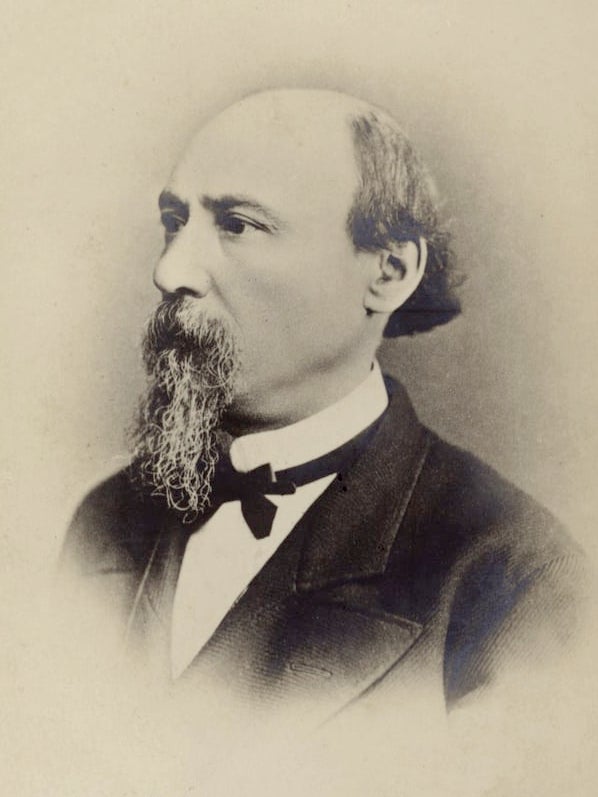
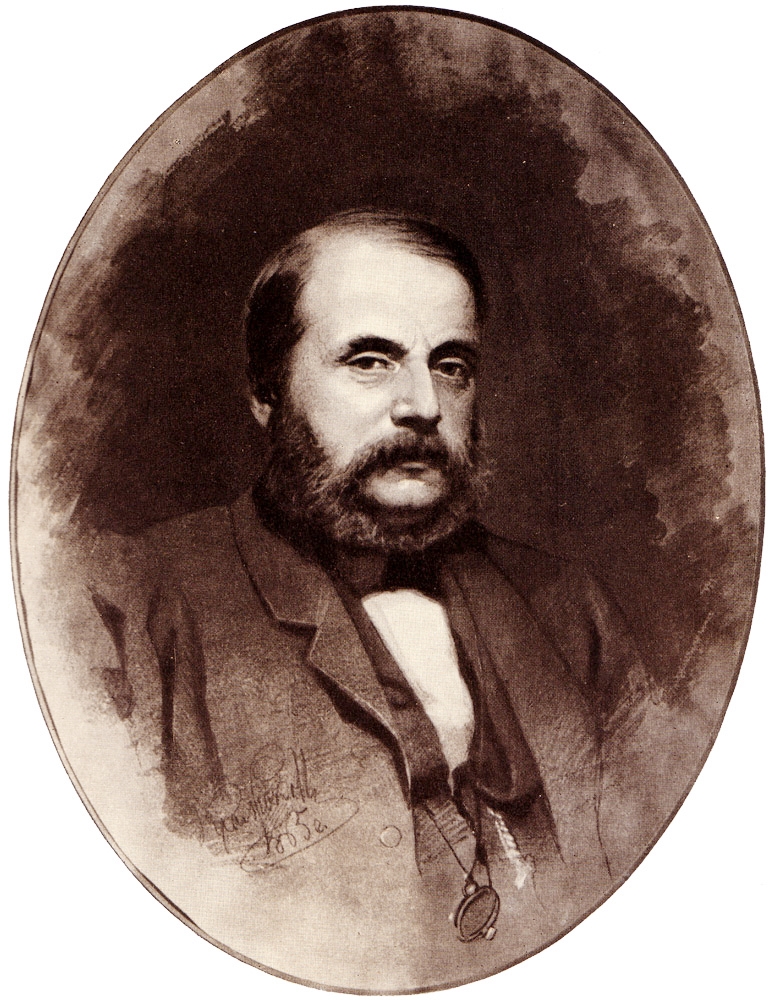
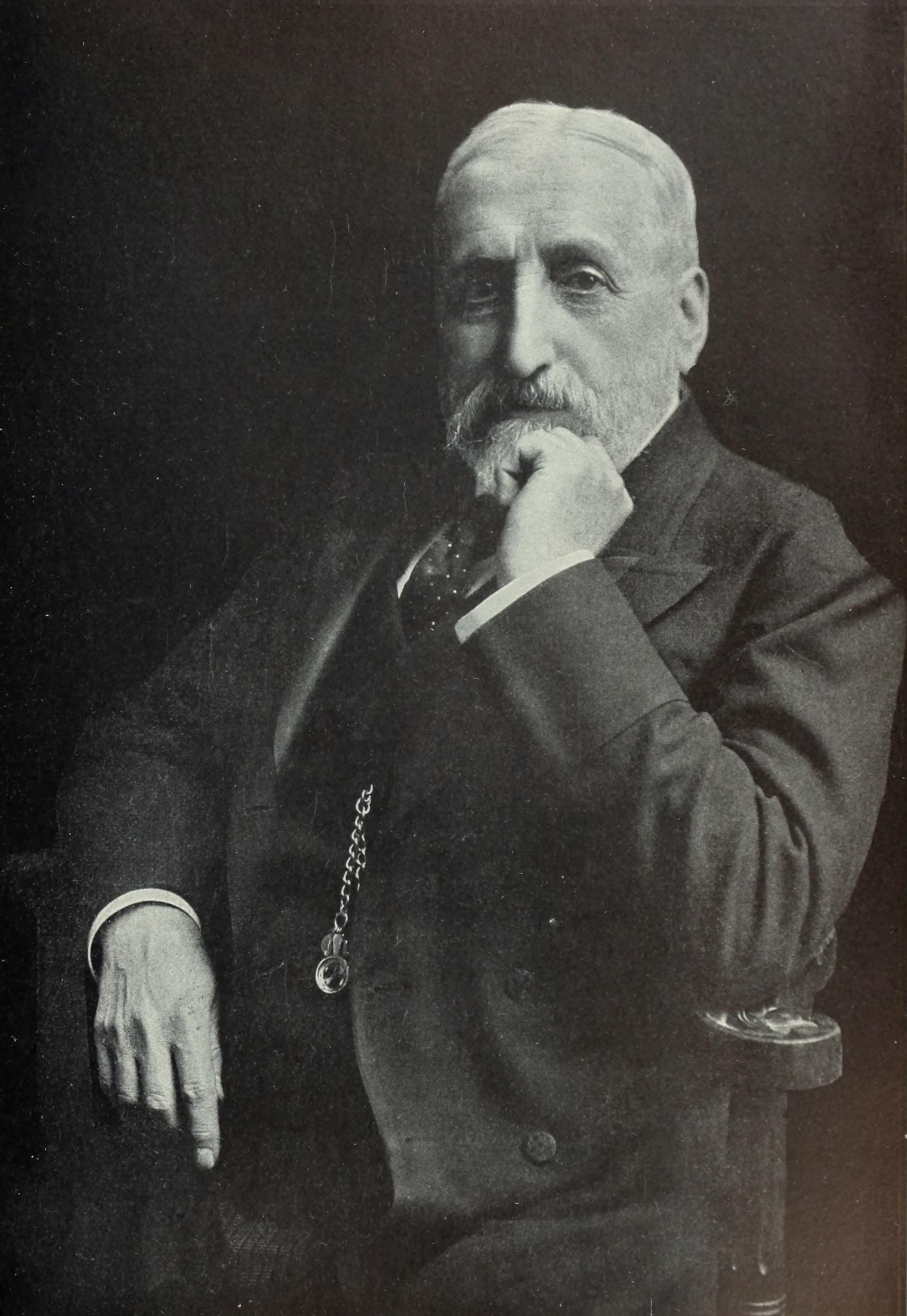
Aleksandr Nikolaevich Ostrovsky was a pivotal figure in Russian literature, renowned for his contributions to the development of Russian drama during the realistic period. Born in 1823, he wrote 47 original plays, establishing a national repertoire that reflected the complexities of Russian society. His works often explored themes of social injustice, the struggles of the individual against societal norms, and the intricacies of human relationships. Notable plays such as 'The Storm' and 'The Forest' showcased his ability to blend realism with deep psychological insight, making his characters relatable and their conflicts poignant. Ostrovsky's significance lies not only in his prolific output but also in his role as a cultural touchstone in Russia. He was instrumental in shaping the theatrical landscape, influencing subsequent generations of playwrights and actors. His commitment to portraying the lives of ordinary people and the moral dilemmas they faced resonated deeply with audiences, ensuring that his works remained relevant long after his death in 1886. Today, Ostrovsky is celebrated as a foundational figure in Russian theater, whose legacy continues to impact the arts in Russia and beyond.
Books from the author


Link to this page
Add a free, dofollow link to Lex on your blog, forum, syllabus, or reading list.

<a href="https://lex-books.com/author/aleksandr-nikolaevich-ostrovsky"><img src="https://lex-books.com/badges/read-on-lex.svg" alt="Aleksandr Nikolaevich Ostrovsky on Lex" width="160" height="40"></a>[](https://lex-books.com/author/aleksandr-nikolaevich-ostrovsky)[url=https://lex-books.com/author/aleksandr-nikolaevich-ostrovsky][img]https://lex-books.com/badges/read-on-lex.svg[/img][/url]Aleksandr Nikolaevich Ostrovsky on Lex: https://lex-books.com/author/aleksandr-nikolaevich-ostrovsky