
Mikhail Iurevich Lermontov
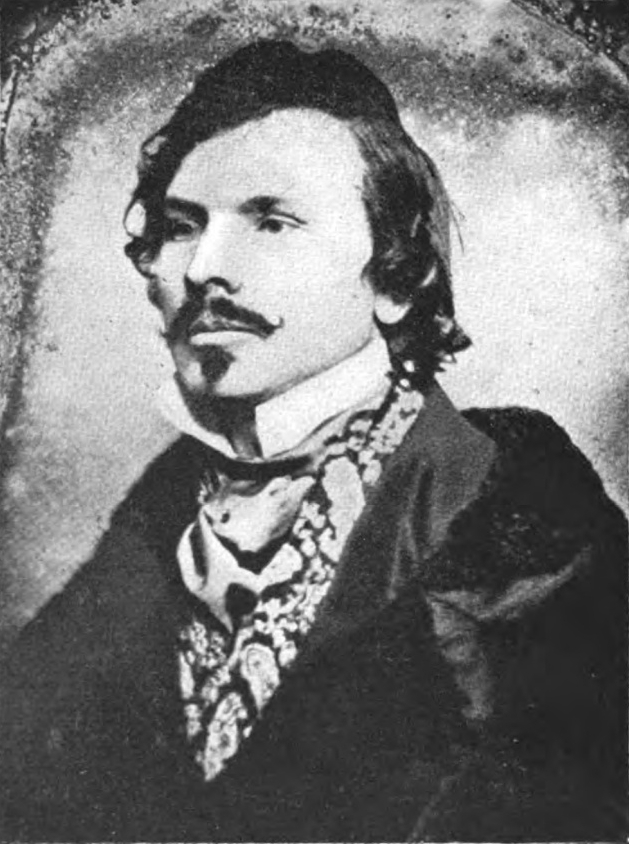
Mikhail Iurevich Lermontov was a pivotal figure in Russian literature, often hailed as the greatest poet after Alexander Pushkin. Born in Tarkhany, he received a robust education from his grandmother, which fostered his talents in languages, music, and painting. However, his fragile health and emotional struggles shaped him into a solitary and introspective individual. Lermontov's literary career began in earnest while studying at Moscow University, where he was influenced by the works of Pushkin and Lord Byron. His early poetry garnered attention, but it was his bold and controversial piece, "Death of the Poet," written in response to Pushkin's death, that catapulted him to fame and resulted in his first exile to the Caucasus. During his time in the Caucasus, Lermontov produced some of his most significant works, including the novel "A Hero of Our Time," which is credited with laying the groundwork for the Russian psychological novel. His writing is characterized by deep psychological insight and a profound exploration of the human condition, reflecting the tumultuous spirit of Romanticism. Despite his brief life, cut short by a duel at the age of 26, Lermontov's legacy endures, influencing generations of writers and poets. His unique voice and innovative approach to literature established him as a cornerstone of Russian Romanticism, earning him the title of "the poet of the Caucasus."
Books from the author




Link to this page
Add a free, dofollow link to Lex on your blog, forum, syllabus, or reading list.

<a href="https://lex-books.com/author/mikhail-iurevich-lermontov"><img src="https://lex-books.com/badges/read-on-lex.svg" alt="Mikhail Iurevich Lermontov on Lex" width="160" height="40"></a>[](https://lex-books.com/author/mikhail-iurevich-lermontov)[url=https://lex-books.com/author/mikhail-iurevich-lermontov][img]https://lex-books.com/badges/read-on-lex.svg[/img][/url]Mikhail Iurevich Lermontov on Lex: https://lex-books.com/author/mikhail-iurevich-lermontov