A. Sukhovo-Kobylin
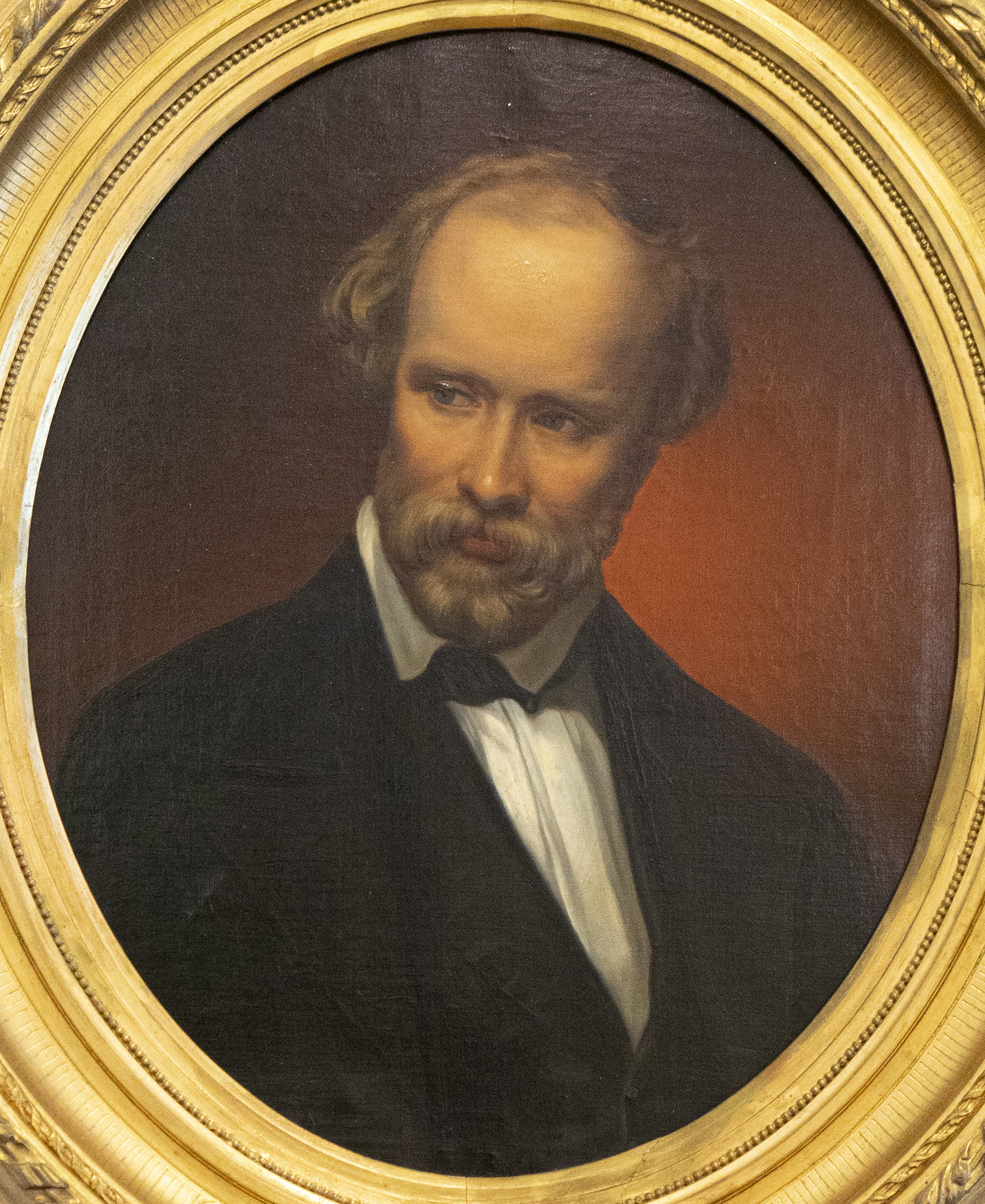
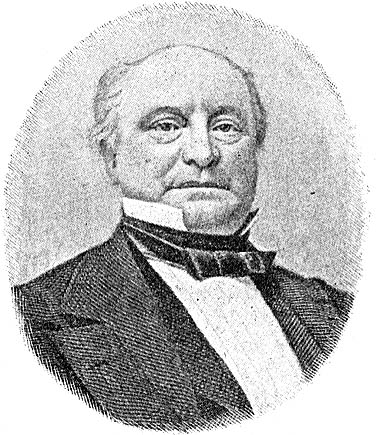
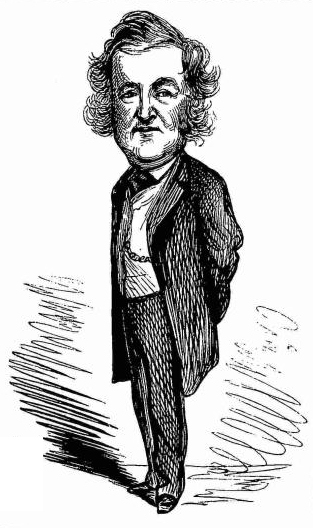
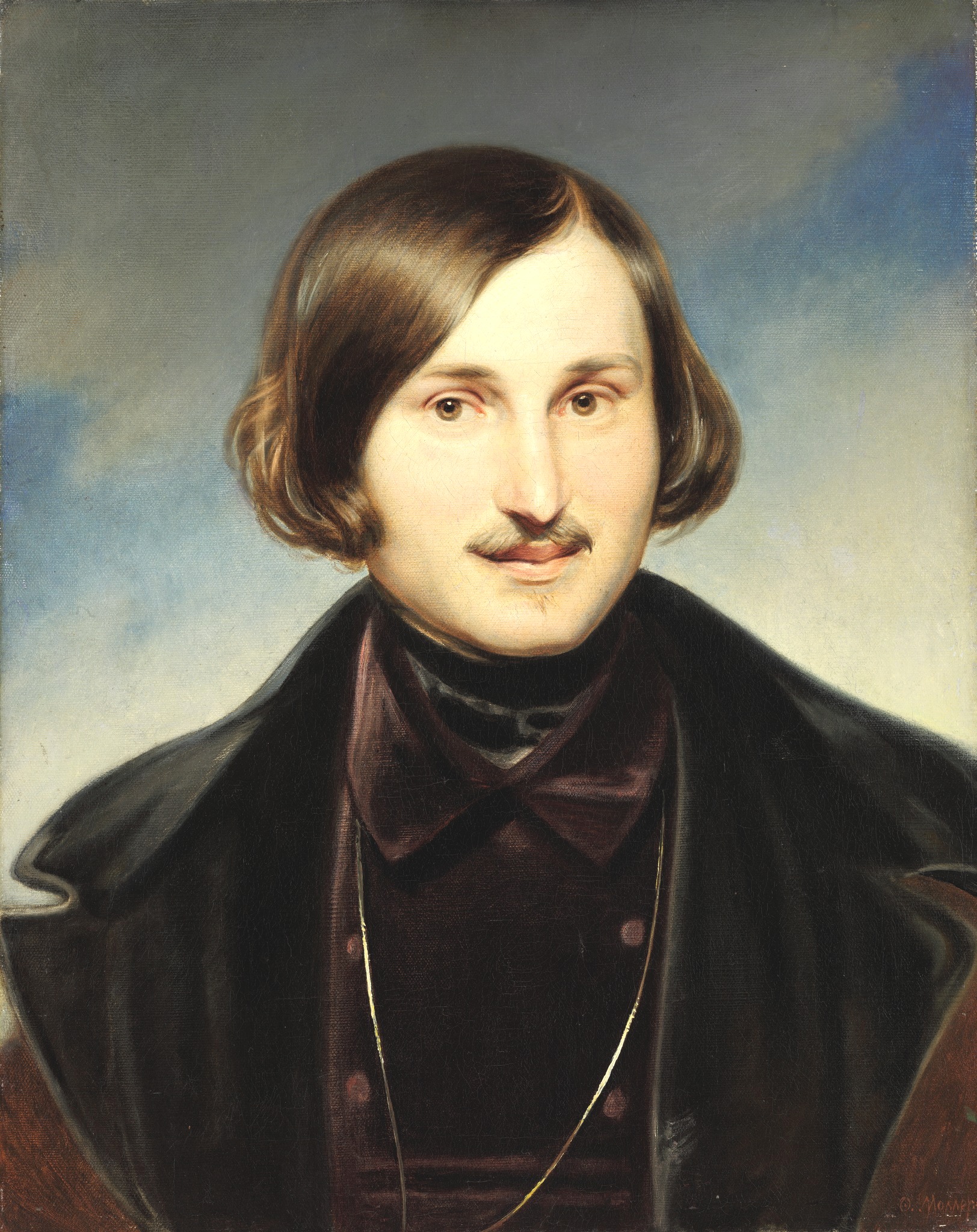
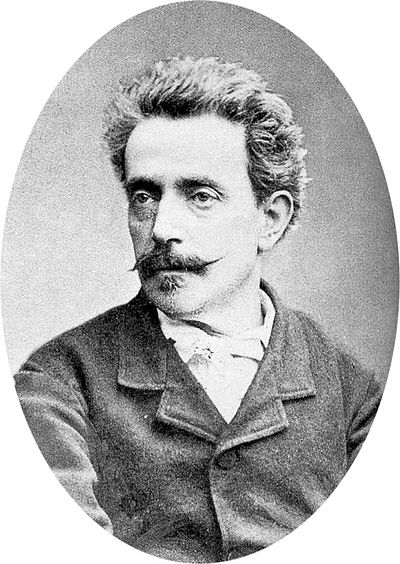
A. Sukhovo-Kobylin was a prominent Russian playwright and novelist, known for his innovative contributions to Russian theater in the 19th century. Born into a noble family, he initially pursued a career in law before turning to literature, where he found his true calling. His works often explored themes of social injustice, the complexities of human nature, and the moral dilemmas faced by individuals in a rapidly changing society. Sukhovo-Kobylin's most notable plays, such as "The Death of Tarelkin" and "The Marriage of Bal'zaminov," are characterized by their sharp wit and satirical commentary on the bureaucratic and social issues of his time. Sukhovo-Kobylin's significance lies not only in his theatrical innovations but also in his ability to blend elements of realism with psychological depth. His works were among the first to incorporate a modernist approach to character development, paving the way for future Russian dramatists. Despite facing criticism and censorship during his lifetime, his legacy endured, influencing later generations of playwrights and writers. Today, A. Sukhovo-Kobylin is remembered as a key figure in the evolution of Russian drama, whose insights into human behavior and society continue to resonate in contemporary literature.
Books from the author



Link to this page
Add a free, dofollow link to Lex on your blog, forum, syllabus, or reading list.

<a href="https://lex-books.com/author/a-sukhovo-kobylin"><img src="https://lex-books.com/badges/read-on-lex.svg" alt="A. Sukhovo-Kobylin on Lex" width="160" height="40"></a>[](https://lex-books.com/author/a-sukhovo-kobylin)[url=https://lex-books.com/author/a-sukhovo-kobylin][img]https://lex-books.com/badges/read-on-lex.svg[/img][/url]A. Sukhovo-Kobylin on Lex: https://lex-books.com/author/a-sukhovo-kobylin