
Achille Loria
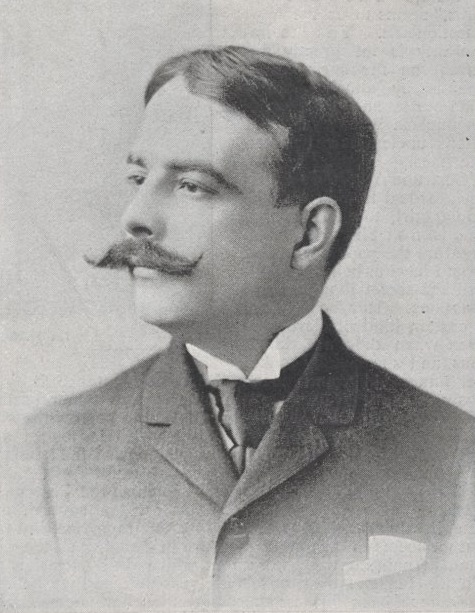
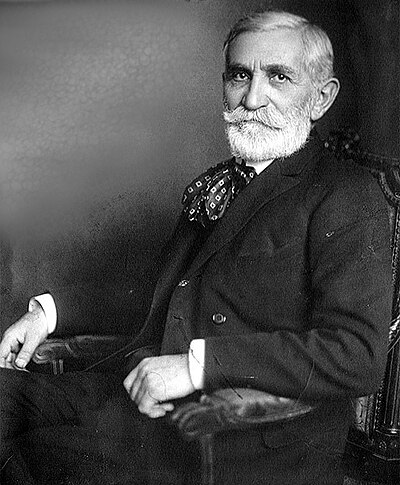
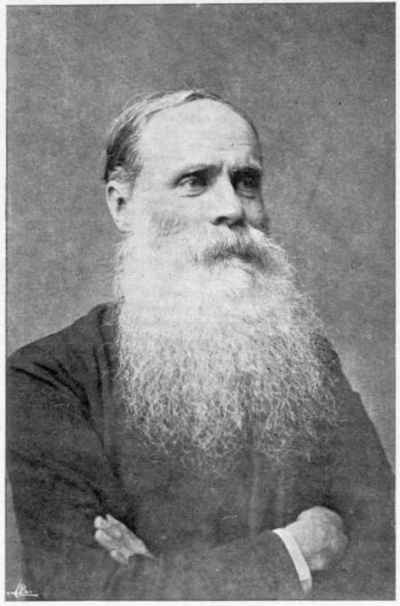
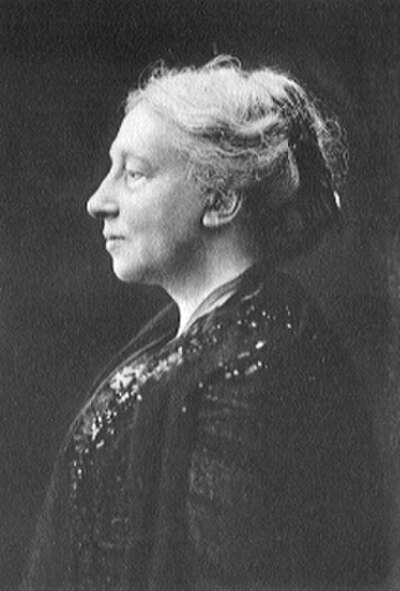
Achille Loria was an influential Italian political economist whose work significantly shaped the field of economic theory in the early 20th century. Educated at prestigious institutions across Europe, including the University of Bologna, Loria became a professor of political economy at various universities, notably in Siena, Padua, and Torino. His academic career was marked by a profound engagement with the ideas of prominent thinkers such as Karl Marx, Herbert Spencer, and Charles Darwin, which he synthesized into his original deterministic theory of economic development. This theory posited that the relative scarcity of land leads to social stratification and the subjugation of certain groups, a concept he explored in depth through numerous publications that gained international recognition and translation. Loria's contributions extended beyond economic theory; he was an early critic of Marxist ideology, facing ridicule from contemporaries like Friedrich Engels and Antonio Gramsci. His work not only influenced interpretations of American history but also laid the groundwork for socio-legal studies, marking him as a pioneering figure in this interdisciplinary field. Elected to the Accademia dei Licei and appointed to the Italian Senate, Loria's legacy endures through his innovative approaches to understanding the dynamics of society and economy, making him a notable figure in the evolution of political economy.
Books from the author






Link to this page
Add a free, dofollow link to Lex on your blog, forum, syllabus, or reading list.

<a href="https://lex-books.com/author/achille-loria"><img src="https://lex-books.com/badges/read-on-lex.svg" alt="Achille Loria on Lex" width="160" height="40"></a>[](https://lex-books.com/author/achille-loria)[url=https://lex-books.com/author/achille-loria][img]https://lex-books.com/badges/read-on-lex.svg[/img][/url]Achille Loria on Lex: https://lex-books.com/author/achille-loria