To Whom This May Come: 1898
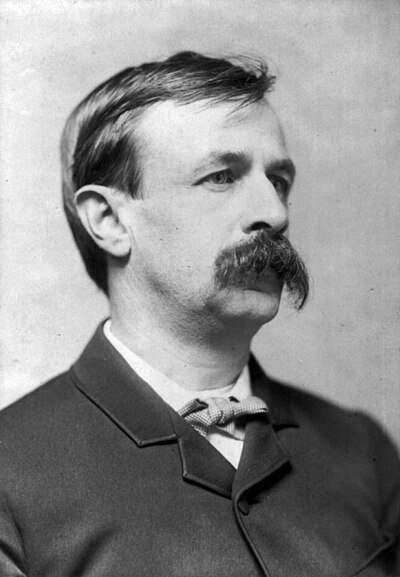
A shipwrecked sailor washes ashore on a remote archipelago inhabited by people who have lost the ability to speak but gained something far more extraordinary: the power to read minds. In this utopian society descended from persecuted telepaths, understanding comes not from words but from direct thought-transference, and empathy is not learned but inherent. The sailor must abandon language entirely to belong, falling in love as he learns to inhabit a world where every mind is an open book. Yet Bellamy, that great architect of utopian visions, delivers here something darker than his famous Looking Backward: a meditation on whether perfect understanding can shield us from loss, or whether the deepest human experiences remain stubbornly beyond even the most intimate connection. The tragedy that unfolds suggests that knowing another person's thoughts completely may be both the greatest gift and the cruelest burden. Written in 1889, this short story predates Bellamy's masterpiece but explores the same obsession with what humanity might become, now rendered intimate and achingly personal.
Editions
Link to this book
Add a free, dofollow link to Lex on your blog, forum, syllabus, or reading list.

<a href="https://lex-books.com/book/to-whom-this-may-come-1898-5340f840-7a02-45d7-b3f2-82e124cf4e40"><img src="https://lex-books.com/badges/read-on-lex.svg" alt="Read To Whom This May Come: 1898 by Edward Bellamy free on Lex" width="160" height="40"></a>[](https://lex-books.com/book/to-whom-this-may-come-1898-5340f840-7a02-45d7-b3f2-82e124cf4e40)[url=https://lex-books.com/book/to-whom-this-may-come-1898-5340f840-7a02-45d7-b3f2-82e124cf4e40][img]https://lex-books.com/badges/read-on-lex.svg[/img][/url]Read To Whom This May Come: 1898 by Edward Bellamy free on Lex: https://lex-books.com/book/to-whom-this-may-come-1898-5340f840-7a02-45d7-b3f2-82e124cf4e40Cite this book
Reading this edition for a paper or guide? Copy a citation.
Bellamy, Edward. To Whom This May Come: 1898. Lex, lex-books.com/book/to-whom-this-may-come-1898-5340f840-7a02-45d7-b3f2-82e124cf4e40.Bellamy, E. (n.d.). To Whom This May Come: 1898. Lex. https://lex-books.com/book/to-whom-this-may-come-1898-5340f840-7a02-45d7-b3f2-82e124cf4e40Bellamy, Edward. To Whom This May Come: 1898. Lex. https://lex-books.com/book/to-whom-this-may-come-1898-5340f840-7a02-45d7-b3f2-82e124cf4e40.