The Peasants, [Vol. 4]: Summer
1909
![The Peasants, [Vol. 4]: Summer](/_next/image?url=https%3A%2F%2Fd3b2n8gj62qnwr.cloudfront.net%2FCOVERS%2Fgutenberg_covers75k%2Febook-76329.png&w=3840&q=80)
The Peasants, [Vol. 4]: Summer
1909
Translated by Michael Henry Dziewicki
The fourth volume of Reymont's masterpiece opens with death: old Boryna lies dead in his fields, discovered by his dog, and the whole village mobilizes to mourn him. But grief mingles with calculation as Hanka, his daughter-in-law, calculates what the death means for land and power. This is Reymont's genius - the sacred and the transactional, the communal and the predatory, constantly intertwined. Summer arrives like a fever. The feast of Saints Peter and Paul transforms Lipka into a theater of desire and display. The seminarian returns and sets hearts ablaze. Young people court and clash beneath the summer sky while the Squire circles, negotiating forest rights, and the priest scolds his flock for sins they'll commit again by Sunday. This is a world where desire and dread coexist, where land means survival, where a daughter's shame (her father begging among the dziads) coexists with the communal feast. Reymont renders peasant life with the epic sweep of an opera and the psychological precision of a naturalist - you will recognize these people, their ambitions and cruelties, their stubborn dignity and blind spots. Summer burns hot in Lipka, and so do the hearts within it.
Editions
![The Peasants, [Vol. 4]: Summer](/_next/image?url=https%3A%2F%2Fd3b2n8gj62qnwr.cloudfront.net%2FCOVERS%2Fgutenberg_covers75k%2Febook-76329.png&w=96&q=75)
X-Ray
“For you, I’d do even more,’ she whispered, overcome with happiness at the praise.””
— Władysław Stanisław Reymont
“So 'twas I who pursued your man, was it? Yet there is none but knows how I always drove him from me! How, like a cur, he would whine outside my door, that he might have but the mere sight of a shoe of mine!”
— Władysław Stanisław Reymont
“True, now and again, out of sheer bitterness, I let my tongue wag; but there is something else at the bottom of my heart that makes me, willy nilly, rejoice or grieve with other folk. Nay, one cannot live quite separated from all.””
— Władysław Stanisław Reymont
“Dzień wstawał leniwie, stężały od chłodu i cały w stronach i w bolesnej cichości ziemi zamierającej; słońce blade i ciężkie wykwitało z głębin wieńca wron i kawek, co się zrywały gdzieś znad zórz, leciały nisko nad polami i krakały głucho, długo, żałośnie… a za nimi biegł ostry, zimny wiatr, mącił wody stężałe u rwał ostatnie liście topolom pochylonym nad drogami, że spływały cicho niby łzy - krwawe łzy umarłego lata, i padały ciężko na ziemię.””
— Władysław Stanisław Reymont
Link to this book
Add a free, dofollow link to Lex on your blog, forum, syllabus, or reading list.
![Read The Peasants, [Vol. 4]: Summer by Władysław Stanisław Reymont free on Lex](/badges/read-on-lex.svg)
<a href="https://lex-books.com/book/the-peasants-vol-4-summer-5ae46494-c4ac-4fcb-b1d7-155934ce50ac"><img src="https://lex-books.com/badges/read-on-lex.svg" alt="Read The Peasants, [Vol. 4]: Summer by Władysław Stanisław Reymont free on Lex" width="160" height="40"></a>[![Read The Peasants, [Vol. 4]: Summer by Władysław Stanisław Reymont free on Lex](https://lex-books.com/badges/read-on-lex.svg)](https://lex-books.com/book/the-peasants-vol-4-summer-5ae46494-c4ac-4fcb-b1d7-155934ce50ac)[url=https://lex-books.com/book/the-peasants-vol-4-summer-5ae46494-c4ac-4fcb-b1d7-155934ce50ac][img]https://lex-books.com/badges/read-on-lex.svg[/img][/url]Read The Peasants, [Vol. 4]: Summer by Władysław Stanisław Reymont free on Lex: https://lex-books.com/book/the-peasants-vol-4-summer-5ae46494-c4ac-4fcb-b1d7-155934ce50acCite this book
Reading this edition for a paper or guide? Copy a citation.
Reymont, Władysław Stanisław. The Peasants, [Vol. 4]: Summer. Lex, lex-books.com/book/the-peasants-vol-4-summer-5ae46494-c4ac-4fcb-b1d7-155934ce50ac.Reymont, W. S. (1909). The Peasants, [Vol. 4]: Summer. Lex. https://lex-books.com/book/the-peasants-vol-4-summer-5ae46494-c4ac-4fcb-b1d7-155934ce50acReymont, Władysław Stanisław. The Peasants, [Vol. 4]: Summer. Lex. https://lex-books.com/book/the-peasants-vol-4-summer-5ae46494-c4ac-4fcb-b1d7-155934ce50ac.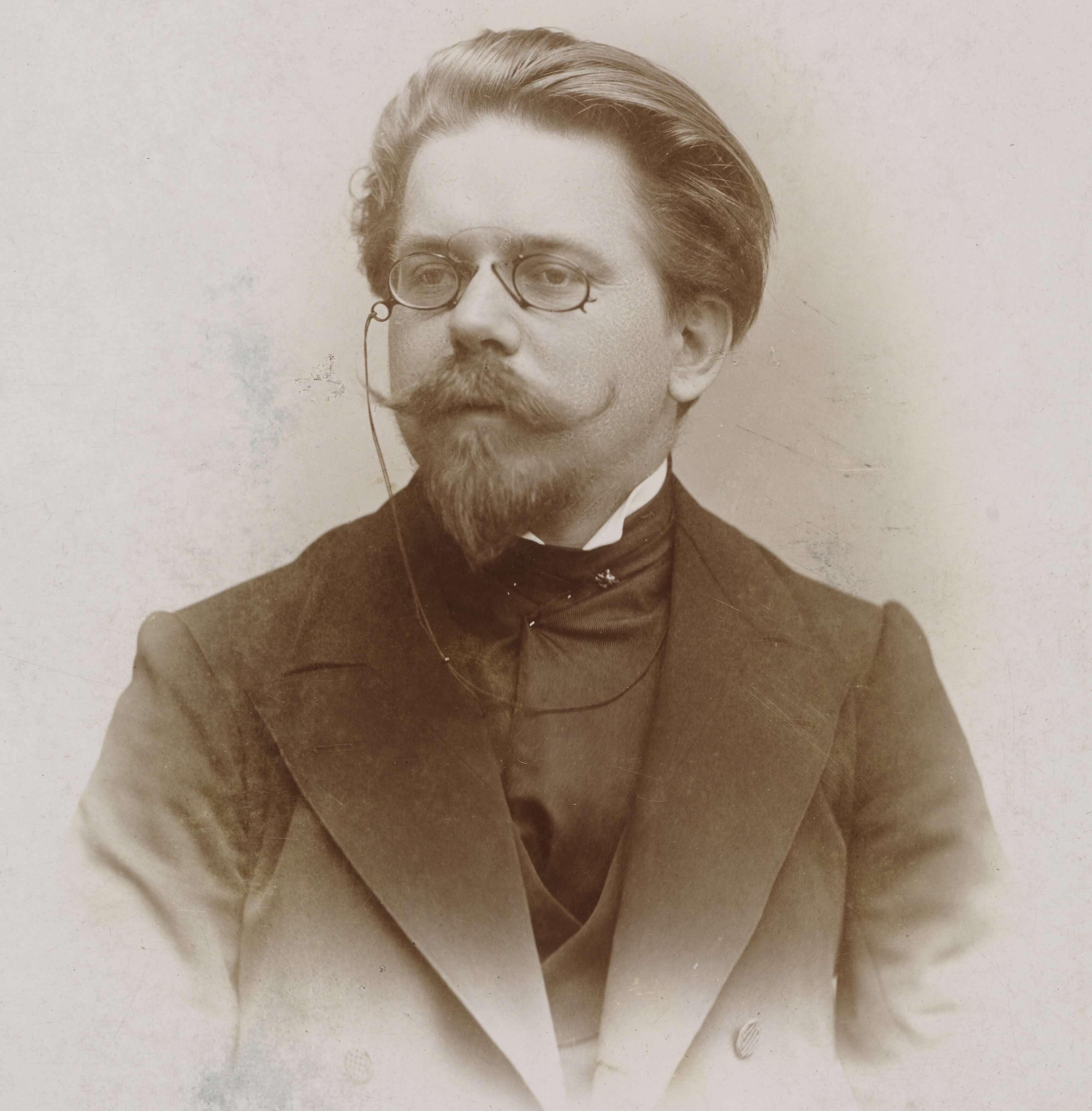
![The Peasants, [Vol. 1]: Autumn](/_next/image?url=https%3A%2F%2Fd3b2n8gj62qnwr.cloudfront.net%2FCOVERS%2Fgutenberg_covers75k%2Febook-75846.png&w=3840&q=75)
![The Peasants, [Vol. 2]: Winter](/_next/image?url=https%3A%2F%2Fd3b2n8gj62qnwr.cloudfront.net%2FCOVERS%2Fgutenberg_covers75k%2Febook-76328.png&w=3840&q=75)
![The Peasants, [Vol. 3]: Spring](/_next/image?url=https%3A%2F%2Fd3b2n8gj62qnwr.cloudfront.net%2FCOVERS%2Fgutenberg_covers75k%2Febook-76330.png&w=3840&q=75)