
Władysław Stanisław Reymont
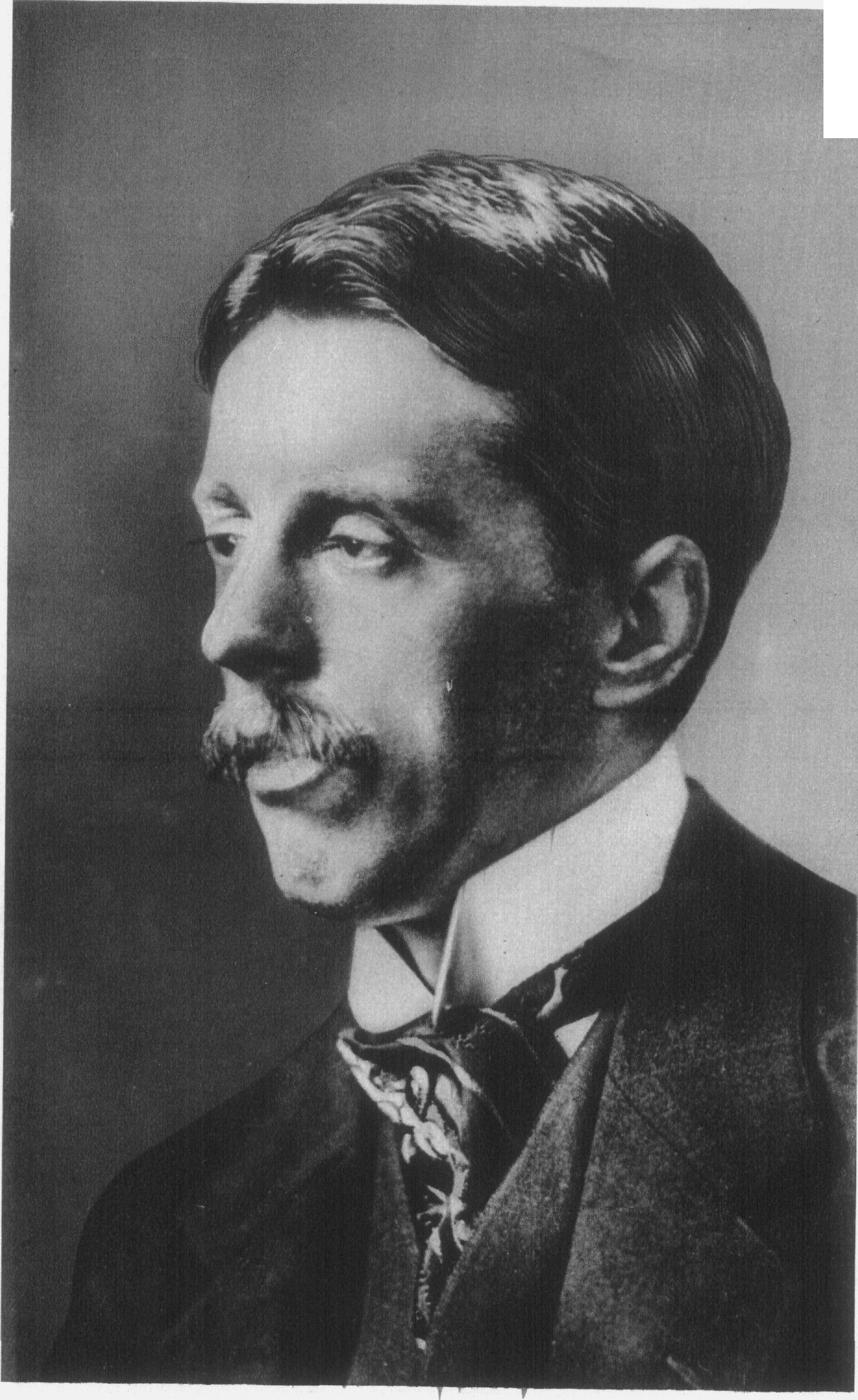
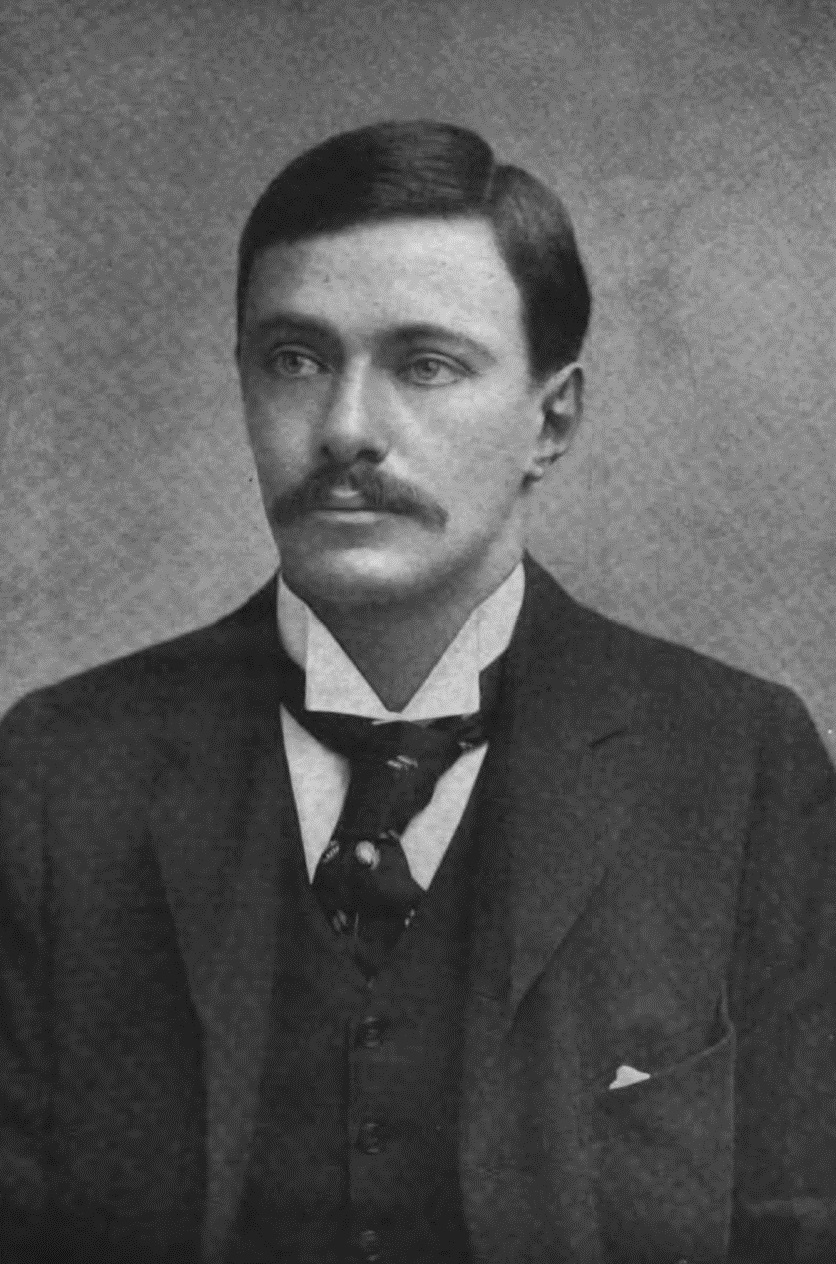
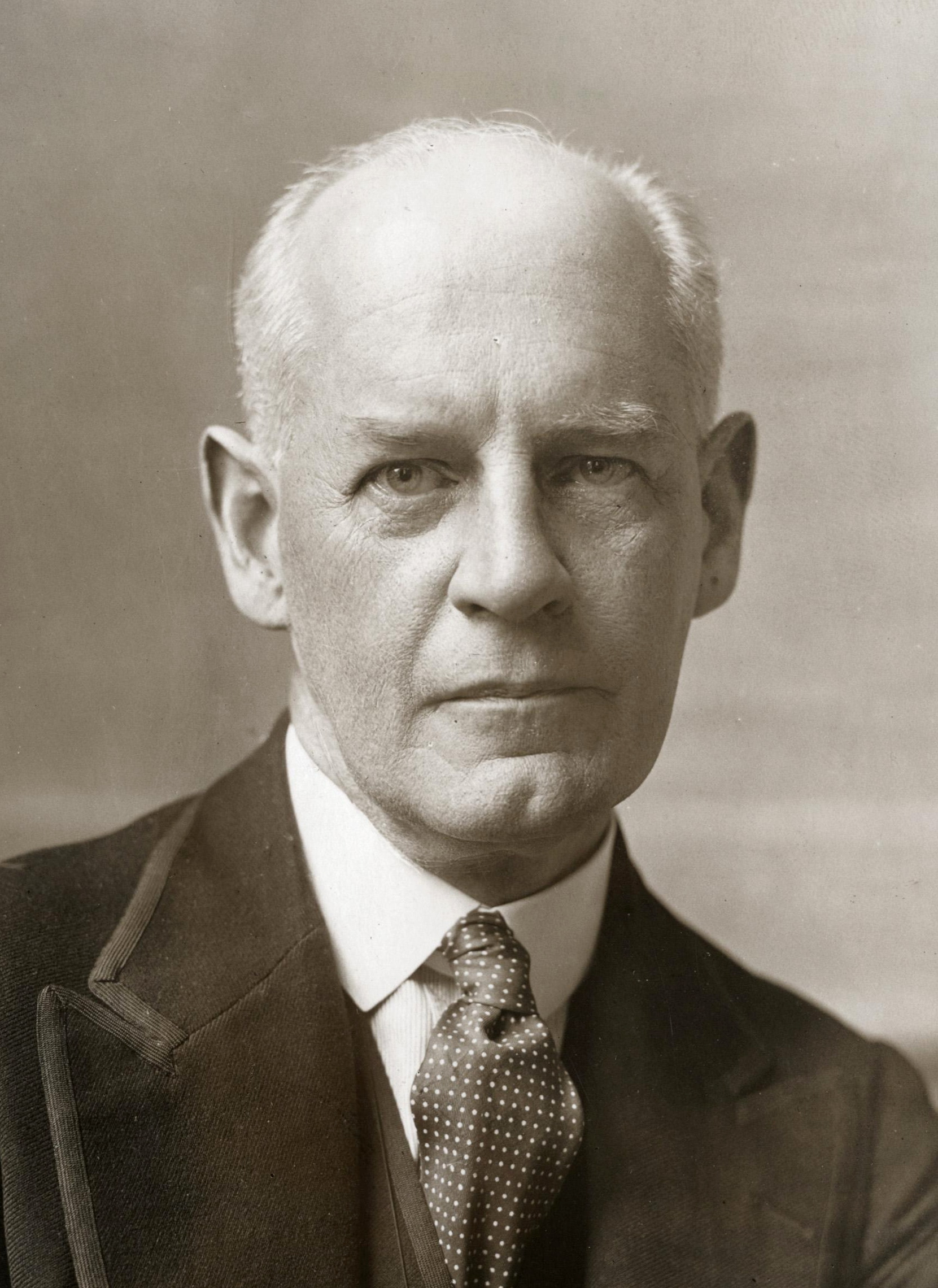
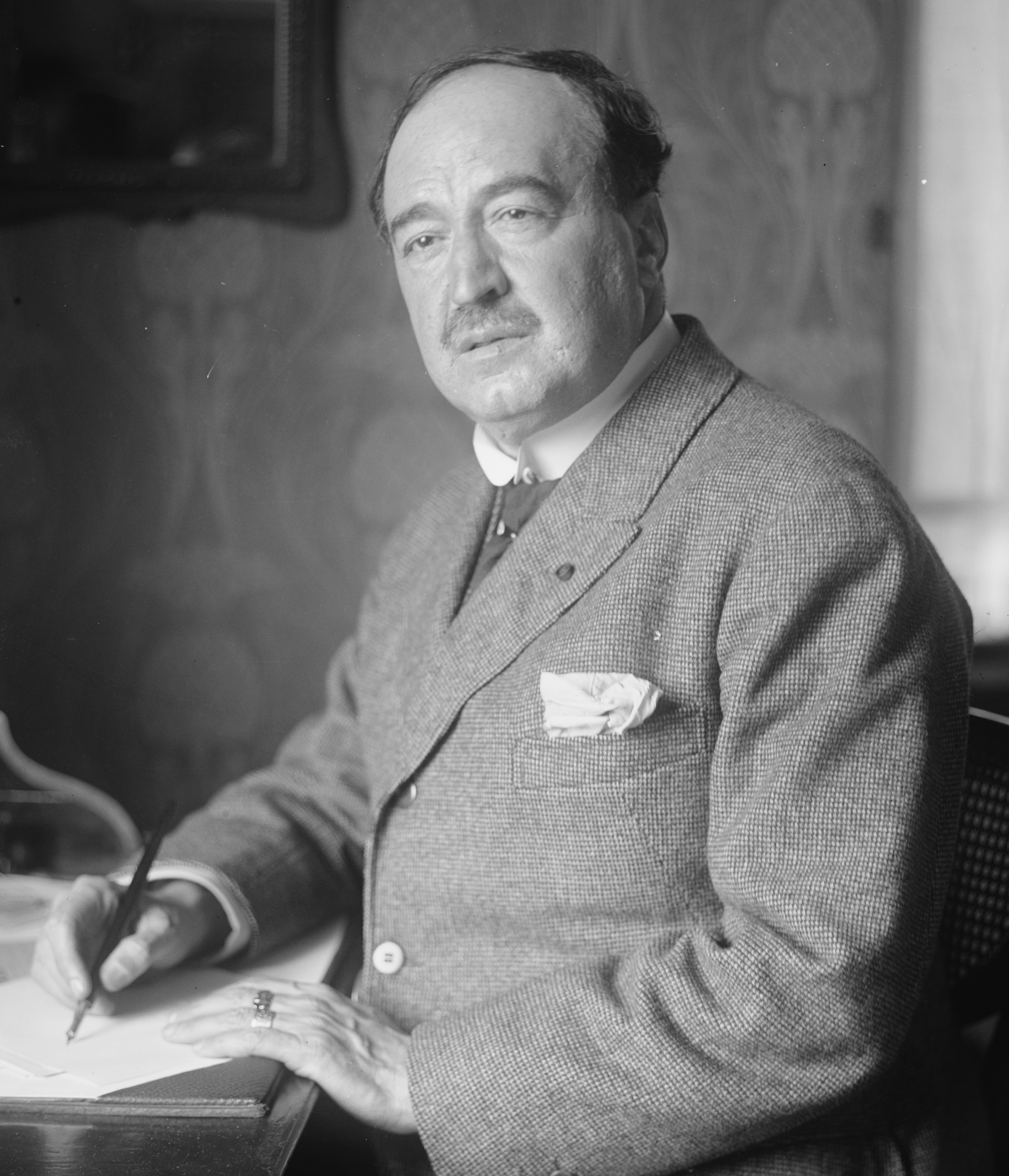
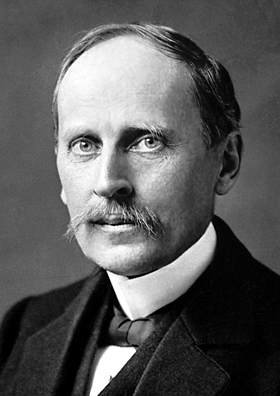
Władysław Stanisław Reymont was a Polish novelist and playwright, best known for his epic work, 'The Peasants,' which earned him the Nobel Prize in Literature in 1924. Born into a peasant family, Reymont's early life in rural Poland deeply influenced his writing, providing him with a rich tapestry of characters and settings that would come to define his literary career. His experiences as a wandering actor and his exposure to various social classes informed his understanding of the human condition, allowing him to craft narratives that resonated with the struggles and aspirations of ordinary people. Reymont's literary significance lies not only in his vivid portrayal of peasant life but also in his exploration of the complexities of Polish identity and culture during a time of political upheaval. 'The Peasants' is particularly noteworthy for its innovative structure, presenting the story in four volumes, each corresponding to a season, which mirrors the cyclical nature of rural life. His other notable works include 'The Promised Land,' which examines the industrialization of Łódź and the moral dilemmas faced by its inhabitants. Reymont's legacy endures as a key figure in Polish literature, whose works continue to inspire discussions about social justice, tradition, and modernity.
Famous Quotes
View all 7 quotes“Ja nie mam nic, ty nie masz nic, on nie ma nic - zaśmiał się głośno.- To razem właśnie mamy tyle, w sam raz tyle, żeby założyć wielką fabrykę. Cóż stracimy? Zarobić zawsze można””
“Потом они забудут о том, что слышали раньше, и поверят новым обещаниям, и пойдут дальше.””
“True, now and again, out of sheer bitterness, I let my tongue wag; but there is something else at the bottom of my heart that makes me, willy nilly, rejoice or grieve with other folk. Nay, one cannot live quite separated from all.””
Books from the author
![The Peasants, [Vol. 1]: Autumn](/_next/image?url=https%3A%2F%2Fd3b2n8gj62qnwr.cloudfront.net%2FCOVERS%2Fgutenberg_covers75k%2Febook-75846.png&w=3840&q=75)
![The Peasants, [Vol. 2]: Winter](/_next/image?url=https%3A%2F%2Fd3b2n8gj62qnwr.cloudfront.net%2FCOVERS%2Fgutenberg_covers75k%2Febook-76328.png&w=3840&q=75)
![The Peasants, [Vol. 4]: Summer](/_next/image?url=https%3A%2F%2Fd3b2n8gj62qnwr.cloudfront.net%2FCOVERS%2Fgutenberg_covers75k%2Febook-76329.png&w=3840&q=75)
![The Peasants, [Vol. 3]: Spring](/_next/image?url=https%3A%2F%2Fd3b2n8gj62qnwr.cloudfront.net%2FCOVERS%2Fgutenberg_covers75k%2Febook-76330.png&w=3840&q=75)



Link to this page
Add a free, dofollow link to Lex on your blog, forum, syllabus, or reading list.

<a href="https://lex-books.com/author/władysław-stanisław-reymont"><img src="https://lex-books.com/badges/read-on-lex.svg" alt="Władysław Stanisław Reymont on Lex" width="160" height="40"></a>[](https://lex-books.com/author/władysław-stanisław-reymont)[url=https://lex-books.com/author/władysław-stanisław-reymont][img]https://lex-books.com/badges/read-on-lex.svg[/img][/url]Władysław Stanisław Reymont on Lex: https://lex-books.com/author/władysław-stanisław-reymont