Strange Case of Dr. Jekyll and Mr. Hyde
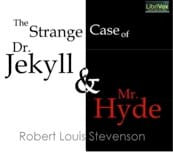
In fog-drenched Victorian London, a respected doctor and philanthropist named Henry Jekyll begins a dangerous experiment. He creates a serum that separates his dual nature, releasing a physically grotesque creature he names Edward Hyde. At first, Hyde offers liberation from the constraints of Jekyll's buttoned-up existence. But the transformation becomes easier, and Hyde grows stronger, more violent, more demanding. The murders pile up. Jekyll's carefully constructed life begins to collapse. And the terrible truth emerges: Hyde is not a separate being at all, but Jekyll himself, unchained. Robert Louis Stevenson's 1886 masterpiece operates on two levels: as a ripping good mystery story about a lawyer uncovering the connection between a monstrous criminal and his elegant friend, and as a nightmarish exploration of the Victorian age's great unspoken terror. Respectability is a mask. Beneath every polished exterior lurks something hungry and amoral. The genius of the book lies in its suggestion that Jekyll's potion didn't create evil; it merely removed the lid.
Editions


Link to this book
Add a free, dofollow link to Lex on your blog, forum, syllabus, or reading list.

<a href="https://lex-books.com/book/strange-case-of-dr-jekyll-and-mr-hyde-15781506-57be-4e7c-b5f8-f78c81a005bf"><img src="https://lex-books.com/badges/read-on-lex.svg" alt="Read Strange Case of Dr. Jekyll and Mr. Hyde by Robert Louis Stevenson free on Lex" width="160" height="40"></a>[](https://lex-books.com/book/strange-case-of-dr-jekyll-and-mr-hyde-15781506-57be-4e7c-b5f8-f78c81a005bf)[url=https://lex-books.com/book/strange-case-of-dr-jekyll-and-mr-hyde-15781506-57be-4e7c-b5f8-f78c81a005bf][img]https://lex-books.com/badges/read-on-lex.svg[/img][/url]Read Strange Case of Dr. Jekyll and Mr. Hyde by Robert Louis Stevenson free on Lex: https://lex-books.com/book/strange-case-of-dr-jekyll-and-mr-hyde-15781506-57be-4e7c-b5f8-f78c81a005bfCite this book
Reading this edition for a paper or guide? Copy a citation.
Stevenson, Robert Louis. Strange Case of Dr. Jekyll and Mr. Hyde. Lex, lex-books.com/book/strange-case-of-dr-jekyll-and-mr-hyde-15781506-57be-4e7c-b5f8-f78c81a005bf.Stevenson, R. L. (n.d.). Strange Case of Dr. Jekyll and Mr. Hyde. Lex. https://lex-books.com/book/strange-case-of-dr-jekyll-and-mr-hyde-15781506-57be-4e7c-b5f8-f78c81a005bfStevenson, Robert Louis. Strange Case of Dr. Jekyll and Mr. Hyde. Lex. https://lex-books.com/book/strange-case-of-dr-jekyll-and-mr-hyde-15781506-57be-4e7c-b5f8-f78c81a005bf.