Æsop's Fables
1484
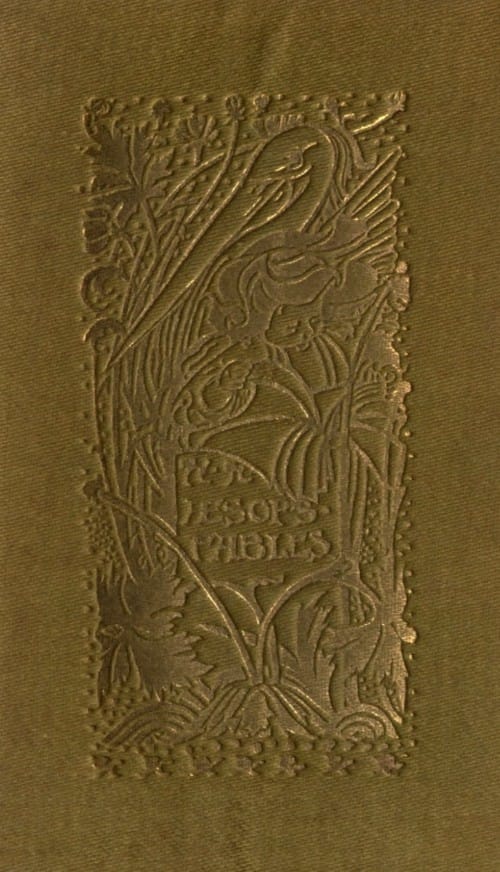
For over two thousand years, societies have turned to these compact tales to explain human nature to children and rulers alike. What began as oral stories attributed to a former slave in ancient Greece has become one of literature's most democratic treasures: short, sharp narratives where foxes scheme, tortoises persist, and wolves arrive when no one believes the boy who cries out. The power lies in the economy of each story and the moral that lands like a coin dropped in a well. The fables operate on two levels. On the surface, they are charming animal stories that have delighted children since the Renaissance. Beneath that simplicity, they contain hard-won wisdom about power, deception, and consequence that still operates in boardrooms and parliaments. The tortoise does not merely beat the hare; she dismantles arrogance. The fox does not simply fail to reach the grapes; he reveals how we rewrite our desires to protect our pride. These are not nursery tales. They are ancient instruments of thought, each one a tiny machine for understanding human nature. No library is complete without them. No child is too young to hear them. No adult has outgrown what they teach.
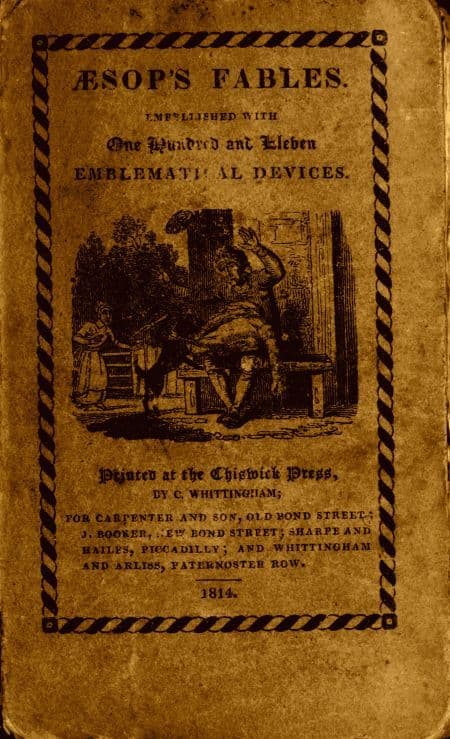
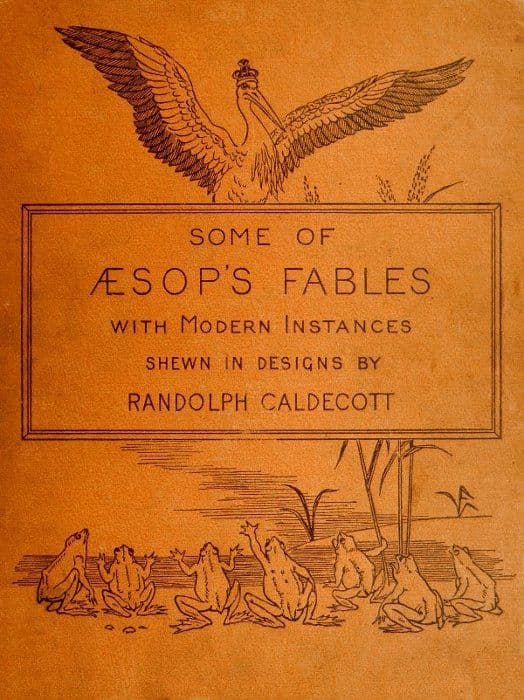
Editions
X-Ray
“A doubtful friend is worse than a certain enemy. Let a man be one thing or the other, and we then know how to meet him.””
— Aesop
“If you choose bad companions, no one will believe that you are anything but bad yourself.””
— Aesop
“The injury we do and the one we suffer are not weighed in the same scales.””
— Aesop
“Once a wolf, always a wolf.””
— Aesop
“Give assistance, not advice, in a crisis.””
— Aesop
“In trying to please all, he had pleased none.””
— Aesop
“Those who suffer most cry out the least.””
— Aesop
“Look and see which way the wind blows before you commit yourself.””
— Aesop
“All men are more concerned to recover what they lose than to acquire what they lack.””
— Aesop
Link to this book
Add a free, dofollow link to Lex on your blog, forum, syllabus, or reading list.

<a href="https://lex-books.com/book/sop-s-fables-10000e0e-4c43-4634-9afa-1a78e8e8a34e"><img src="https://lex-books.com/badges/read-on-lex.svg" alt="Read Æsop's Fables by Aesop free on Lex" width="160" height="40"></a>[](https://lex-books.com/book/sop-s-fables-10000e0e-4c43-4634-9afa-1a78e8e8a34e)[url=https://lex-books.com/book/sop-s-fables-10000e0e-4c43-4634-9afa-1a78e8e8a34e][img]https://lex-books.com/badges/read-on-lex.svg[/img][/url]Read Æsop's Fables by Aesop free on Lex: https://lex-books.com/book/sop-s-fables-10000e0e-4c43-4634-9afa-1a78e8e8a34eCite this book
Reading this edition for a paper or guide? Copy a citation.
Aesop. Æsop's Fables. Lex, lex-books.com/book/sop-s-fables-10000e0e-4c43-4634-9afa-1a78e8e8a34e.Aesop (1484). Æsop's Fables. Lex. https://lex-books.com/book/sop-s-fables-10000e0e-4c43-4634-9afa-1a78e8e8a34eAesop. Æsop's Fables. Lex. https://lex-books.com/book/sop-s-fables-10000e0e-4c43-4634-9afa-1a78e8e8a34e.