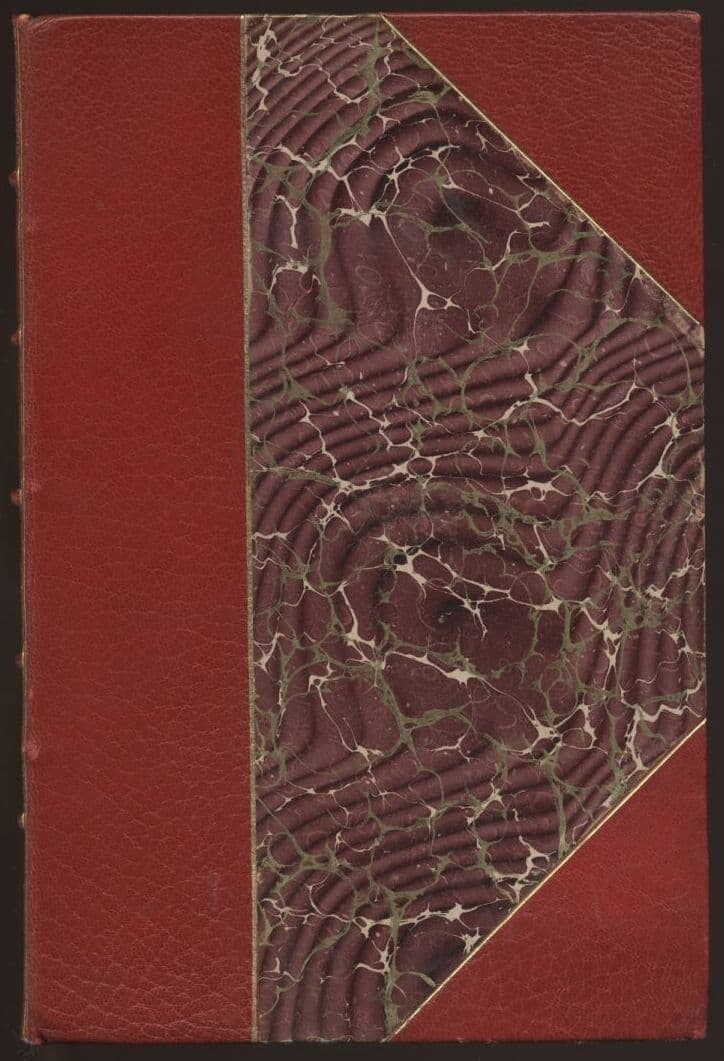
Sir Gibbie
1879
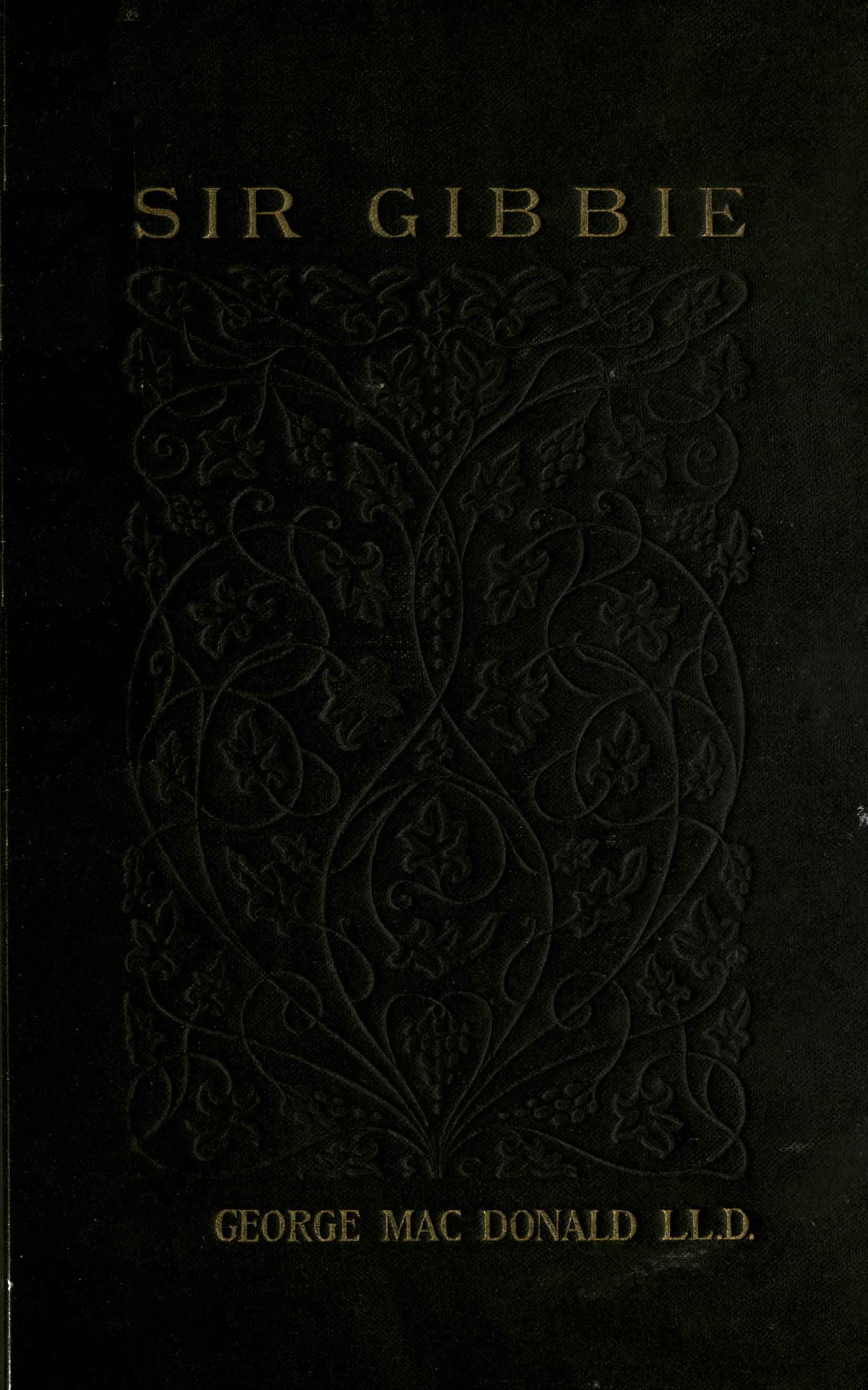
Published in 1879, 'Sir Gibbie' is a novel by Scottish author George MacDonald that follows the life of a mute boy named Gibbie as he navigates the harsh realities of poverty and familial struggles in the Highlands of Scotland. The narrative explores themes of innocence, resilience, and Christian obedience, portraying Gibbie as a Christ-like figure despite his challenging circumstances. Notable for its use of the Doric dialect and its impact on both British and American literature, the novel was influential in the early 20th century, particularly through the works of C. S. Lewis, who highlighted MacDonald's contributions to Christian literature.
Editions
X-Ray
“May had now set in, but up here among the hills, she was May by curtesy only; or if she was May, she would never be might. She was, indeed, only April with her showers and sunshine, her tearful, childish laughter, and again the frown, and the dispair irremediable. Nay, as if she still kept up a secret correspondence with her cousin March, banished for his rudeness, she would not very seldom shake from her skirts a snow storm, and oftener the dancing hail. Then out would come the sun behind her, and laugh, and say-- "I could not help THAT; but here I am all the same, coming to you as fast as I can!””
— George MacDonald
“No man can order his life, for it comes flowing over him from behind. But if it lay before us, and we could watch its current approaching from a long distance, what could we do with it before it had reached the now? In like wise a man thinks foolishly who imagines he could have done this and that with his own character and development, if he had but known this and that in time.””
— George MacDonald
“There is no forgetting of ourselves but in the finding of our deeper, our true self”
— George MacDonald
“. . . he would perhaps have known that to try too hard to make people good, is one way to make them worse; that the only way to make them good is to be good -- remembering well the beam and the mote; that the time for speaking comes rarely, the time for being never departs.””
— George MacDonald
“Not for years and years had Janet been to church; she had long been unable to walk so far; and having no book but the best, and no help to understand it but the highest, her faith was simple, strong, real, all-pervading. Day by day she pored over the great gospel -- I mean just the good news according to Matthew and Mark and Luke and John -- until she had grown to be one of the noble ladies of the kingdom of heaven -- one of those who inherit the earth, and are ripening to see God. For the Master, and his mind in hers, was her teacher. She had little or no theology save what he taught her, or rather, what he is. And of any other than that, the less the better; for no theology, except the Theou logos, is worth the learning, no other being true. To know him is to know God. And he only who obeys him, does or can know him; he who obeys him cannot fail to know him. To Janet, Jesus Christ was no object of so-called theological speculation, but a living man, who somehow or other heard her when she called to him, and sent her the help she needed.””
— George MacDonald
“She was a mother. One who is mother only to her own children is not a mother; she is only a woman who has borne children. But here was one of God's mothers.””
— George MacDonald
“Now Gibbie had been honoured with the acquaintance of many dogs, and the friendship of most of them, for a lover of humanity can hardly fail to be a lover of caninity.””
— George MacDonald
“For the bliss of the animals lies in this, that, on their lower level, they shadow the bliss of those -- few at any moment on the earth -- who do not "look before and after, and pine for what is not," but live in the holy carelessness of the eternal now. Gibbie by no means belonged to the higher order, was as yet, indeed, not much better than a very blessed little animal.””
— George MacDonald
“Of all teachings that which presents a far distant God is the nearest to absurdity. Either there is none, or he is nearer to every one of us than our nearest consciousness of self. An unapproachable divinity is the veriest of monsters, the most horrible of human imaginations.””
— George MacDonald
Link to this book
Add a free, dofollow link to Lex on your blog, forum, syllabus, or reading list.

<a href="https://lex-books.com/book/sir-gibbie-e4ac5a0b-ff77-401e-a78c-14b2cbc10858"><img src="https://lex-books.com/badges/read-on-lex.svg" alt="Read Sir Gibbie by George MacDonald free on Lex" width="160" height="40"></a>[](https://lex-books.com/book/sir-gibbie-e4ac5a0b-ff77-401e-a78c-14b2cbc10858)[url=https://lex-books.com/book/sir-gibbie-e4ac5a0b-ff77-401e-a78c-14b2cbc10858][img]https://lex-books.com/badges/read-on-lex.svg[/img][/url]Read Sir Gibbie by George MacDonald free on Lex: https://lex-books.com/book/sir-gibbie-e4ac5a0b-ff77-401e-a78c-14b2cbc10858Cite this book
Reading this edition for a paper or guide? Copy a citation.
MacDonald, George. Sir Gibbie. Lex, lex-books.com/book/sir-gibbie-e4ac5a0b-ff77-401e-a78c-14b2cbc10858.MacDonald, G. (1879). Sir Gibbie. Lex. https://lex-books.com/book/sir-gibbie-e4ac5a0b-ff77-401e-a78c-14b2cbc10858MacDonald, George. Sir Gibbie. Lex. https://lex-books.com/book/sir-gibbie-e4ac5a0b-ff77-401e-a78c-14b2cbc10858.