Wilfrid Cumbermede
1872
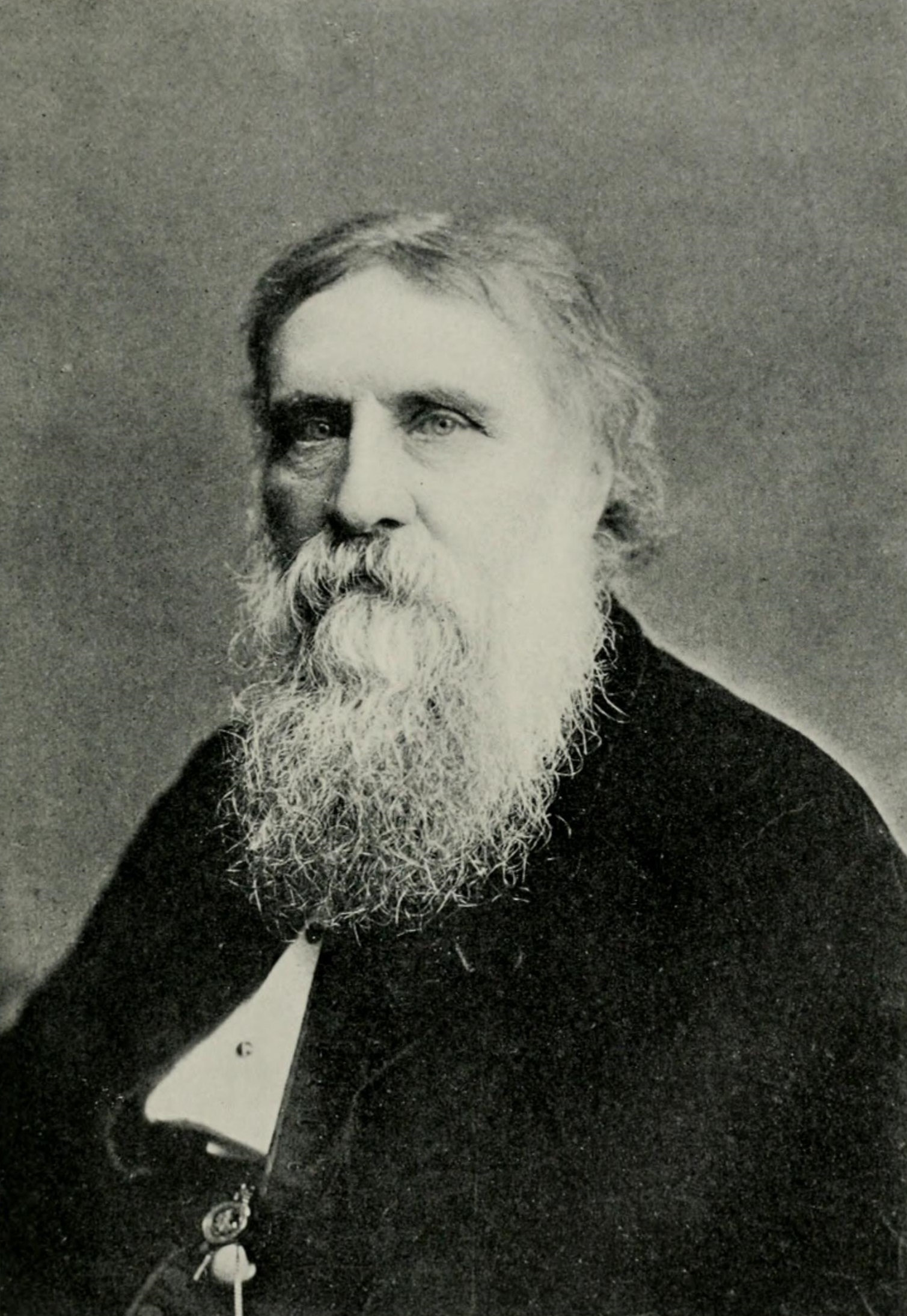
George MacDonald crafted stories that made the numinous feel intimate, and Wilfrid Cumbermede stands as a quietly radical act of memory. Written in retrospective narration, the novel follows its protagonist looking back on his childhood from well past middle age, tracing the formation of a soul through the ordinary miracles and quiet wounds of youth. The narrative unfolds at the pace of genuine recollection, moving between the tranquil grounds of Cumbermede, where an ancient sword and mysterious pendulum spark a child's wondering imagination, and the complex web of family: a severe uncle, an aunt, a great-grandmother, and the shadow of a dangerous man who once came in a storm, wanting to take the boy away and shape him according to worldly values. The novel's power lies in its unflinching look at how we become who we are. MacDonald, who would later influence C.S. Lewis and Tolkien, understood that childhood is not a place of innocence alone but a crucible where identity forms. The writing has the quality of a slow, honest breath, the kind of reflection that only time and distance allow. For readers who love Victorian bildungsromans, or who trace the roots of modern fantasy to its 19th-century sources, this is a book about how the past lives in us, and how telling our story is the beginning of understanding it.
Editions
X-Ray
“Certainly work is not always required of a man. There is such a thing as a sacred idleness, the cultivation of which is now fearfully neglected.””
— George MacDonald
Link to this book
Add a free, dofollow link to Lex on your blog, forum, syllabus, or reading list.

<a href="https://lex-books.com/book/wilfrid-cumbermede-25cd3677-e351-4d7d-934d-89e2835dea24"><img src="https://lex-books.com/badges/read-on-lex.svg" alt="Read Wilfrid Cumbermede by George MacDonald free on Lex" width="160" height="40"></a>[](https://lex-books.com/book/wilfrid-cumbermede-25cd3677-e351-4d7d-934d-89e2835dea24)[url=https://lex-books.com/book/wilfrid-cumbermede-25cd3677-e351-4d7d-934d-89e2835dea24][img]https://lex-books.com/badges/read-on-lex.svg[/img][/url]Read Wilfrid Cumbermede by George MacDonald free on Lex: https://lex-books.com/book/wilfrid-cumbermede-25cd3677-e351-4d7d-934d-89e2835dea24Cite this book
Reading this edition for a paper or guide? Copy a citation.
MacDonald, George. Wilfrid Cumbermede. Lex, lex-books.com/book/wilfrid-cumbermede-25cd3677-e351-4d7d-934d-89e2835dea24.MacDonald, G. (1872). Wilfrid Cumbermede. Lex. https://lex-books.com/book/wilfrid-cumbermede-25cd3677-e351-4d7d-934d-89e2835dea24MacDonald, George. Wilfrid Cumbermede. Lex. https://lex-books.com/book/wilfrid-cumbermede-25cd3677-e351-4d7d-934d-89e2835dea24.