Sea and Sardinia
D.H. Lawrence needed to leave Sicily. Something in its Byzantine churches and exhausted civilizations had worn thin on him. In January 1921, he and his wife Frieda boarded a steamer bound for Sardinia, an island they barely knew, drawn by the promise of something wilder, less contaminated by the modern world's weariness. What follows is neither a tourist's diary nor a simple escape narrative. Lawrence transfigures landscape into a kind of spiritual seismograph, recording the vibrations of his own restless consciousness against the ancient, almost pre-human rhythms of the island interior. He finds shepherds and stone villages, a fierce autonomy, a people who seem to belong to different laws than the mechanized Europe they're hurtling toward. But Sea and Sardinia is also something else: a sharp, dark-tinged inquiry into the political and spiritual bankruptcy of the post-war world, a book that quietly registers the early stirrings of fascism and communism while searching for some fresher source of life. Lawrence was never content with mere travel writing, and this book, with its censored passages now restored, reveals exactly what he called it: 'a marvel of veracity.' For readers who want their journeys to cut deeper than geography, this remains a strange and stimulant book.
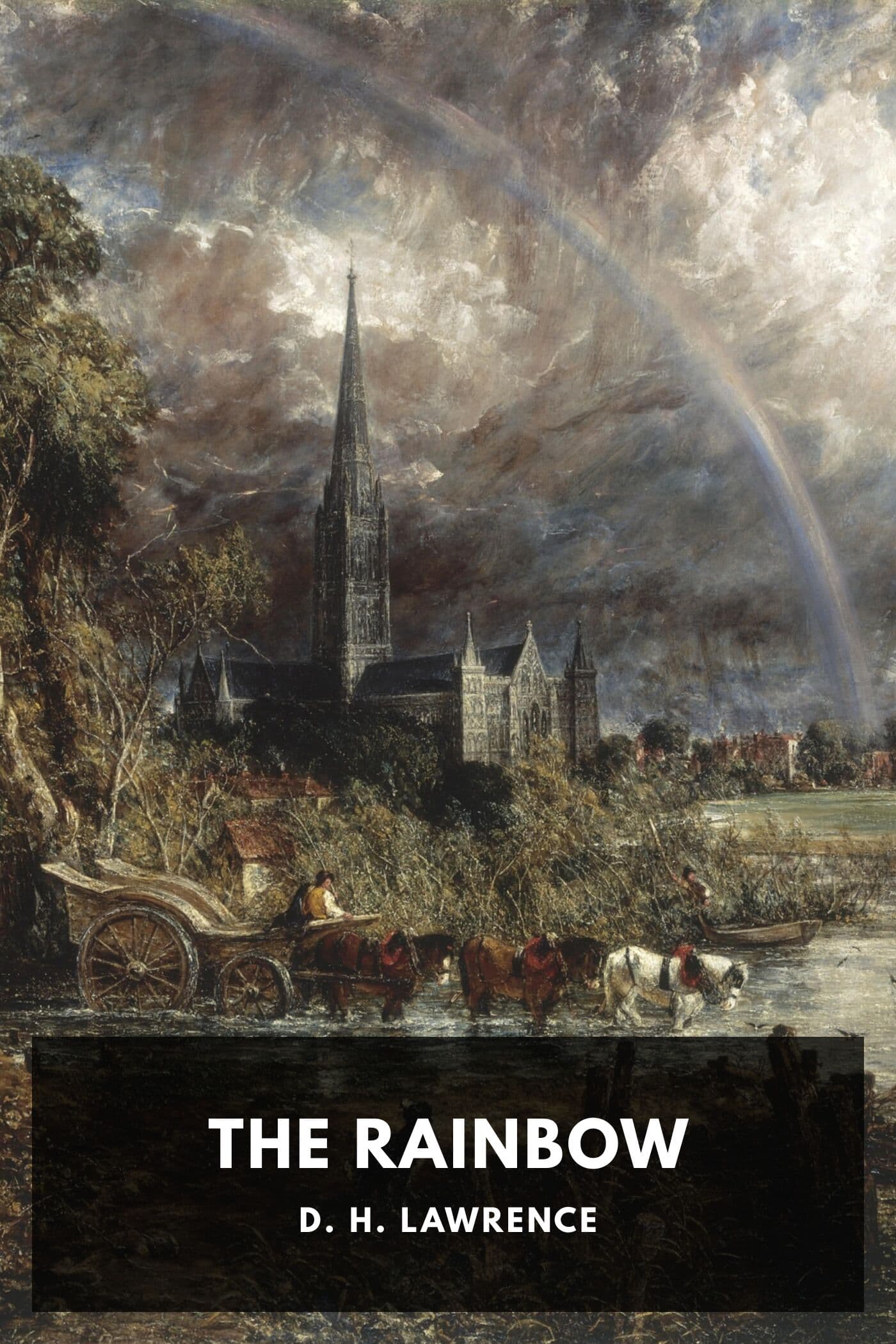
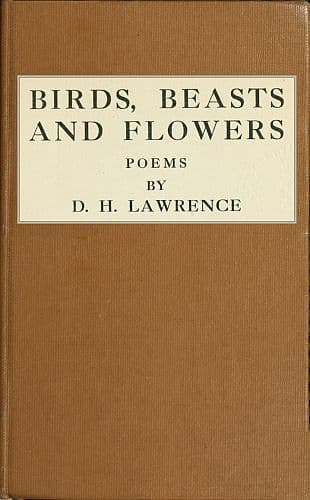
Editions
X-Ray
“Messina between the volcanoes, Etna and Stromboli, having known the death-agony's terror. I always dread coming near the awful place, yet I have found the people kind, almost feverishly so, as if they knew the awful need for kindness.””
— D. H. Lawrence
“Lemon trees, like Italians, seem to be happiest when they are touching one another””
— D. H. Lawrence
“One realises, with horror, that the race of men is almost extinct in Europe. Only Christ-like heroes and woman-worshipping Don Juans, and rabid equality-mongrels. The old, hardy, indomitable male is gone. His fierce singleness is quenched. The last sparks are dying out in Sardinia and Spain. Nothing left but the herd-proletariat and the herd-equality mongrelism, and the wistful poisonous self-sacrificial cultured soul. How detestable””
— D. H. Lawrence
“Si dice che nè i romani nè i fenici, i greci o gli arabi abbiano mai sottomesso la Sardegna. È fuori; fuori dal circuito della civiltà.””
— D. H. Lawrence
“Bread means a great deal to an Italian: it is verily his staff of life.””
— D. H. Lawrence
“Is there not the massive brilliant, out-flinging recklessness in the male soul, summed up in the sudden word: Andiamo! Andiamo! Let us go on. Andiamo!”
— D. H. Lawrence
Link to this book
Add a free, dofollow link to Lex on your blog, forum, syllabus, or reading list.

<a href="https://lex-books.com/book/sea-and-sardinia-7c64ee40-05bc-46ab-bf94-de53b00a0c56"><img src="https://lex-books.com/badges/read-on-lex.svg" alt="Read Sea and Sardinia by D. H. Lawrence free on Lex" width="160" height="40"></a>[](https://lex-books.com/book/sea-and-sardinia-7c64ee40-05bc-46ab-bf94-de53b00a0c56)[url=https://lex-books.com/book/sea-and-sardinia-7c64ee40-05bc-46ab-bf94-de53b00a0c56][img]https://lex-books.com/badges/read-on-lex.svg[/img][/url]Read Sea and Sardinia by D. H. Lawrence free on Lex: https://lex-books.com/book/sea-and-sardinia-7c64ee40-05bc-46ab-bf94-de53b00a0c56Cite this book
Reading this edition for a paper or guide? Copy a citation.
Lawrence, D. H.. Sea and Sardinia. Lex, lex-books.com/book/sea-and-sardinia-7c64ee40-05bc-46ab-bf94-de53b00a0c56.Lawrence, D. H. (n.d.). Sea and Sardinia. Lex. https://lex-books.com/book/sea-and-sardinia-7c64ee40-05bc-46ab-bf94-de53b00a0c56Lawrence, D. H.. Sea and Sardinia. Lex. https://lex-books.com/book/sea-and-sardinia-7c64ee40-05bc-46ab-bf94-de53b00a0c56.