Glimpses of Unfamiliar Japan: Second Series
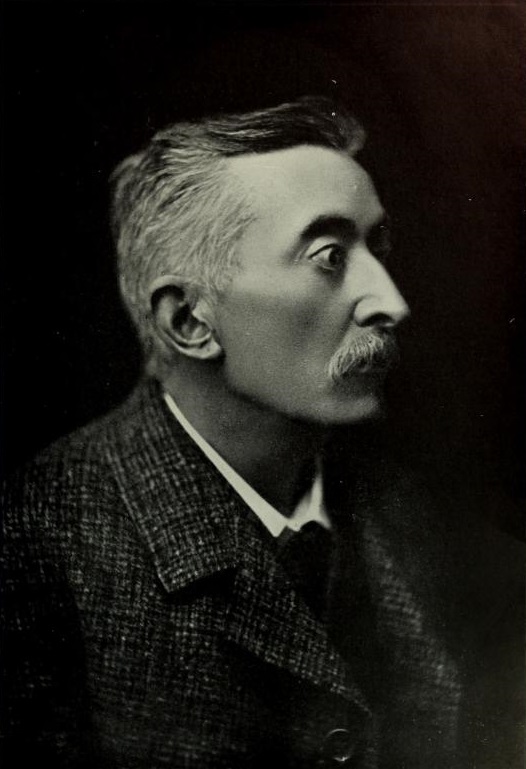
In 1894, a Irish-Greek writer who would eventually take the Japanese name Koizumi Yakumo sat down in a small two-story house behind a castle and began to record a world that was already vanishing. The result is this collection of essays: luminous, meticulous observations of Japanese daily life, gardens, customs, and spiritual traditions seen through eyes that never stopped marveling at what Western readers had never imagined possible. Hearn writes of gardens where every stone placement carries meaning, of festivals where the boundary between human and divine grows thin, of a civilization that organized its entire existence around aesthetic and spiritual principles alien to Western rationality. What makes these essays endure is not merely their historical value as snapshots of Meiji-era Japan, though that alone would be priceless. It is Hearn's peculiar stance as outsider-turned-insider, a man who loved Japan enough to become its citizen, who learned its language not as a scholar but as a convert. He captures something that neither Japanese nor Western observers could quite manage alone: the feel of a culture as a living sensibility rather than an exhibit. For readers willing to slow down and dwell in his ornate sentences, the book offers passage into a Japan that existed before modernization swept it away.
Editions
X-Ray
“We owe more to our illusions than to our knowledge””
— Lafcadio Hearn
Link to this book
Add a free, dofollow link to Lex on your blog, forum, syllabus, or reading list.

<a href="https://lex-books.com/book/glimpses-of-unfamiliar-japan-second-series-00914f56-7518-4d3a-b0f5-8ef979aa47ba"><img src="https://lex-books.com/badges/read-on-lex.svg" alt="Read Glimpses of Unfamiliar Japan: Second Series by Lafcadio Hearn free on Lex" width="160" height="40"></a>[](https://lex-books.com/book/glimpses-of-unfamiliar-japan-second-series-00914f56-7518-4d3a-b0f5-8ef979aa47ba)[url=https://lex-books.com/book/glimpses-of-unfamiliar-japan-second-series-00914f56-7518-4d3a-b0f5-8ef979aa47ba][img]https://lex-books.com/badges/read-on-lex.svg[/img][/url]Read Glimpses of Unfamiliar Japan: Second Series by Lafcadio Hearn free on Lex: https://lex-books.com/book/glimpses-of-unfamiliar-japan-second-series-00914f56-7518-4d3a-b0f5-8ef979aa47baCite this book
Reading this edition for a paper or guide? Copy a citation.
Hearn, Lafcadio. Glimpses of Unfamiliar Japan: Second Series. Lex, lex-books.com/book/glimpses-of-unfamiliar-japan-second-series-00914f56-7518-4d3a-b0f5-8ef979aa47ba.Hearn, L. (n.d.). Glimpses of Unfamiliar Japan: Second Series. Lex. https://lex-books.com/book/glimpses-of-unfamiliar-japan-second-series-00914f56-7518-4d3a-b0f5-8ef979aa47baHearn, Lafcadio. Glimpses of Unfamiliar Japan: Second Series. Lex. https://lex-books.com/book/glimpses-of-unfamiliar-japan-second-series-00914f56-7518-4d3a-b0f5-8ef979aa47ba.