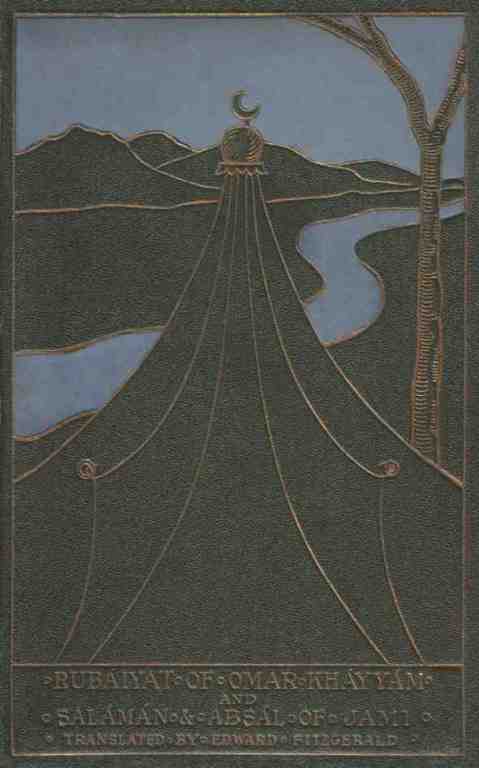
Rubáiyát of Omar Khayyám, and Salámán and Absál: Together with a Life of Edward Fitzgerald and an Essay on Persian Poetry by Ralph Waldo Emerson
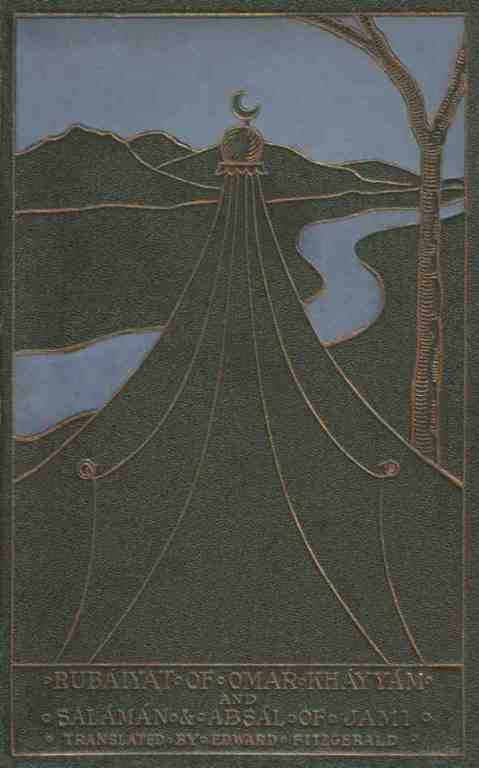
Rubáiyát of Omar Khayyám, and Salámán and Absál: Together with a Life of Edward Fitzgerald and an Essay on Persian Poetry by Ralph Waldo Emerson
Translated by Edward FitzGerald
In the mid-19th century, an eccentric English gentleman named Edward Fitzgerald sat in a Suffolk garden and transformed 500-year-old Persian quatrains into something entirely new: a book that would reshape English poetry and haunt readers for generations. The Rubáiyát is not a faithful translation in any pedantic sense. It is a recreation, a philosophical dialogue between a Persian astronomer-poet of the 11th century and a Victorian amateur who found in Khayyám's verses of wine, roses, and mortal reckoning something his own age could not say. The quatrains loop endlessly from joy to grief and back again: here is a cup of wine, here is a dying flower, here is the unbearable briefness of being human. Arranged by Fitzgerald into a narrative of sorts, they move from morning drinking to evening contemplation, from defiance to surrender, from the certainty that nothing matters to the urgent conviction that everything does. This edition also includes Salámán and Absál, a mystical narrative poem by the Persian poet Jami, alongside Emerson's biographical essay on Fitzgerald. The result is a small book about the only thing that finally matters: how to live when you know you will die.
Editions
Link to this book
Add a free, dofollow link to Lex on your blog, forum, syllabus, or reading list.

<a href="https://lex-books.com/book/rub-iy-t-of-omar-khayy-m-and-sal-m-n-and-abs-l-together-with-a-life-of-edward-fi-3b345444-b0d7-45d6-a9bb-f6f7d95529a5"><img src="https://lex-books.com/badges/read-on-lex.svg" alt="Read Rubáiyát of Omar Khayyám, and Salámán and Absál: Together with a Life of Edward Fitzgerald and an Essay on Persian Poetry by Ralph Waldo Emerson by Omar Khayyam free on Lex" width="160" height="40"></a>[](https://lex-books.com/book/rub-iy-t-of-omar-khayy-m-and-sal-m-n-and-abs-l-together-with-a-life-of-edward-fi-3b345444-b0d7-45d6-a9bb-f6f7d95529a5)[url=https://lex-books.com/book/rub-iy-t-of-omar-khayy-m-and-sal-m-n-and-abs-l-together-with-a-life-of-edward-fi-3b345444-b0d7-45d6-a9bb-f6f7d95529a5][img]https://lex-books.com/badges/read-on-lex.svg[/img][/url]Read Rubáiyát of Omar Khayyám, and Salámán and Absál: Together with a Life of Edward Fitzgerald and an Essay on Persian Poetry by Ralph Waldo Emerson by Omar Khayyam free on Lex: https://lex-books.com/book/rub-iy-t-of-omar-khayy-m-and-sal-m-n-and-abs-l-together-with-a-life-of-edward-fi-3b345444-b0d7-45d6-a9bb-f6f7d95529a5Cite this book
Reading this edition for a paper or guide? Copy a citation.
Khayyam, Omar. Rubáiyát of Omar Khayyám, and Salámán and Absál: Together with a Life of Edward Fitzgerald and an Essay on Persian Poetry by Ralph Waldo Emerson. Lex, lex-books.com/book/rub-iy-t-of-omar-khayy-m-and-sal-m-n-and-abs-l-together-with-a-life-of-edward-fi-3b345444-b0d7-45d6-a9bb-f6f7d95529a5.Khayyam, O. (n.d.). Rubáiyát of Omar Khayyám, and Salámán and Absál: Together with a Life of Edward Fitzgerald and an Essay on Persian Poetry by Ralph Waldo Emerson. Lex. https://lex-books.com/book/rub-iy-t-of-omar-khayy-m-and-sal-m-n-and-abs-l-together-with-a-life-of-edward-fi-3b345444-b0d7-45d6-a9bb-f6f7d95529a5Khayyam, Omar. Rubáiyát of Omar Khayyám, and Salámán and Absál: Together with a Life of Edward Fitzgerald and an Essay on Persian Poetry by Ralph Waldo Emerson. Lex. https://lex-books.com/book/rub-iy-t-of-omar-khayy-m-and-sal-m-n-and-abs-l-together-with-a-life-of-edward-fi-3b345444-b0d7-45d6-a9bb-f6f7d95529a5.