Plays of Sophocles: Oedipus the King; Oedipus at Colonus; Antigone
1912
Plays of Sophocles: Oedipus the King; Oedipus at Colonus; Antigone
1912
Translated by Francis Storr
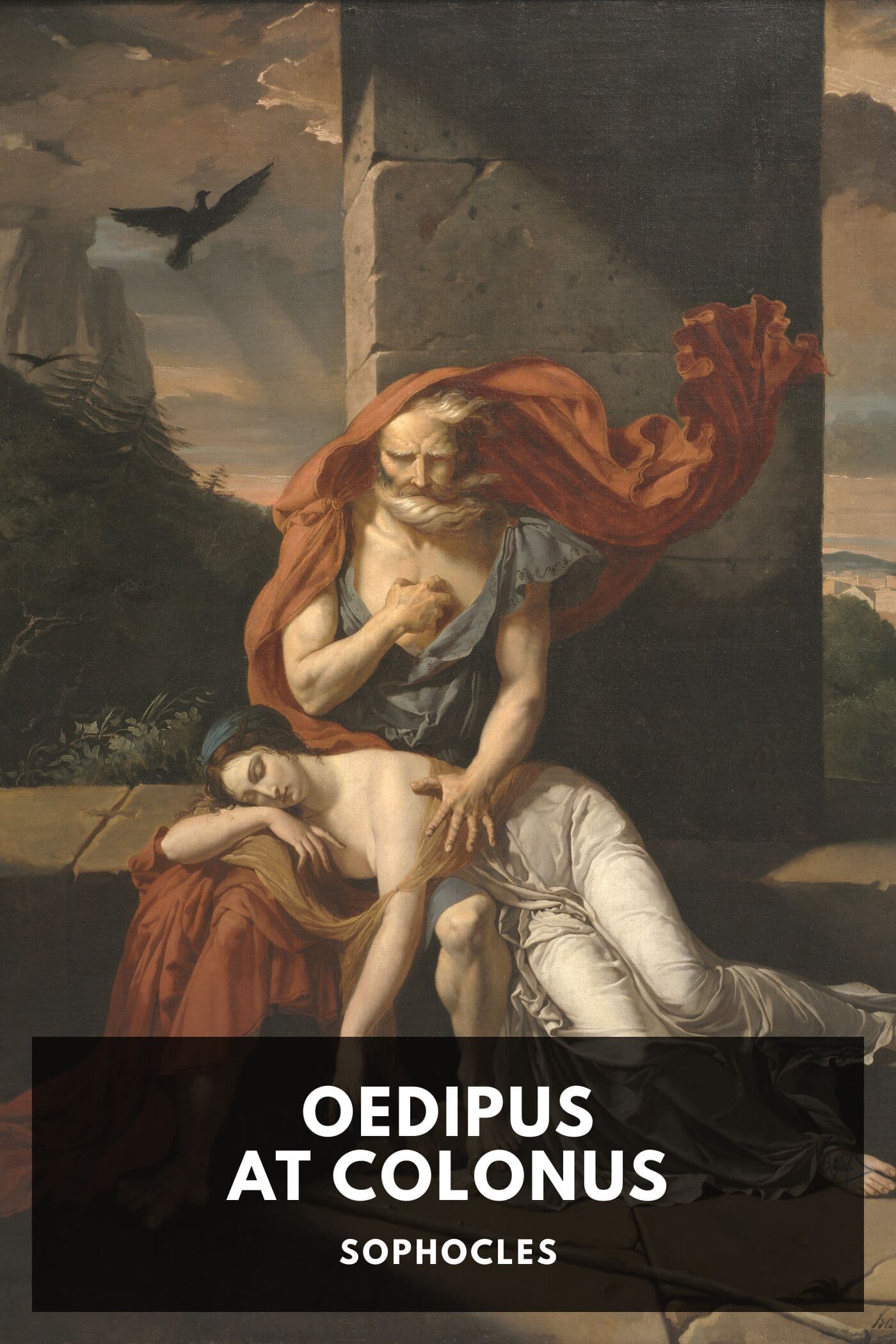
Here is a man who solves the riddle of the Sphinx, who holds a city together as plague-devastated Thebes begs for salvation, who refuses to stop digging for truth even when he knows it will destroy him. This is the story of Oedipus: the king who was destined to kill his father and marry his mother, and who discovers this truth not through prophecy or divine intervention, but through his own relentless intelligence. The plays trace his catastrophic journey from sovereign to blind exile, and then follow his daughter Antigone as she makes an impossible choice between divine law and human authority. These are not comfortable tales of good versus evil. They are examinations of what happens when a man confronts the gap between who he believes himself to be and who the gods know him to be. Sophocles wrote these plays to be performed in open-air theaters for thousands of citizens at a time, and they retain their power to make an audience collectively hold its breath. If you have ever wondered what it costs to know too much, or what duty looks like when it collides with power, these are the stories that asked those questions first.
Editions
X-Ray
“If through no fault of his own the hero is crushed by a bulldozer in Act II, we are not impressed. Even though life is often like this”
— Sophocles
“All men make mistakes.””
— Sophocles
“Of all vile things current on earth, none is so vile as money.””
— Sophocles
“How dreadful it is when the right judge judges wrong!””
— Sophocles
“دانایی گریز از تنهایی است.””
— Sophocles
“And if my present actions strike you as foolish, let's just say I've been accused of folly by a fool.””
— Sophocles
“Sentry: King, may I speak?Creon: Your very voice distresses me.Sentry: Are you sure that it is my voice, and not your conscience?Creon: By God, he wants to analyze me now!Sentry: It is not what I say, but what has been done, that hurts you.Creon: You talk too much.””
— Sophocles
“Your edict, King, was strong,But all your strength is weakness itself againstThe immortal unrecorded laws of God.They are not merely now: they were, and shall be,Operative for ever, beyond man utterly.I knew I must die, even without your decree:I am only mortal. And if I must dieNow, before it is my time to die,Surely this is no hardship: can anyoneLiving, as I live, with evil all about me,Think Death less than a friend?””
— Sophocles
“You are the king no doubt, but in one respect,at least, I am your equal: the right to reply.I claim that privilege too.I am not your slave. I serve Apollo.I don't need Creon to speak for me in public.So,you mock my blindness? Let me tell you this.You with your precious eyes,you're blind to the corruption in your life,to the house you live in, those you live with-who are your parents? Do you know? All unknowingyou are the scourge of your own flesh and blood,the dead below the earth and the living here above,and the double lash of your mother and your father's cursewill whip you from this land one day, their footfalltreading you down in terror, darkness shroudingyour eyes that now can see the light!Soon, soon,you'll scream aloud - what haven won't reverberate?What rock of Cithaeron won't scream back in echo?That day you learn the truth about your marriage,the wedding-march that sang you into your halls,the lusty voyage home to the fatal harbor!And a crowd of other horrors you'd never dreamwill level you with yourself and all your children.There. Now smear us with insults - Creon, myselfand every word I've said. No man will everbe rooted from the earth as brutally as you.””
— Sophocles
Link to this book
Add a free, dofollow link to Lex on your blog, forum, syllabus, or reading list.

<a href="https://lex-books.com/book/plays-of-sophocles-oedipus-the-king-oedipus-at-colonus-antigone-3297c3cd-66e0-40a1-bdf1-e0e1e4fc9450"><img src="https://lex-books.com/badges/read-on-lex.svg" alt="Read Plays of Sophocles: Oedipus the King; Oedipus at Colonus; Antigone by Sophocles free on Lex" width="160" height="40"></a>[](https://lex-books.com/book/plays-of-sophocles-oedipus-the-king-oedipus-at-colonus-antigone-3297c3cd-66e0-40a1-bdf1-e0e1e4fc9450)[url=https://lex-books.com/book/plays-of-sophocles-oedipus-the-king-oedipus-at-colonus-antigone-3297c3cd-66e0-40a1-bdf1-e0e1e4fc9450][img]https://lex-books.com/badges/read-on-lex.svg[/img][/url]Read Plays of Sophocles: Oedipus the King; Oedipus at Colonus; Antigone by Sophocles free on Lex: https://lex-books.com/book/plays-of-sophocles-oedipus-the-king-oedipus-at-colonus-antigone-3297c3cd-66e0-40a1-bdf1-e0e1e4fc9450Cite this book
Reading this edition for a paper or guide? Copy a citation.
Sophocles. Plays of Sophocles: Oedipus the King; Oedipus at Colonus; Antigone. Lex, lex-books.com/book/plays-of-sophocles-oedipus-the-king-oedipus-at-colonus-antigone-3297c3cd-66e0-40a1-bdf1-e0e1e4fc9450.Sophocles (1912). Plays of Sophocles: Oedipus the King; Oedipus at Colonus; Antigone. Lex. https://lex-books.com/book/plays-of-sophocles-oedipus-the-king-oedipus-at-colonus-antigone-3297c3cd-66e0-40a1-bdf1-e0e1e4fc9450Sophocles. Plays of Sophocles: Oedipus the King; Oedipus at Colonus; Antigone. Lex. https://lex-books.com/book/plays-of-sophocles-oedipus-the-king-oedipus-at-colonus-antigone-3297c3cd-66e0-40a1-bdf1-e0e1e4fc9450.