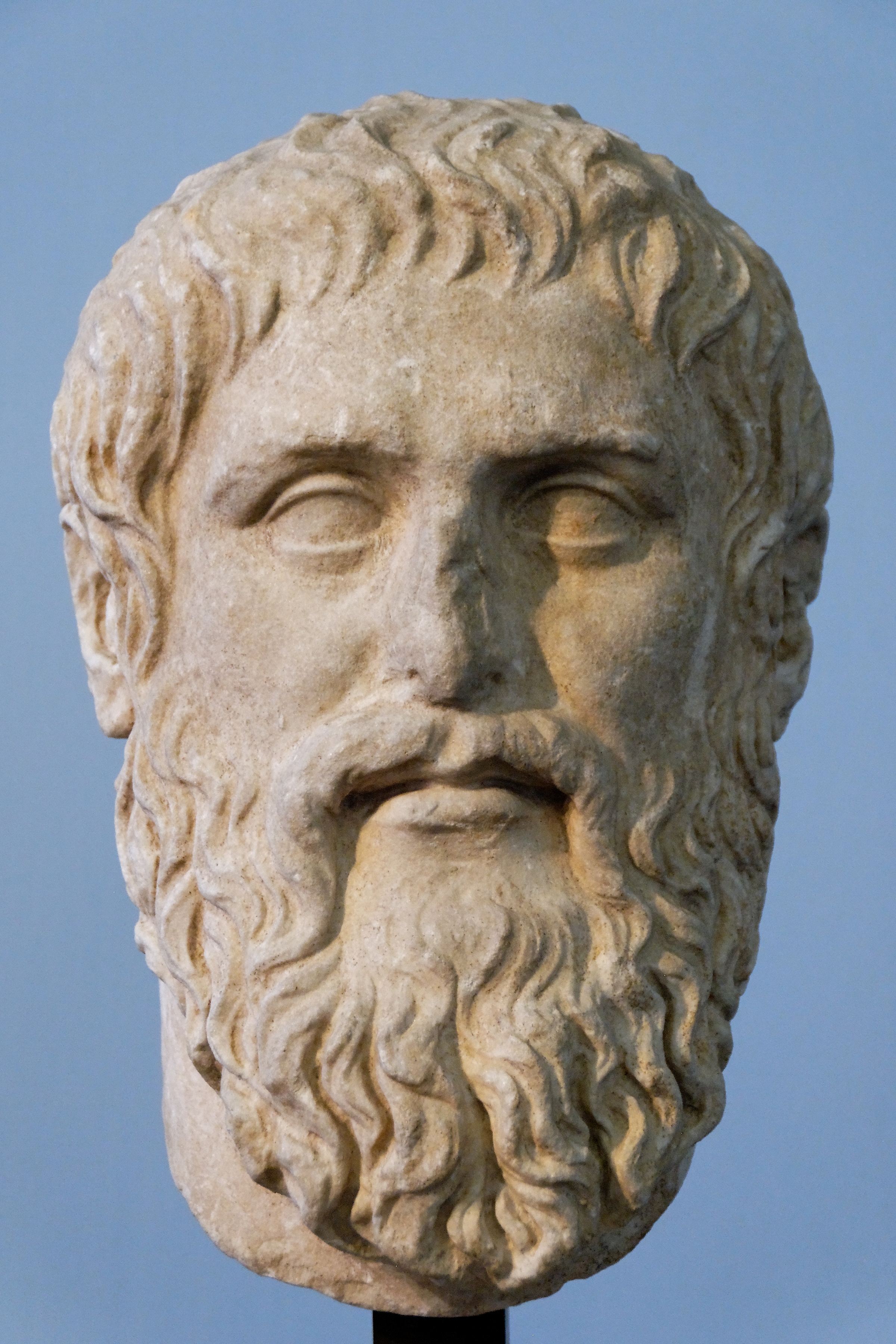
Philebus
1873
What constitutes a life well-lived? In this electrifying philosophical duel, Socrates confronts two young Athenians who have staked everything on a bold claim: pleasure is the highest good. Philebus and Protarchus champion hedonism with the fervor of the newly converted, but Socrates, ever the gadfly, refuses to let them off easy. He dissects pleasure itself, revealing that not all pleasures are created equal - some are pure and noble, others Base and destructive. What begins as a debate about happiness spirals into something far more ambitious: a rigorous taxonomy of existence, a meditation on measure and proportion, and ultimately, a radical proposal that the good life is not about choosing between wisdom and pleasure, but about their proper mixture. The dialogue builds toward an unexpected conclusion: not pleasure, not wisdom, but balance - the calibrated harmony of competing goods - is what makes a human life flourish. Yet the ending remains tantalizingly open, leaving readers to wrestle with questions that have haunted ethical thought for twenty-five centuries.
Editions
X-Ray
“Arts like carpentering, which have an exact measure, are to be regarded as higher than music, which for the most part is mere guess-work.””
— Plato
“The Philebus appears to be one of the later writings of Plato,””
— Plato
Link to this book
Add a free, dofollow link to Lex on your blog, forum, syllabus, or reading list.

<a href="https://lex-books.com/book/philebus-8f63cca4-e802-4c4f-9710-1bba04a003f6"><img src="https://lex-books.com/badges/read-on-lex.svg" alt="Read Philebus by Plato free on Lex" width="160" height="40"></a>[](https://lex-books.com/book/philebus-8f63cca4-e802-4c4f-9710-1bba04a003f6)[url=https://lex-books.com/book/philebus-8f63cca4-e802-4c4f-9710-1bba04a003f6][img]https://lex-books.com/badges/read-on-lex.svg[/img][/url]Read Philebus by Plato free on Lex: https://lex-books.com/book/philebus-8f63cca4-e802-4c4f-9710-1bba04a003f6Cite this book
Reading this edition for a paper or guide? Copy a citation.
Plato. Philebus. Lex, lex-books.com/book/philebus-8f63cca4-e802-4c4f-9710-1bba04a003f6.Plato (1873). Philebus. Lex. https://lex-books.com/book/philebus-8f63cca4-e802-4c4f-9710-1bba04a003f6Plato. Philebus. Lex. https://lex-books.com/book/philebus-8f63cca4-e802-4c4f-9710-1bba04a003f6.