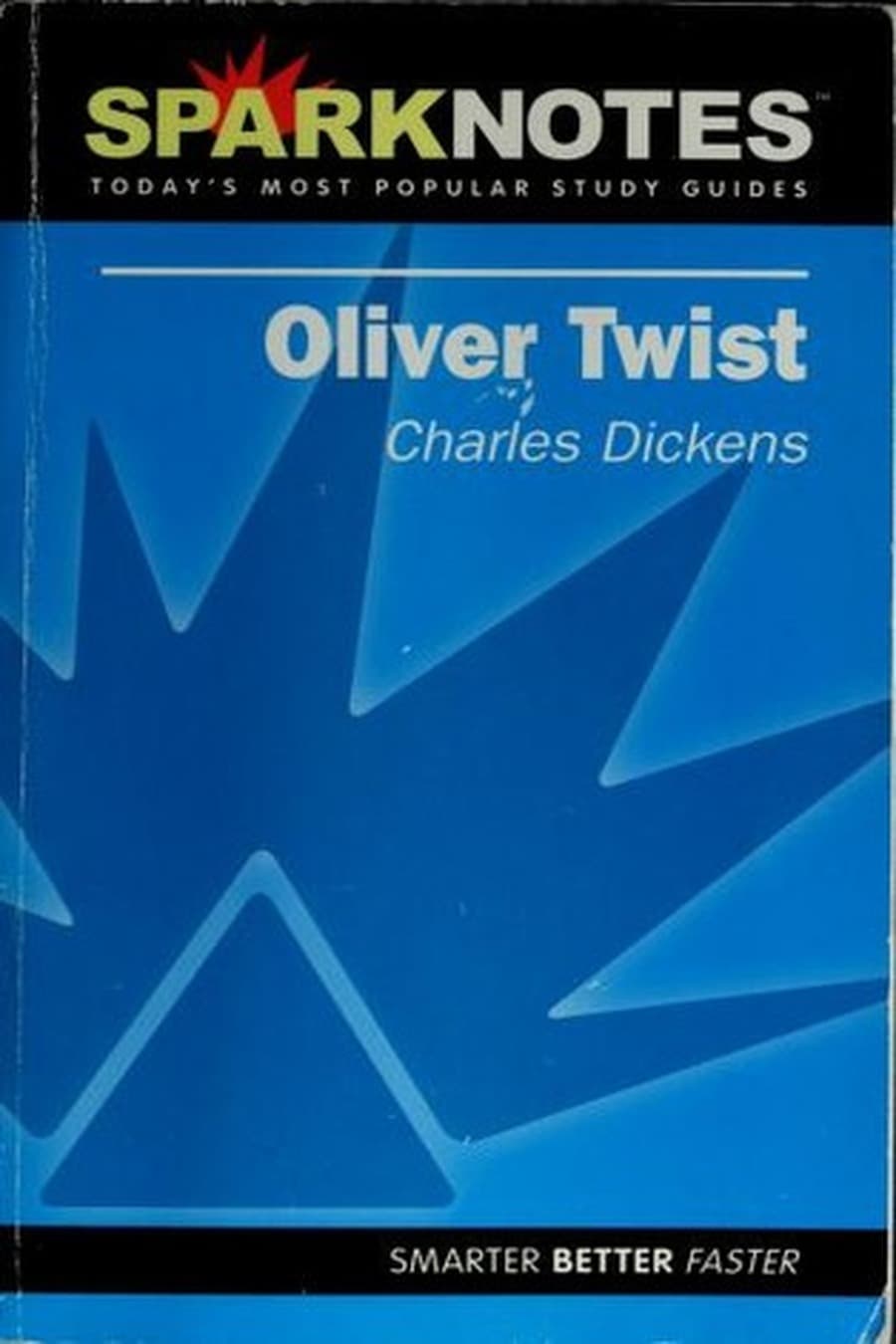
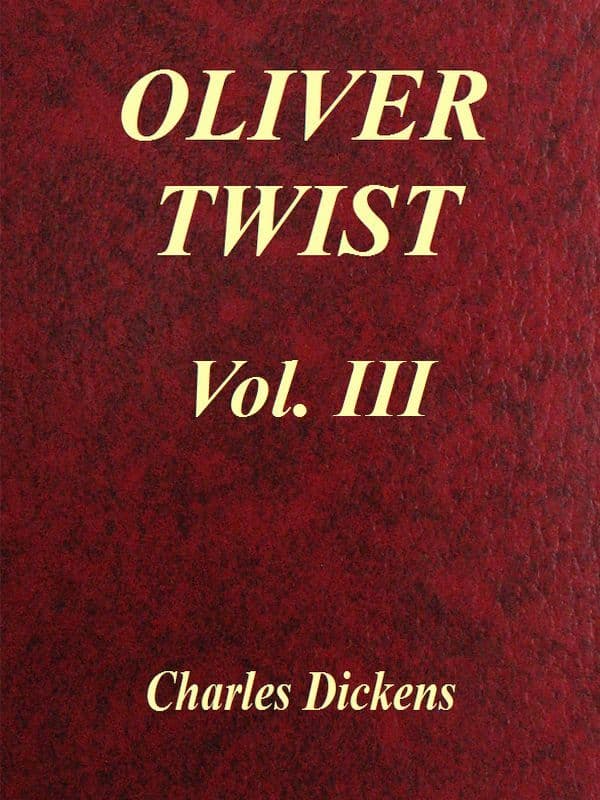
Oliver Twist
1838
In a workhouse where children are fed on bread and gruel, a boy asks for more. That single desperate sentence became one of the most famous moments in English literature, and it still cuts like a blade two centuries later. Oliver Twist is the story of an orphan raised in the brutal parish system of 1830s England, a child who knows nothing of love or comfort, only hunger and hardness. When he dares to speak, he is sold to an undertaker, then escapes to London, where the city offers its own particular kind of damnation: the criminal underworld of Fagin and Bill Sikes, where street children are trained to steal or be destroyed. What makes Dickens' novel endure is not just its indictment of social cruelty, though that愤怒 still resonates. It is the stubborn, almost unbearable innocence of Oliver himself, a boy who remains good in a world designed to make him wicked. The novel pulls no punches in depicting pickpockets, murderers, and the grinding poverty that creates them, yet it refuses to let its readers look away from the children society discards. It is a story about whether goodness can survive when everything conspires against it, and why we must care about the answer.
Editions

X-Ray
“İnsanoğlu eninde sonunda insandır. Onları istediğiniz kadar yükseltin, daha yüksek, daha önemli mevkilere getirin. İpek kaftanlarıyla kokartlı şapkalarını aldığınız zaman eski ağırbaşlılıklarını kaybedecekler ve halk üzerinde eskisi kadar etki kuramayacaklardır.””
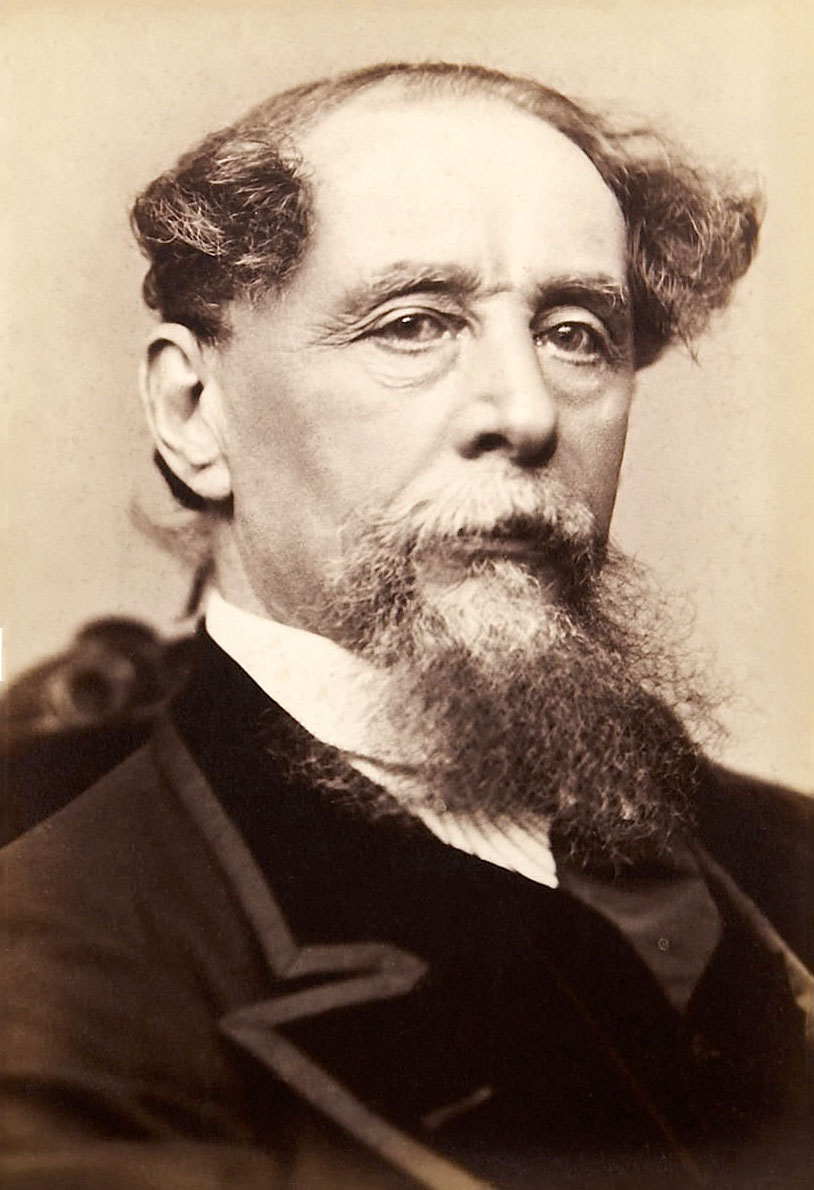
— Charles Dickens
Link to this book
Add a free, dofollow link to Lex on your blog, forum, syllabus, or reading list.

<a href="https://lex-books.com/book/oliver-twist-6f84f54c-5c45-4bfc-9035-f49bbb046974"><img src="https://lex-books.com/badges/read-on-lex.svg" alt="Read Oliver Twist by Charles Dickens free on Lex" width="160" height="40"></a>[](https://lex-books.com/book/oliver-twist-6f84f54c-5c45-4bfc-9035-f49bbb046974)[url=https://lex-books.com/book/oliver-twist-6f84f54c-5c45-4bfc-9035-f49bbb046974][img]https://lex-books.com/badges/read-on-lex.svg[/img][/url]Read Oliver Twist by Charles Dickens free on Lex: https://lex-books.com/book/oliver-twist-6f84f54c-5c45-4bfc-9035-f49bbb046974Cite this book
Reading this edition for a paper or guide? Copy a citation.
Dickens, Charles. Oliver Twist. Lex, lex-books.com/book/oliver-twist-6f84f54c-5c45-4bfc-9035-f49bbb046974.Dickens, C. (1838). Oliver Twist. Lex. https://lex-books.com/book/oliver-twist-6f84f54c-5c45-4bfc-9035-f49bbb046974Dickens, Charles. Oliver Twist. Lex. https://lex-books.com/book/oliver-twist-6f84f54c-5c45-4bfc-9035-f49bbb046974.