New Atlantis
1626
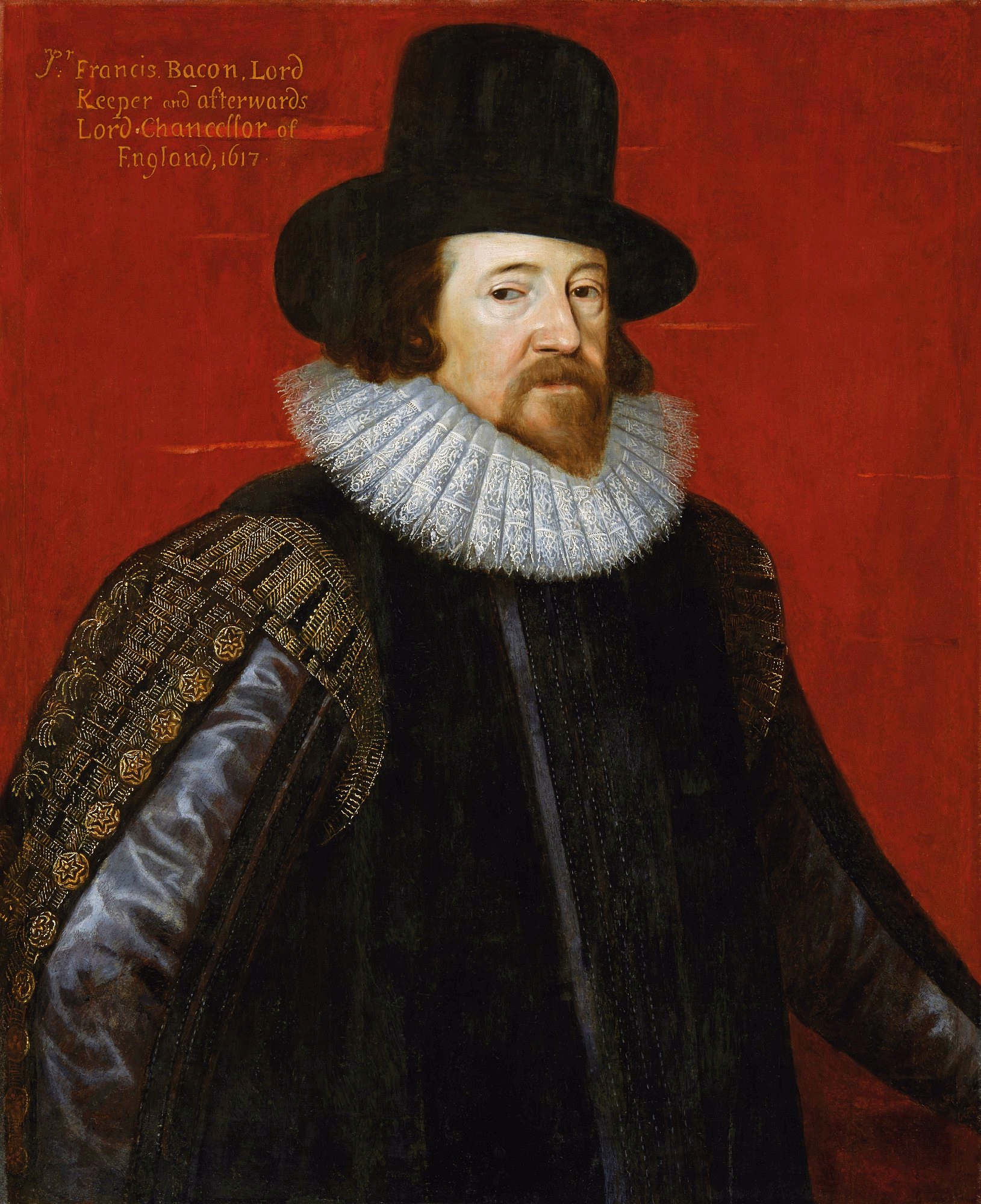
A fragmentary masterpiece that serves as the birth certificate of the modern research university. Written in the 1620s by the man who coined the phrase "knowledge is power," New Atlantis imagines an island where science has become sacred duty. Lost sailors wash up on the shores of Bensalem, a hidden kingdom of extraordinary refinement, where they encounter Solomon's House, an institute dedicated to empirical investigation, experimentation, and the systematic advancement of human knowledge. The inhabitants conduct research that will not exist for another two centuries: controlled experiments, technological innovation, the classification of nature's mysteries. Bacon presents this as the highest expression of civilization: a society that has organized itself around curiosity and the shared pursuit of understanding. The work ends abruptly, leaving the island's full secrets untold. Yet what remains is electrifying, a dream of laboratories and scholars dedicated to illuminating the natural world. This is the origin story of how we came to believe that institutions of inquiry could change everything.
Editions
X-Ray
“We gave ourselves for lost men, and prepared for death. Yet we did lift up our hearts and voices to God above, who "showeth His wonders in the deep"; beseeching Him of His mercy, that as in the beginning He discovered the face of the deep, and brought forth dry land, so He would now discover land to us, that we might not perish.””
— Francis Bacon
“But when men have at hand a remedy more agreeable to their corrupt will, marriage is almost expulsed. And therefore there are with you seen infinite men that marry not, but chose rather a libertine and impure single life, than to be yoked in marriage; and many that do marry, marry late, when the prime and strength of their years is past. And when they do marry, what is marriage to them but a very bargain; wherein is sought alliance, or portion, or reputation, with some desire (almost indifferent) of issue; and not the faithful nuptial union of man and wife, that was first instituted.””
— Francis Bacon
“Hacia el Este, la navegación por las aguas de Egipto y Palestina era, igualmente, intensa. También China y la Gran Atlántida (que ustedes llaman América), que ahora sólo cuentan con juncos y canoas, abundaba en grandes embarcaciones. Esta””
— Francis Bacon
Link to this book
Add a free, dofollow link to Lex on your blog, forum, syllabus, or reading list.

<a href="https://lex-books.com/book/new-atlantis-d7e2f6ee-27c6-4e90-b7ee-2a1d88b65707"><img src="https://lex-books.com/badges/read-on-lex.svg" alt="Read New Atlantis by Francis Bacon free on Lex" width="160" height="40"></a>[](https://lex-books.com/book/new-atlantis-d7e2f6ee-27c6-4e90-b7ee-2a1d88b65707)[url=https://lex-books.com/book/new-atlantis-d7e2f6ee-27c6-4e90-b7ee-2a1d88b65707][img]https://lex-books.com/badges/read-on-lex.svg[/img][/url]Read New Atlantis by Francis Bacon free on Lex: https://lex-books.com/book/new-atlantis-d7e2f6ee-27c6-4e90-b7ee-2a1d88b65707Cite this book
Reading this edition for a paper or guide? Copy a citation.
Bacon, Francis. New Atlantis. Lex, lex-books.com/book/new-atlantis-d7e2f6ee-27c6-4e90-b7ee-2a1d88b65707.Bacon, F. (1626). New Atlantis. Lex. https://lex-books.com/book/new-atlantis-d7e2f6ee-27c6-4e90-b7ee-2a1d88b65707Bacon, Francis. New Atlantis. Lex. https://lex-books.com/book/new-atlantis-d7e2f6ee-27c6-4e90-b7ee-2a1d88b65707.