Lysistrata
1961
Lysistrata
1961
Translated by Jack Lindsay
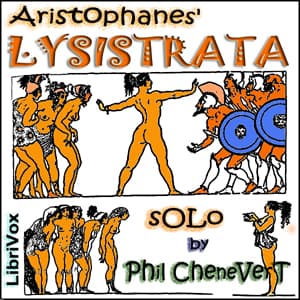
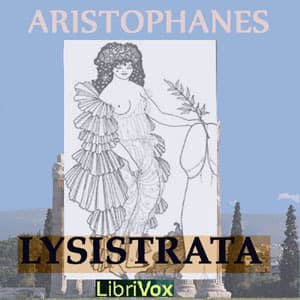
In 411 BC, Aristophanes wrote the most radical comedy in Western theatre: women withholding sex until men end their war. Lysistrata, the title heroine, persuades women from Athens and Sparta to take a solemn oath of abstinence until peace is negotiated. What follows is a uproarious battle of the sexes, with men growing desperate, women holding the Acropolis, and the entire Greek world turned upside down. The play is bawdy, cunning, and viciously smart. It asks a simple question that still cuts: why do men wage wars that women and children suffer from? The comedy lands because Aristophanes understands that desire, humor, and politics are inseparable. Nearly 2,500 years later, Lysistrata still has the power to make you laugh, squirm, and wonder why the most obvious political truths still go unsaid.
Editions
X-Ray
“[Y]ou [man] are fool enough, it seems, to dare to war with [woman=] me, when for your faithful ally you might win me easily.””
— Aristophanes
“What matters that I was born a woman, if I can cure your misfortunes? I pay my share of tolls and taxes, by giving men to the State. But you, you miserable greybeards, you contribute nothing to the public charges; on the contrary, you have wasted the treasure of our forefathers, as it was called, the treasure amassed in the days of the Persian Wars. You pay nothing at all in return; and into the bargain you endanger our lives and liberties by your mistakes. Have you one word to say for yourselves?... Ah! don't irritate me, you there, or I'll lay my slipper across your jaws; and it's pretty heavy.””
— Aristophanes
“There is no beast, no rush of fire, like woman so untamed. She calmly goes her way where even panthers would be shamed.””
— Aristophanes
“Magistrate: May I die a thousand deaths ere I obey one who wears a veil!Lysistrata: If that's all that troubles you, here take my veil, wrap it round your head, and hold your tounge. Then take this basket; put on a girdle, card wool, munch beans. The War shall be women's business.””
— Aristophanes
“Magistrate: What do you propose to do then, pray?Lysistrata: You ask me that! Why, we propose to administer the treasury ourselvesMagistrate: You do?Lysistrata: What is there in that a surprise to you? Do we not administer the budget of household expenses?Magistrate: But that is not the same thing.Lysistrata: How so – not the same thing?Magistrate: It is the treasury supplies the expenses of the War.Lysistrata: That's our first principle – no War!””
— Aristophanes
“Calonice: My dear Lysistrata, just what is this matter you've summoned us women to consider.What's up? Something big?Lysistrata: Very big.Calonice: (interested) Is it stout too?Lysistrata: (smiling) Yes, indeed -- both big and stout.Calonice: What? And the women still haven't come?Lysistrata: It's not what you suppose; they'd come soon enough for that.””
— Aristophanes
“Chorus of old men: How true the saying: 'Tis impossible to live with the baggages, impossible to live without 'em.””
— Aristophanes
“Lysistrata: To seize the treasury; no more money, no more war.””
— Aristophanes
“MAGISTRATEDon't men grow old?LYSISTRATANot like women. When a man comes homeThough he's grey as grief he can always get a girl.There's no second spring for a woman. None.She can't recall it, nobody wants her, howeverShe squanders her time on the promise of oracles,It's no use...””
— Aristophanes
Link to this book
Add a free, dofollow link to Lex on your blog, forum, syllabus, or reading list.

<a href="https://lex-books.com/book/lysistrata-6fbc77f7-00e9-40f2-9583-5921f47f6349"><img src="https://lex-books.com/badges/read-on-lex.svg" alt="Read Lysistrata by Aristophanes free on Lex" width="160" height="40"></a>[](https://lex-books.com/book/lysistrata-6fbc77f7-00e9-40f2-9583-5921f47f6349)[url=https://lex-books.com/book/lysistrata-6fbc77f7-00e9-40f2-9583-5921f47f6349][img]https://lex-books.com/badges/read-on-lex.svg[/img][/url]Read Lysistrata by Aristophanes free on Lex: https://lex-books.com/book/lysistrata-6fbc77f7-00e9-40f2-9583-5921f47f6349Cite this book
Reading this edition for a paper or guide? Copy a citation.
Aristophanes. Lysistrata. Lex, lex-books.com/book/lysistrata-6fbc77f7-00e9-40f2-9583-5921f47f6349.Aristophanes (1961). Lysistrata. Lex. https://lex-books.com/book/lysistrata-6fbc77f7-00e9-40f2-9583-5921f47f6349Aristophanes. Lysistrata. Lex. https://lex-books.com/book/lysistrata-6fbc77f7-00e9-40f2-9583-5921f47f6349.