Lysistrata
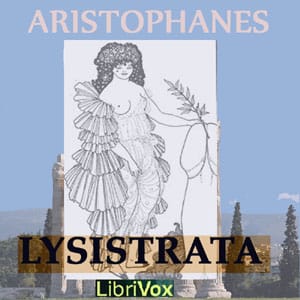
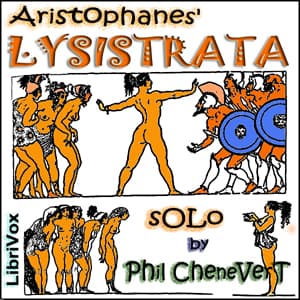
In 411 BCE, Aristophanes staged a scandal: what if women ruled through the most ancient weapon? Lysistrata, a sharp-tongued Athenian, rallies the women of Greece to abandon their beds until the men end the ruinous Peloponnesian War. The result is a riotous assault on the conventions of gender, power, and persuasion. The comedy piles absurdity upon absurdity as men grow desperate, envoys fail to negotiate while distracted by desire, and Lysistrata commandeers the Acropolis itself. Yet beneath the phallic jokes and risqué wordplay lies a pointed critique of masculine violence and the political folly of endless war. Aristophanes gives voice to women who are tired of burying husbands and sons, who demand to be heard not as property but as power. Nearly 2,500 years later, Lysistrata remains explosively relevant: a play about strike action, political leverage, and the radical notion that women's bodies might be their own to withhold.
Editions


Link to this book
Add a free, dofollow link to Lex on your blog, forum, syllabus, or reading list.

<a href="https://lex-books.com/book/lysistrata-6dae5e56-f951-4647-aa0c-4f2899eff93c"><img src="https://lex-books.com/badges/read-on-lex.svg" alt="Read Lysistrata by Aristophanes free on Lex" width="160" height="40"></a>[](https://lex-books.com/book/lysistrata-6dae5e56-f951-4647-aa0c-4f2899eff93c)[url=https://lex-books.com/book/lysistrata-6dae5e56-f951-4647-aa0c-4f2899eff93c][img]https://lex-books.com/badges/read-on-lex.svg[/img][/url]Read Lysistrata by Aristophanes free on Lex: https://lex-books.com/book/lysistrata-6dae5e56-f951-4647-aa0c-4f2899eff93cCite this book
Reading this edition for a paper or guide? Copy a citation.
Aristophanes. Lysistrata. Lex, lex-books.com/book/lysistrata-6dae5e56-f951-4647-aa0c-4f2899eff93c.Aristophanes (n.d.). Lysistrata. Lex. https://lex-books.com/book/lysistrata-6dae5e56-f951-4647-aa0c-4f2899eff93cAristophanes. Lysistrata. Lex. https://lex-books.com/book/lysistrata-6dae5e56-f951-4647-aa0c-4f2899eff93c.