Little Dorrit (Version 2)

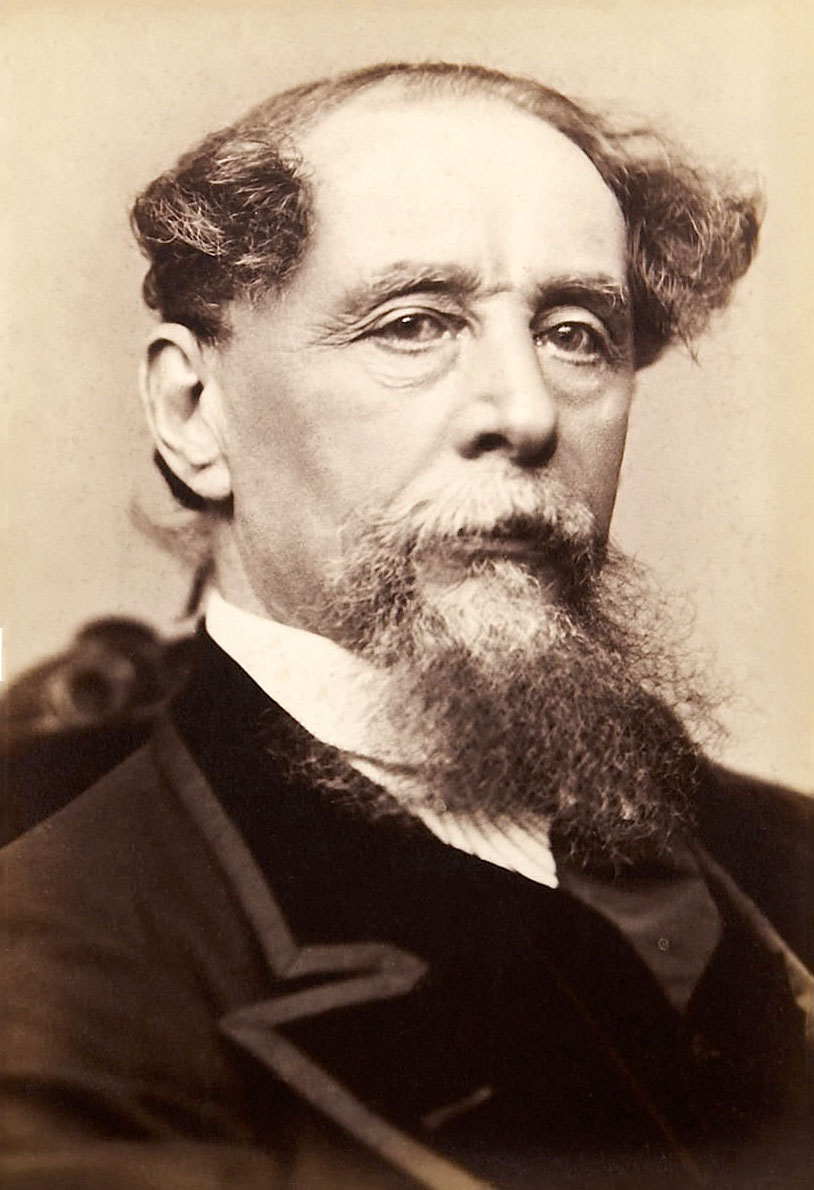
Little Dorrit was born in a debtors' prison. Her father has languished in the Marshalsea so long that fellow inmates call him Father of the Marshalsea, and Amy knows no world beyond its walls. She tends to him with quiet devotion while ministering to other prisoners, a tiny woman whose mere presence seems to soften the brutal logic of confinement. When Arthur Clennam enters her orbit, seeking meaning in his own stagnant life, he finds something far more precious: a human being who has extracted dignity from the most degrading circumstances Dickens could imagine. Dickens wrote from personal wound. His own father spent months in Marshalsea for debt, and the novel bleeds that childhood memory into something larger: a portrait of how society builds prisons not just of stone, but of economic cruelty and moral blindness. Yet this is no mere polemic. The novel crackles with Dickens' signature comedy, his unforgettable secondary characters, and his belief that one small, steadfast heart can expose the hollowness of an entire world. It endures because it asks what we still struggle to answer: what do we owe those whom fortune has discarded?
Editions


Link to this book
Add a free, dofollow link to Lex on your blog, forum, syllabus, or reading list.

<a href="https://lex-books.com/book/little-dorrit-version-2-3d445b98-8572-4968-8e5b-6be8c38234cc"><img src="https://lex-books.com/badges/read-on-lex.svg" alt="Read Little Dorrit (Version 2) by Charles Dickens free on Lex" width="160" height="40"></a>[](https://lex-books.com/book/little-dorrit-version-2-3d445b98-8572-4968-8e5b-6be8c38234cc)[url=https://lex-books.com/book/little-dorrit-version-2-3d445b98-8572-4968-8e5b-6be8c38234cc][img]https://lex-books.com/badges/read-on-lex.svg[/img][/url]Read Little Dorrit (Version 2) by Charles Dickens free on Lex: https://lex-books.com/book/little-dorrit-version-2-3d445b98-8572-4968-8e5b-6be8c38234ccCite this book
Reading this edition for a paper or guide? Copy a citation.
Dickens, Charles. Little Dorrit (Version 2). Lex, lex-books.com/book/little-dorrit-version-2-3d445b98-8572-4968-8e5b-6be8c38234cc.Dickens, C. (n.d.). Little Dorrit (Version 2). Lex. https://lex-books.com/book/little-dorrit-version-2-3d445b98-8572-4968-8e5b-6be8c38234ccDickens, Charles. Little Dorrit (Version 2). Lex. https://lex-books.com/book/little-dorrit-version-2-3d445b98-8572-4968-8e5b-6be8c38234cc.