Hippolytus; the Bacchae
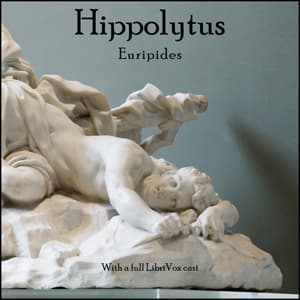
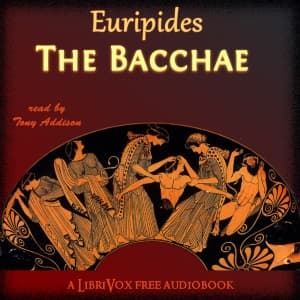
Two of Euripides' most electrifying tragedies, written in blood and desire. In Hippolytus, a young man who swears off love and dedicates himself to chaste Artemis finds himself destroyed by the very goddess of love he spurned. When Aphrodite engineers his downfall, his stepmother Phaedra becomes an instrument of divine vengeance, and when her forbidden passion is rejected, her lies prove more lethal than any warrior's spear. The Bacchae delivers something even darker: Dionysus returns to Thebes not to heal his mother's legacy but to punish those who denied it. What unfolds is civilization's nightmare made flesh, as women driven to ecstatic frenzy tear apart their king, and the god of wine and madness watches impassively from the audience. These plays crack open the ancient myth that men are the architects of fate. Euripides shows us humans as playthings of jealous gods, their greatest virtues weaponized against them, their most private passions becoming public catastrophes. For readers who want tragedy that doesn't flinch, that finds horror in divine caprice and beauty in destruction.
Editions
X-Ray
“The fiercest anger of all, the most incurable,Is that which rages in the place of dearest love.””
— Euripides
“Let no one think of me that I am humble or weak or passive; let them understand I am of a different kind: dangerous to my enemies, loyal to my friends. To such a life glory belongs.””
— Euripides
“Arm yourself, my heart: the thing that you must do is fearful, yet inevitable.””
— Euripides
“Surely, of all creatures that have life and will, we women are the most wretched. When, for an extravagant sum, we have bought a husband, we must then accept him as possessor of our body.””
— Euripides
“O Zeus, why is it you have given men clear ways of testing whether gold is counterfeit but, when it comes to men, the body carries no stamp of nature for distinguishing bad from good.””
— Euripides
“Ruthless is the temper of royalty; How much better to live among the equals.Let me decline in a safe old age. The very name of the "middle way".””
— Euripides
“To me, a wicked man who is also eloquent seems the most guilty of them all. He´ll cut your throat as bold as brass, because he knows he can dress up murder in handsome words.””
— Euripides
“If women didn't exist, human life would be rid of all its miseries.””
— Euripides
“Give me your hand; I'll hold you....Then wipe off on me all your uncleanness, all; I do not shrink from it.””
— Euripides
Link to this book
Add a free, dofollow link to Lex on your blog, forum, syllabus, or reading list.

<a href="https://lex-books.com/book/hippolytus-the-bacchae-df6540e6-db21-4ec1-bb89-ca64442c5e01"><img src="https://lex-books.com/badges/read-on-lex.svg" alt="Read Hippolytus; the Bacchae by Euripides free on Lex" width="160" height="40"></a>[](https://lex-books.com/book/hippolytus-the-bacchae-df6540e6-db21-4ec1-bb89-ca64442c5e01)[url=https://lex-books.com/book/hippolytus-the-bacchae-df6540e6-db21-4ec1-bb89-ca64442c5e01][img]https://lex-books.com/badges/read-on-lex.svg[/img][/url]Read Hippolytus; the Bacchae by Euripides free on Lex: https://lex-books.com/book/hippolytus-the-bacchae-df6540e6-db21-4ec1-bb89-ca64442c5e01Cite this book
Reading this edition for a paper or guide? Copy a citation.
Euripides. Hippolytus; the Bacchae. Lex, lex-books.com/book/hippolytus-the-bacchae-df6540e6-db21-4ec1-bb89-ca64442c5e01.Euripides (n.d.). Hippolytus; the Bacchae. Lex. https://lex-books.com/book/hippolytus-the-bacchae-df6540e6-db21-4ec1-bb89-ca64442c5e01Euripides. Hippolytus; the Bacchae. Lex. https://lex-books.com/book/hippolytus-the-bacchae-df6540e6-db21-4ec1-bb89-ca64442c5e01.