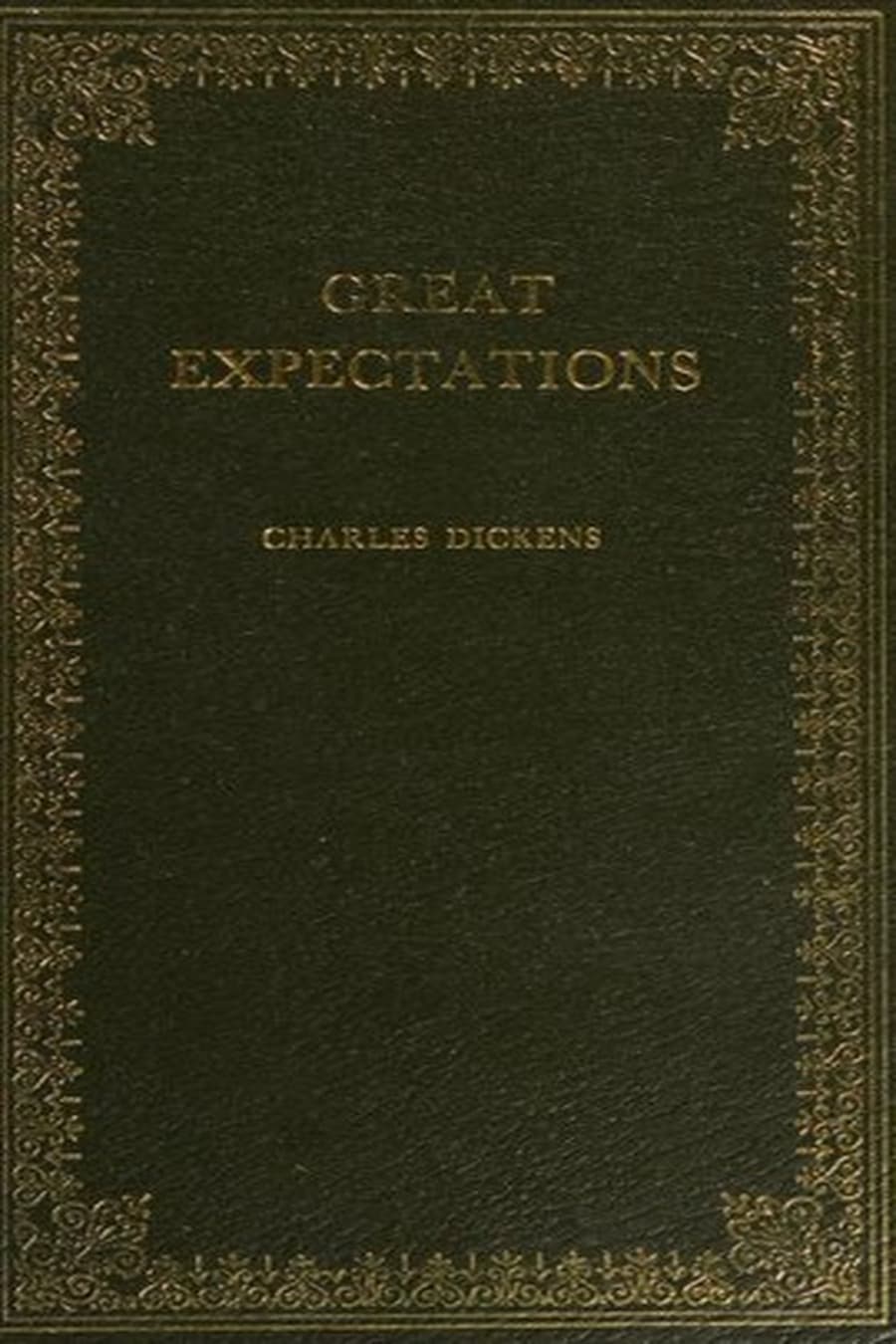
Great Expectations
1861
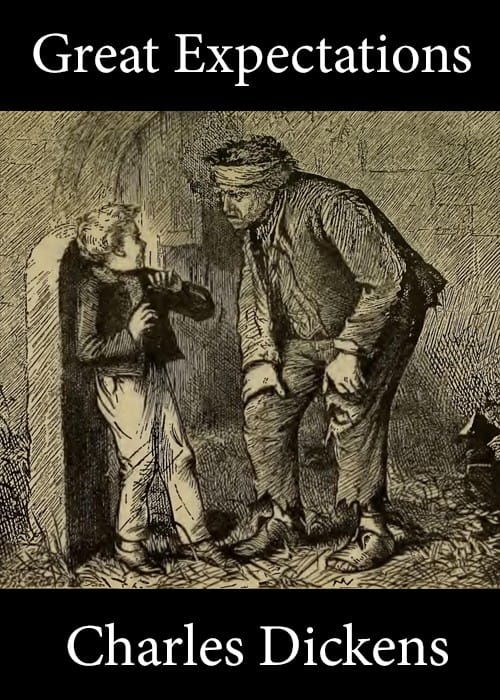
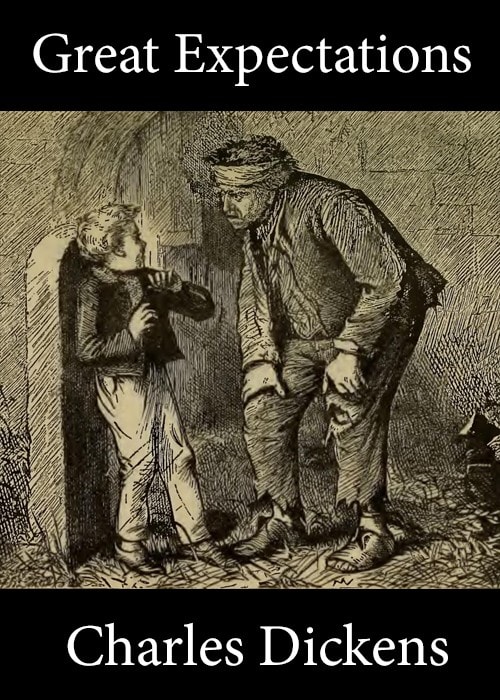
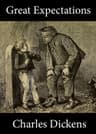
A terrified orphan boy in a graveyard, confronted by an escaped convict who will reshape his entire existence. This is how Dickens launches his masterpiece, a novel that follows Pip from the bleak Kent marshes to the glittering streets of London, from poverty to wealth, from childhood to adulthood, always chasing the shadow of a mysterious benefactor and the cold beauty who haunts his heart. The novel pulses with dark ambition, class cruelty, and the question of what we owe to those who shape us before we know them. Pip's 'great expectations' lead him from ruin toward a harder wisdom: that true gentility lies not in money or status but in recognizing those who loved us when we were nothing.
Editions

X-Ray
An orphan boy raised by his older sister and her husband, Joe Gargery, who dreams of rising above his humble origins to become a gentleman.
About Great Expectations
Chapter Summaries
- 1
- Pip, an orphan, describes his early life in the marsh country and his deceased family. He encounters an escaped convict in the churchyard who threatens him and demands a file and food.
- 2
- Pip returns home, terrified of the convict and his sister, Mrs. Joe, who raises him 'by hand' (often with physical discipline). He steals food and a file from the pantry and forge for the convict, feeling immense guilt.
- 3
- Pip delivers the stolen items to the convict on the marshes. He encounters a second, bruised convict who fights with the first, and Pip escapes back home, deeply shaken.
Key Themes
- Social Class and Ambition
- The novel deeply explores Pip's journey from a humble blacksmith's apprentice to a gentleman, highlighting the allure and pitfalls of social mobility. It critiques the superficiality of class distinctions and the moral compromises often made in pursuit of upward social standing, showing how Pip's ambition alienates him from his true friends and values.
- Guilt and Conscience
- Pip is constantly plagued by guilt, first over stealing for the convict, then over his lies about Miss Havisham's house, and later by his ingratitude towards Joe and Biddy. This theme emphasizes the psychological burden of secrets and misdeeds, and how one's conscience can be a powerful, often self-inflicted, punishment.
- Justice and Injustice
- The legal system and its representatives (Jaggers, Wemmick) are depicted with a cynical realism, showing justice as often arbitrary and influenced by power. The convicts' plight and Miss Havisham's personal quest for revenge highlight the deeply personal and often flawed nature of perceived justice and retribution.
Characters
- Pip(protagonist)
- An orphan boy raised by his older sister and her husband, Joe Gargery, who dreams of rising above his humble origins to become a gentleman.
Link to this book
Add a free, dofollow link to Lex on your blog, forum, syllabus, or reading list.

<a href="https://lex-books.com/book/great-expectations-31a4e146-de45-42a0-8ddc-c9ffb8d1ea9f"><img src="https://lex-books.com/badges/read-on-lex.svg" alt="Read Great Expectations by Charles Dickens free on Lex" width="160" height="40"></a>[](https://lex-books.com/book/great-expectations-31a4e146-de45-42a0-8ddc-c9ffb8d1ea9f)[url=https://lex-books.com/book/great-expectations-31a4e146-de45-42a0-8ddc-c9ffb8d1ea9f][img]https://lex-books.com/badges/read-on-lex.svg[/img][/url]Read Great Expectations by Charles Dickens free on Lex: https://lex-books.com/book/great-expectations-31a4e146-de45-42a0-8ddc-c9ffb8d1ea9fCite this book
Reading this edition for a paper or guide? Copy a citation.
Dickens, Charles. Great Expectations. Lex, lex-books.com/book/great-expectations-31a4e146-de45-42a0-8ddc-c9ffb8d1ea9f.Dickens, C. (1861). Great Expectations. Lex. https://lex-books.com/book/great-expectations-31a4e146-de45-42a0-8ddc-c9ffb8d1ea9fDickens, Charles. Great Expectations. Lex. https://lex-books.com/book/great-expectations-31a4e146-de45-42a0-8ddc-c9ffb8d1ea9f.