Frankenstein; Or, The Modern Prometheus
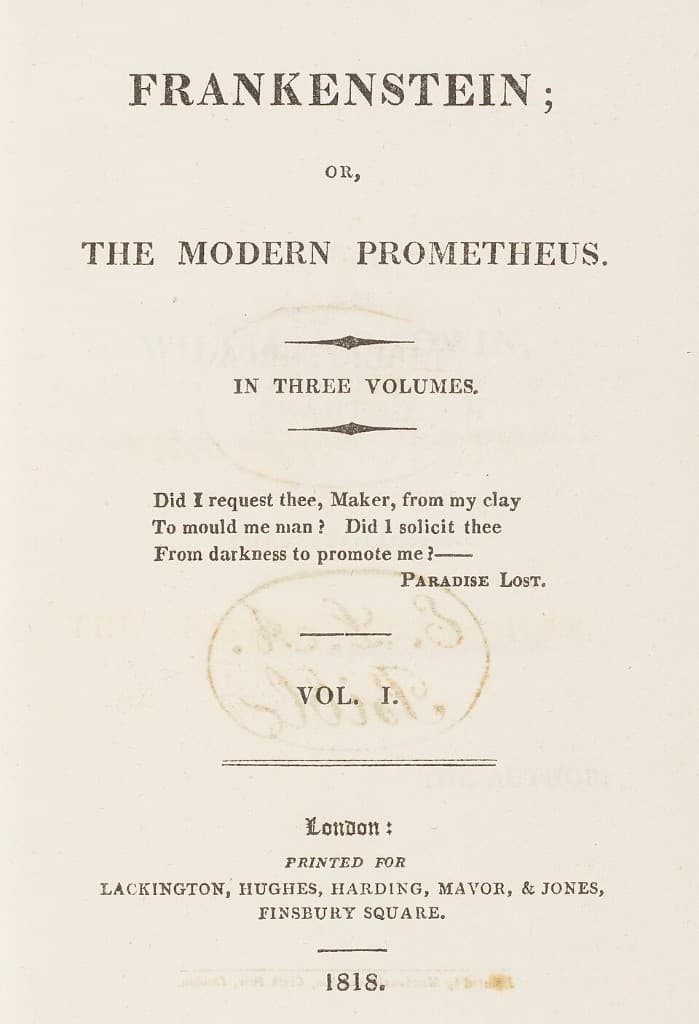
1818

Frankenstein; Or, The Modern Prometheus
1818
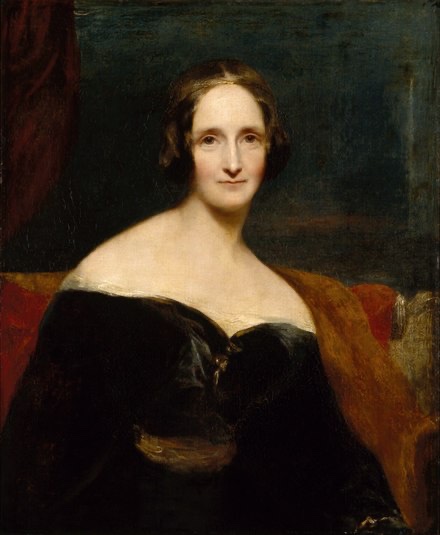
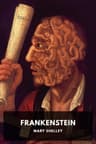
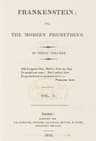
At eighteen, Mary Shelley imagined a monster. What she created was something far more unsettling: a mirror. Victor Frankenstein builds a creature from stolen graves and galvanic spark, then recoils from his own creation in horror. The creature, intelligent and aching for connection, is met only with rejection. He learns language, reads Milton, and comes to understand his own monstrousness through the very texts that tell him what it means to be human. What follows is a cascading tragedy of fathers and children, creators and created, as Victor's pursuit of glory destroys everyone he loves while the creature he abandons becomes the true image of his soul. The novel unfolds through letters within letters: Walton Arctic-bound writes to his sister, Victor tells his tale to Walton, and even the creature demands his say. Shelley wrote this in 1818 when she was barely grown, yet she understood something most never grasp: the real horror is not the thing we make, but our refusal to love it.
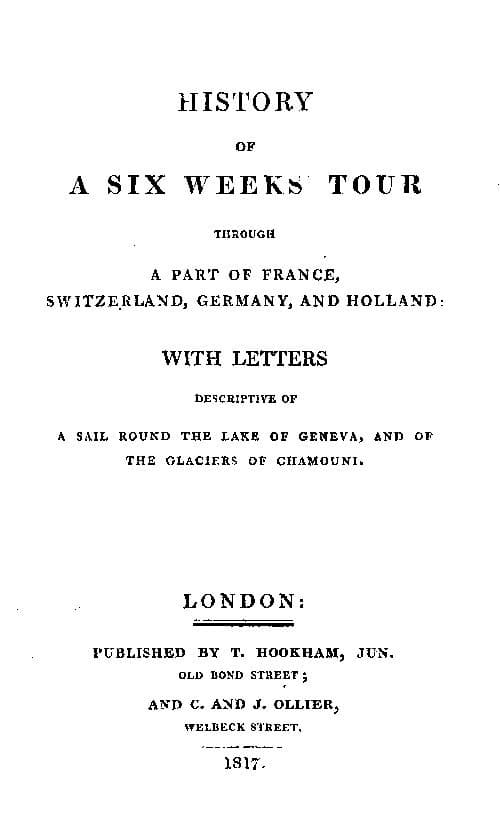
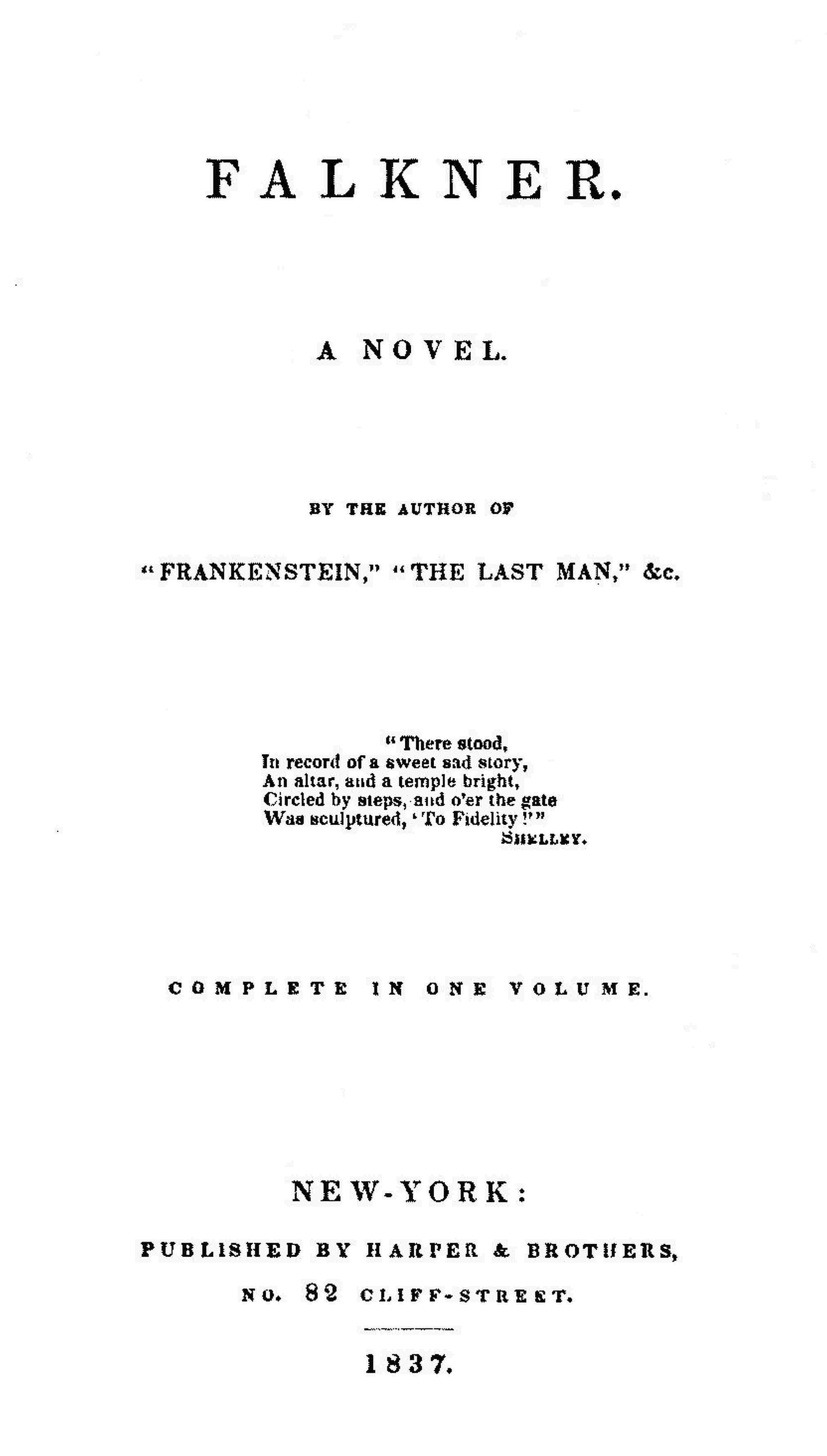
Editions

X-Ray
A brilliant but ambitious scientist who creates a sentient being, then abandons it, leading to tragic consequences.
Victor Frankenstein's creation, a sentient being who turns vengeful after being rejected and ostracized by humanity.
An Arctic explorer who encounters Victor Frankenstein and becomes the recipient of his tragic tale, serving as the novel's frame narrator.
Victor's adopted cousin and beloved fiancée, a symbol of domestic affection and purity, who becomes a victim of the Creature's revenge.
About Frankenstein; Or, The Modern Prometheus
Chapter Summaries
- 1
- Robert Walton, an English explorer, writes to his sister Margaret Saville from St. Petersburgh, expressing his excitement and ambition for his Arctic voyage of discovery, despite her forebodings.
- 2
- Walton writes from Archangel, lamenting his loneliness and desire for a true friend who can sympathize with his intellectual pursuits. He describes his lieutenant and master, highlighting their admirable qualities but noting their lack of intellectual companionship.
- 3
- Walton sends a brief letter from a high latitude, reporting good progress and spirits among his crew, despite the increasing ice. He reassures his sister of his prudence and perseverance.
Key Themes
- Dangerous Knowledge and Unchecked Ambition
- Victor's relentless pursuit of the secret of life, driven by an insatiable ambition to transcend human limits, leads to catastrophic results. The novel warns against scientific endeavors that disregard ethical implications and the potential for profound suffering.
- Isolation and Loneliness
- Both Victor and the Creature experience profound isolation. Victor isolates himself through his obsessive work and subsequent guilt, while the Creature is ostracized by all humanity due to his appearance, driving him to despair and malice.
- Prejudice and Appearance vs. Reality
- The Creature's hideous physical appearance immediately elicits fear and hatred from everyone he encounters, preventing them from seeing his initial benevolence or understanding his suffering. This highlights society's superficiality and its devastating impact on those deemed 'other'.
Characters
- Victor Frankenstein(protagonist)
- A brilliant but ambitious scientist who creates a sentient being, then abandons it, leading to tragic consequences.
- The Creature(antagonist)
- Victor Frankenstein's creation, a sentient being who turns vengeful after being rejected and ostracized by humanity.
- Robert Walton(supporting)
- An Arctic explorer who encounters Victor Frankenstein and becomes the recipient of his tragic tale, serving as the novel's frame narrator.
- Elizabeth Lavenza(supporting)
- Victor's adopted cousin and beloved fiancée, a symbol of domestic affection and purity, who becomes a victim of the Creature's revenge.
- Henry Clerval(supporting)
- Victor's kind and imaginative childhood friend, who accompanies him on his travels and nurses him through illness, only to become another victim of the Creature.
- Alphonse Frankenstein(supporting)
- Victor's compassionate and respected father, who endures immense grief from the deaths of his family members.
Link to this book
Add a free, dofollow link to Lex on your blog, forum, syllabus, or reading list.

<a href="https://lex-books.com/book/frankenstein-or-the-modern-prometheus-3071e2c0-054d-4c90-8013-412830664ebf"><img src="https://lex-books.com/badges/read-on-lex.svg" alt="Read Frankenstein; Or, The Modern Prometheus by Mary Wollstonecraft Shelley free on Lex" width="160" height="40"></a>[](https://lex-books.com/book/frankenstein-or-the-modern-prometheus-3071e2c0-054d-4c90-8013-412830664ebf)[url=https://lex-books.com/book/frankenstein-or-the-modern-prometheus-3071e2c0-054d-4c90-8013-412830664ebf][img]https://lex-books.com/badges/read-on-lex.svg[/img][/url]Read Frankenstein; Or, The Modern Prometheus by Mary Wollstonecraft Shelley free on Lex: https://lex-books.com/book/frankenstein-or-the-modern-prometheus-3071e2c0-054d-4c90-8013-412830664ebfCite this book
Reading this edition for a paper or guide? Copy a citation.
Shelley, Mary Wollstonecraft. Frankenstein; Or, The Modern Prometheus. Lex, lex-books.com/book/frankenstein-or-the-modern-prometheus-3071e2c0-054d-4c90-8013-412830664ebf.Shelley, M. W. (1818). Frankenstein; Or, The Modern Prometheus. Lex. https://lex-books.com/book/frankenstein-or-the-modern-prometheus-3071e2c0-054d-4c90-8013-412830664ebfShelley, Mary Wollstonecraft. Frankenstein; Or, The Modern Prometheus. Lex. https://lex-books.com/book/frankenstein-or-the-modern-prometheus-3071e2c0-054d-4c90-8013-412830664ebf.